
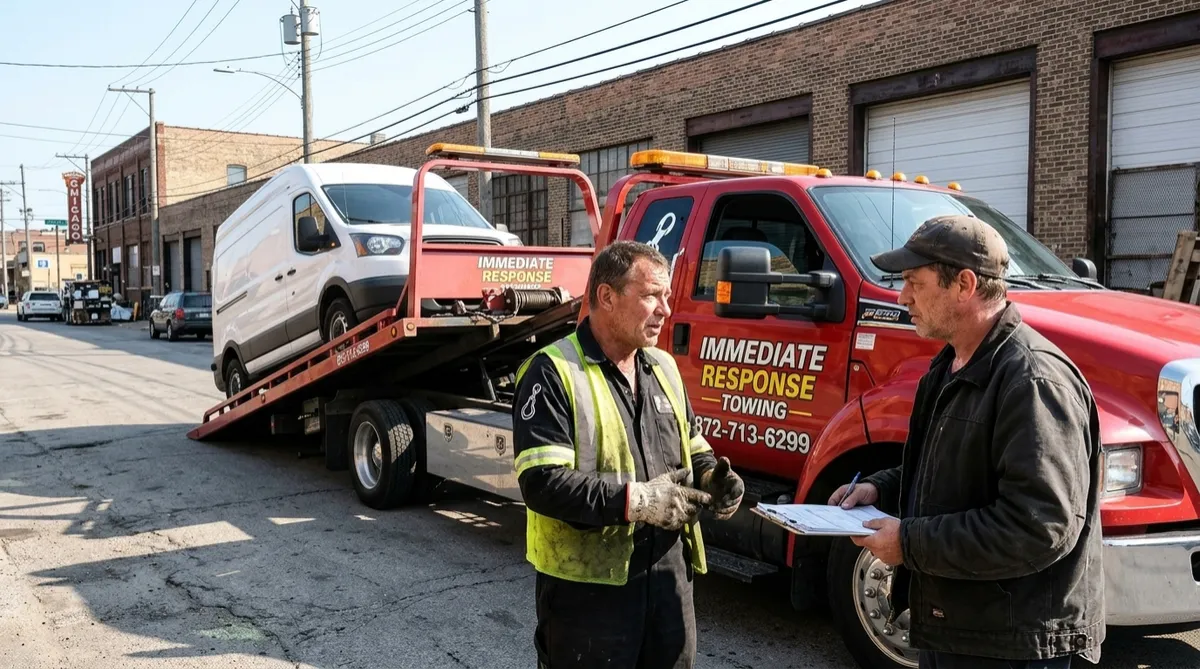
Commercial Towing for Businesses: Build a Fleet Plan That Cuts Downtime
Commercial Towing for Businesses: How to Build a Fleet Towing Plan That Cuts Downtime
When a family car breaks down, it ruins someone's morning. When a delivery van, a contractor's truck, or a service vehicle breaks down, it can ruin a whole day of work. Missed deliveries, idle employees, frustrated customers, and rescheduled jobs all stack up quickly. That is why commercial towing is not simply regular towing with a bigger truck. It is a planning problem as much as a rescue problem, and the businesses that handle it best are the ones that decide who to call before anything goes wrong. This guide explains what commercial towing covers, what to look for in a commercial towing company, and how to build a simple fleet towing plan that keeps your work moving.
What Commercial Towing Actually Covers
A commercial towing service handles vehicles used for business, which means a wider range of sizes, weights, and situations than a typical consumer tow. That includes cargo vans, box trucks, pickup trucks used for work, service vehicles with toolboxes and ladder racks, small delivery trucks, and sometimes trailers.
These vehicles are heavier, taller, and often loaded with equipment or products, which changes how they must be lifted, secured, and moved. Tow trucks and equipment have to be matched to the vehicle's weight and size. Cargo may need to be unloaded or transferred. Schedules matter, because a stalled vehicle is not just an inconvenience, it is lost income. A good crew understands that the clock is ticking and that careful handling protects both the vehicle and the business behind it.
The True Cost of a Stalled Work Vehicle
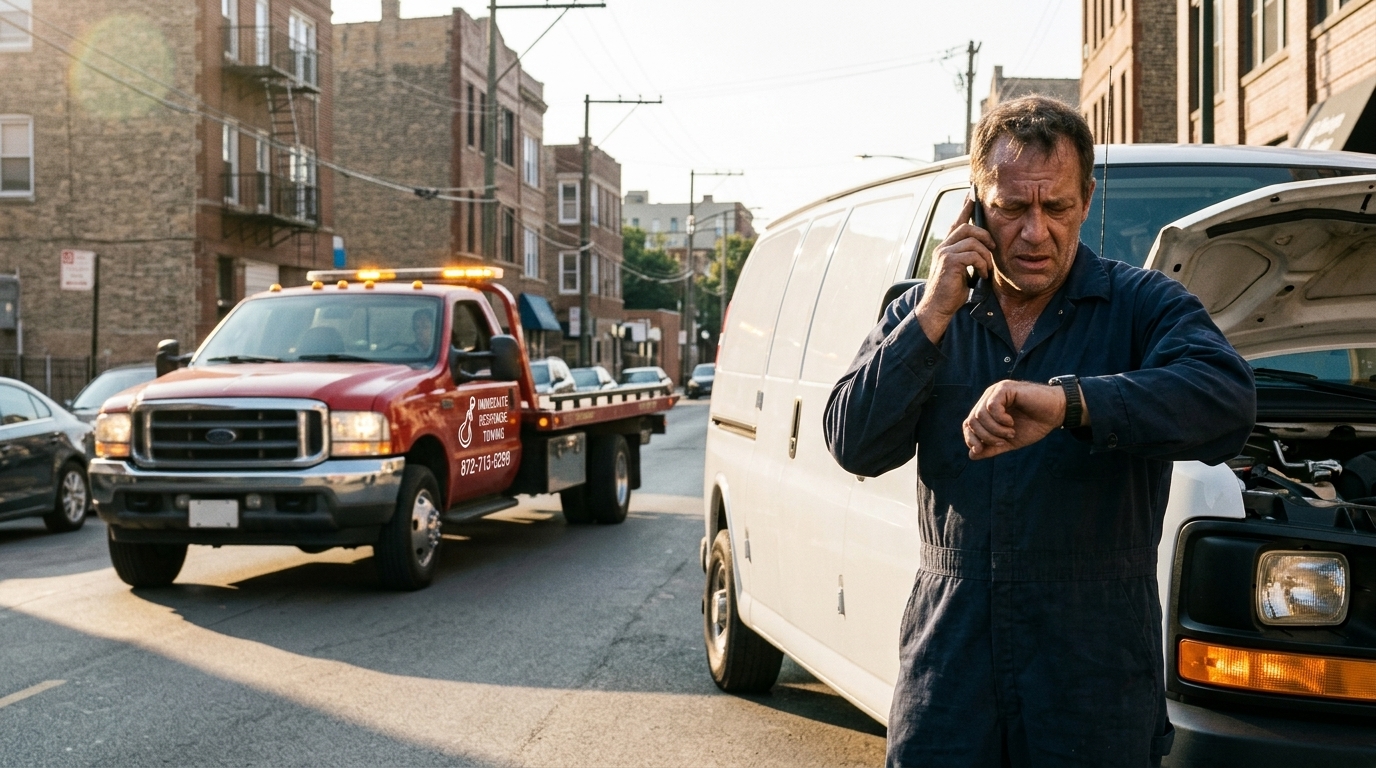
It is easy to focus on the cost of the tow and forget everything else that a breakdown costs. A stalled van means a driver sitting idle while still being paid. It means missed deliveries or appointments, which can damage customer trust. It means jobs pushed to tomorrow, overtime for catching up, and sometimes penalties or lost contracts.
The longer a vehicle sits waiting for help, the more those costs multiply. A business with a plan can cut the response time dramatically, because there is no scrambling to find a number, explain the vehicle, or negotiate pricing in the middle of a crisis. The plan itself becomes a quiet competitive advantage.
Seven Pieces of a Fleet Towing Plan
A good plan does not need to be complicated. It simply needs to answer the questions that come up in every breakdown before they are asked. Here are seven pieces worth putting in writing:
A vehicle list with the year, make, model, weight, and dimensions of each vehicle, plus any special equipment attached.
Named contacts for each shift, so a driver always knows who to call at the business.
A chosen commercial towing company with its phone number saved in every driver's phone.
A short step by step guide for drivers on what to do and say when a vehicle breaks down.
Insurance and coverage details, including any roadside plans that apply to the fleet.
A list of destinations, such as your preferred repair shop, your yard, or a secondary location.
A simple documentation routine, including photos, receipts, and an incident log.
Printing a one page version and keeping it in each vehicle can turn a stressful moment into a routine one.
What to Look for in a Commercial Towing Company
Not every towing business is set up for commercial work. When you evaluate a commercial towing company, start with equipment. Ask what sizes and weights the fleet can handle, and whether it has flatbeds and heavier duty trucks for larger vehicles. Ask about insurance, and what it covers when your vehicle and cargo are in the company's care.
Then consider communication. A good partner answers promptly, gives honest arrival windows, and keeps your dispatcher or manager updated. Ask how the company handles repeat customers, including whether it can set up an account, invoice a business, or provide itemized records for bookkeeping. Ask about experience with cargo, since that affects how the vehicle is loaded and what happens to the contents. A company that answers these questions clearly is the kind of partner that makes commercial tow calls simple.
Handling Cargo and Load Issues
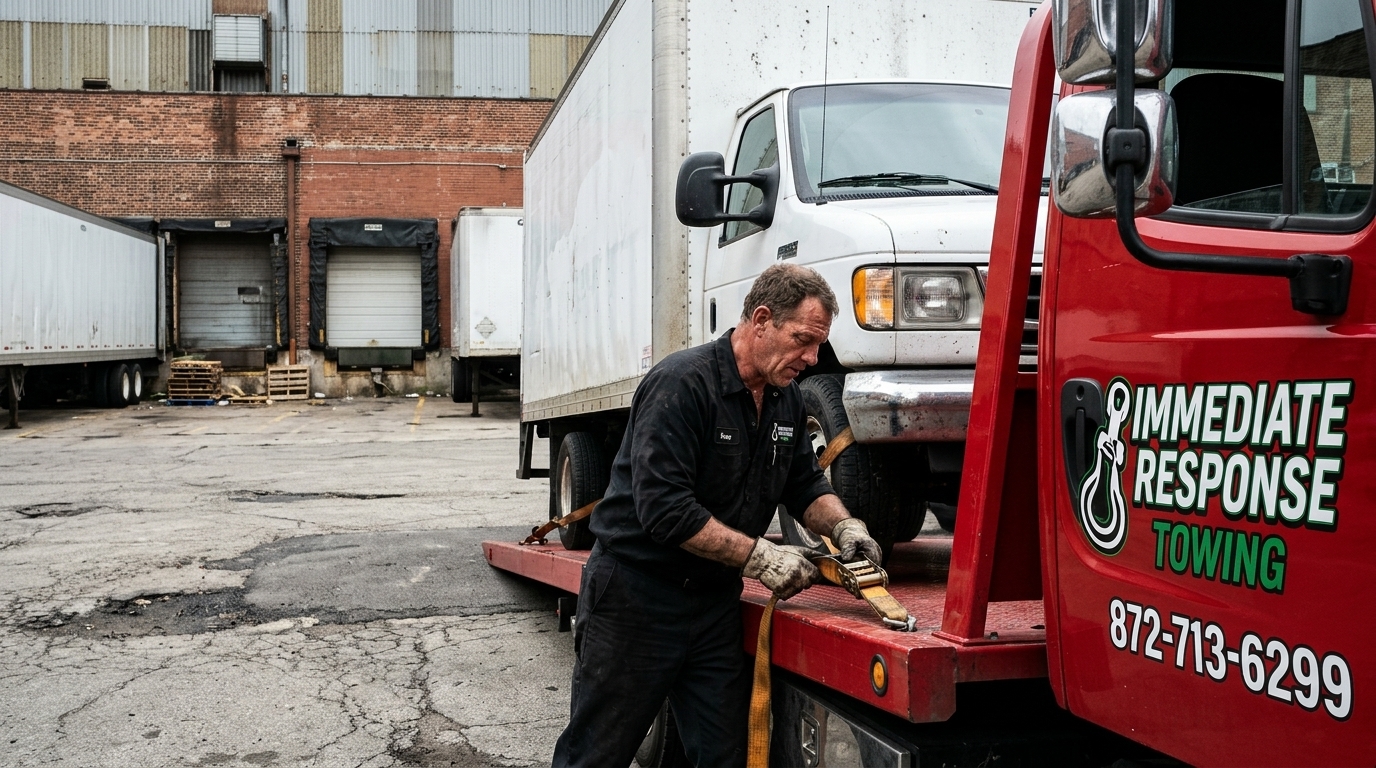
Cargo is the biggest difference between a commercial tow and a personal one. A van full of products or tools adds weight, raises the risk of shifting during transport, and creates questions about responsibility.
Decide ahead of time what drivers should do with cargo when a vehicle breaks down. Some businesses send another vehicle to transfer the load, which keeps deliveries moving. Others have the driver remove valuable or sensitive items before the tow. If the cargo is time sensitive, temperature sensitive, or hazardous, tell the dispatcher right away so the crew can plan. Photograph the load before the tow starts, and ask the company how it secures and documents the vehicle and its contents.
Driver Safety: What Employees Should Do Roadside
Your plan should protect your people as much as your vehicles. Teach drivers to put safety first: turn on hazard lights, move the vehicle out of traffic if they can, set the parking brake, and place reflective triangles if it is safe and part of your policy. On busy roads, they should stay buckled in or stand well clear of traffic until help arrives.
Drivers should call the designated contact and the chosen towing company, not accept help from anyone who appears unrequested. They should avoid repairs beyond their training and never risk their safety to save time. Share a short script they can follow, including what details to provide: location, vehicle description, what happened, and whether there is cargo on board.
Small Businesses and Solo Operators Need a Plan Too
You do not need a large fleet to benefit. A contractor with a single work truck or a florist with one delivery van has just as much at stake when a vehicle fails, because there is no backup. For small operators, the plan can be as simple as a saved number, a short note about the vehicle's weight and any equipment inside, and a backup option for finishing the job.
Thinking ahead also helps with insurance. Knowing what your policy covers for towing and cargo means fewer surprises when you need it.
Costs, Billing, and Records
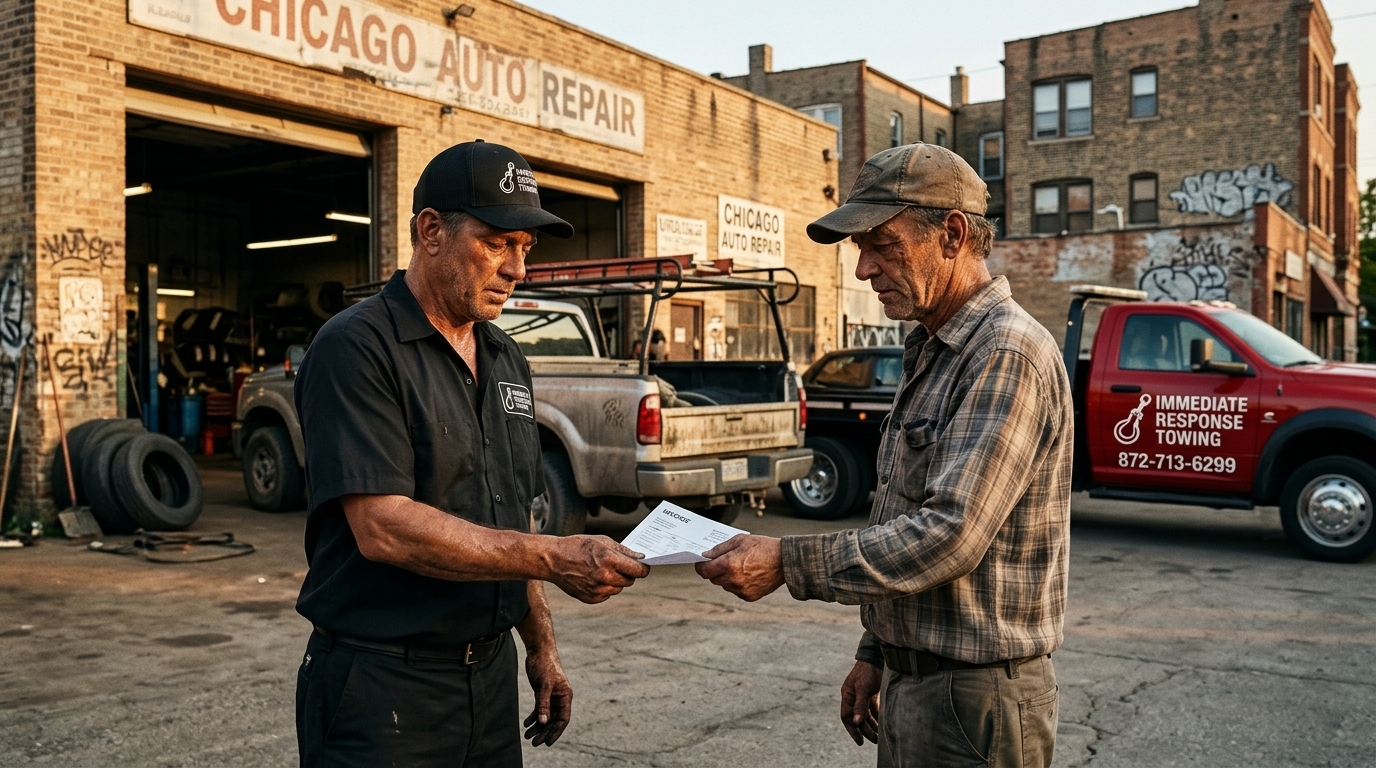
Commercial towing is usually quoted based on the vehicle type, the distance, the time of day, and the complexity of the job. Ask for a clear total before the truck is dispatched, and request written confirmation. If your business tracks expenses, ask whether the company can provide itemized invoices and whether account billing is available.
Keep every receipt, photo, and note in one place. Those records help with bookkeeping, insurance claims, and spotting patterns, such as a vehicle that keeps breaking down and may be due for replacement. Your accountant can advise on how to track these costs for your business.
Plan Now, Move Faster Later
Commercial towing works best when the decisions are made before the breakdown. A short plan, a trusted partner, and a clear process for drivers turn a costly interruption into a manageable one.
If your Chicago business wants a towing partner that takes work vehicles seriously, reach out to Immediate Response Towing and talk through your fleet, your vehicles, and your needs. A short conversation today can save you hours of downtime when it counts, so save the number for Immediate Response Towing in every driver's phone.