
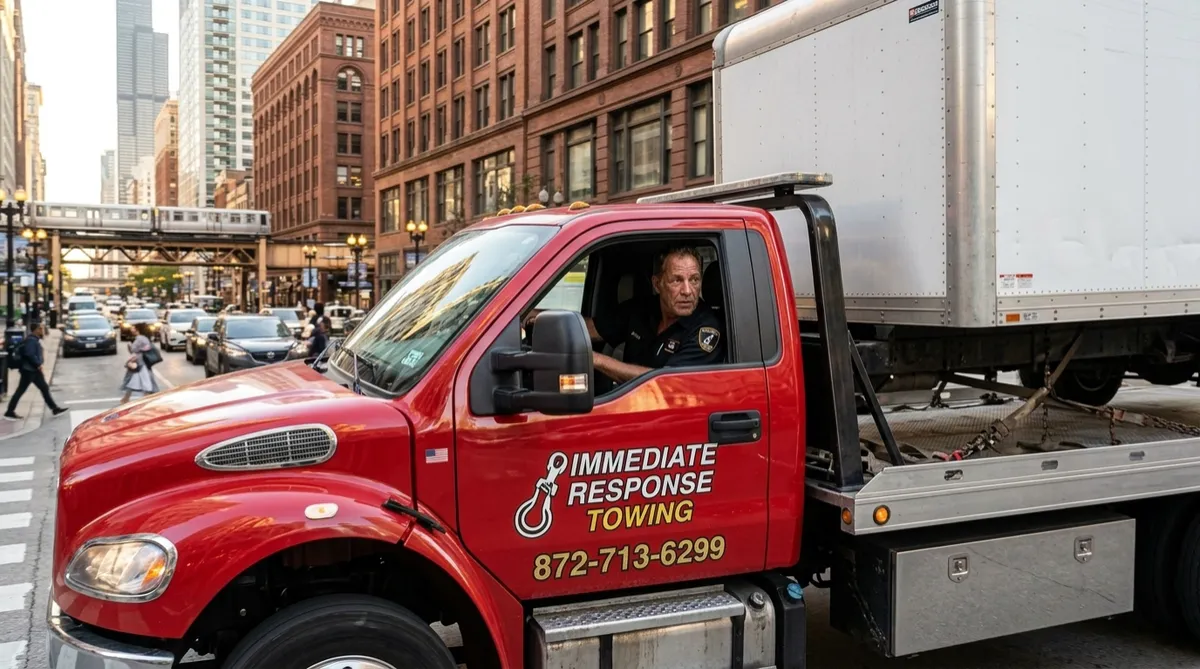
Commercial Towing Services in Illinois: Keep Your Vans and Box Trucks Earning
Commercial Towing Services in Illinois: Keep Your Vans and Box Trucks Earning
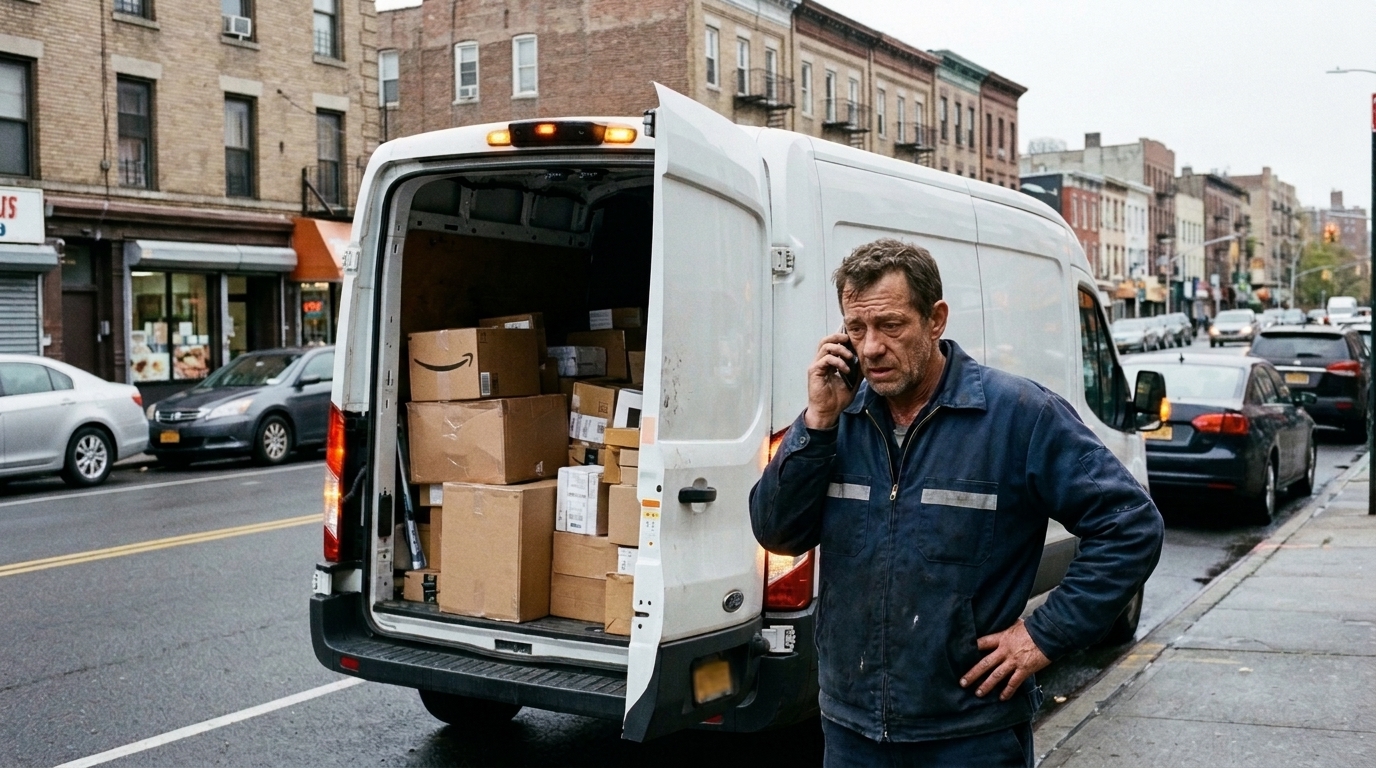
It is 10:15 on a Tuesday morning. Your delivery van just died with forty stops still on the schedule, a customer waiting on a time sensitive order and a driver standing on the shoulder with a dead phone battery and a growing sense of dread. Every minute that van sits there is lost revenue.
For businesses that run on wheels, a breakdown is not a personal inconvenience. It is a hit to your income, your reputation and your promise to customers. The right commercial towing services turn that chaos into a manageable, short detour. This guide shows you how to choose them, what to ask and how to prepare before the next call.
Why Commercial Towing Is Not Just a Bigger Version of Regular Towing
A commercial tow involves a working vehicle with a job to finish, often with cargo on board, a driver on the clock and a customer on the other end of the delivery. A good commercial tow company understands all of that, not just the mechanical side.
Here is what sets it apart from a standard car tow:
Weight and size change the equipment. A cargo van, a sprinter, a step van and a 26 foot box truck each need a different approach. Using the wrong truck can bend frames, damage drivelines or flip a load.
Cargo changes the plan. Furniture, produce, tools or medical supplies shift the vehicle's balance and sometimes need to be moved before lifting begins.
Time changes the priority. Commercial customers need updates, accurate arrival windows and a tow partner who understands that a late response costs more than the hookup fee.
Paperwork changes the process. Fleet accounts often need invoices, incident notes and consistent billing across multiple vehicles.
Delivery Van Tow Company Near Me: What Fast Actually Looks Like
When someone searches for a delivery van tow company near me, they are rarely browsing. They are stuck, and they want three things answered right away: how soon can you get here, can you handle my van and what will it cost.
A strong provider answers all three on the first call. Expect the dispatcher to ask for your exact location, the vehicle type, whether it rolls or steers, whether the load is on board and whether the van is blocking traffic. Those questions are not stalling. They are how a good dispatcher decides whether to send a wheel lift, a flatbed or a larger recovery unit.
Delivery vans also have quirks that matter. Many are front wheel drive with fragile transmissions, some are electric with special towing limits, and most carry shelving or packages that can shift if the van is tilted. Operators who handle these vehicles daily know to use a flatbed when a drivetrain should not spin, and they secure cargo before moving anything.
Box Truck Tow Company Near Me: Questions to Ask Before You Book
Box trucks are the workhorses of moving, retail, catering and construction supply. They are also tricky to tow. The tall profile, the long overhang behind the rear axle and the possibility of a heavy load all demand experience.
Before you confirm a box truck tow company near me, ask a few quick questions:
Do you know the truck's gross weight? Rental and company box trucks vary widely, and the tow equipment must be rated for it.
Is the cargo on board? A fully loaded truck is a different job than an empty one.
Is there a liftgate or a rear overhang that could scrape on a flatbed ramp?
What is the height? Low viaducts and parking garages across Chicago have ended more than one tow.
Giving accurate answers means the right truck shows up the first time. Guessing means a second dispatch, a longer wait and a bigger bill.
What Downtime Really Costs a Small Fleet
Most owners think about the tow bill and forget the real cost. A single stranded van can mean missed deliveries, refunds, overtime for a replacement driver and customers who quietly switch to a competitor.
Think about it like this: a tow that costs a few hundred dollars but gets your vehicle off the road in thirty minutes is often cheaper than a bargain tow that takes three hours. The invoice looks smaller, but the day looks much worse. Speed, communication and the right equipment are part of the price you are actually paying.
How to Choose a Commercial Tow Company Illinois Businesses Can Rely On
Searching for a commercial towing company Illinois fleets trust can feel overwhelming, because every provider claims to be fast and professional. These checkpoints cut through the noise:
True 24/7 availability. Breakdowns do not wait for business hours, and your provider should not either.
A varied fleet. Look for flatbeds, wheel lifts and recovery units so the right tool is sent for the right vehicle.
Proper insurance. Ask whether coverage includes both the vehicle and the cargo during transport.
Upfront pricing. Hookup fees, mileage, wait time and after hours rates should be explained before the truck is hooked up.
Local knowledge. Operators who know Chicago's expressways, loading docks, low bridges and winter traffic can plan routes that avoid secondary problems.
Clear communication. You should get an accurate arrival window and an update if it changes.
A provider that checks these boxes is far more likely to treat your vehicle like a business asset and not just another job.
The Truck and Tow Business Mindset: Build a Relationship Before You Need One
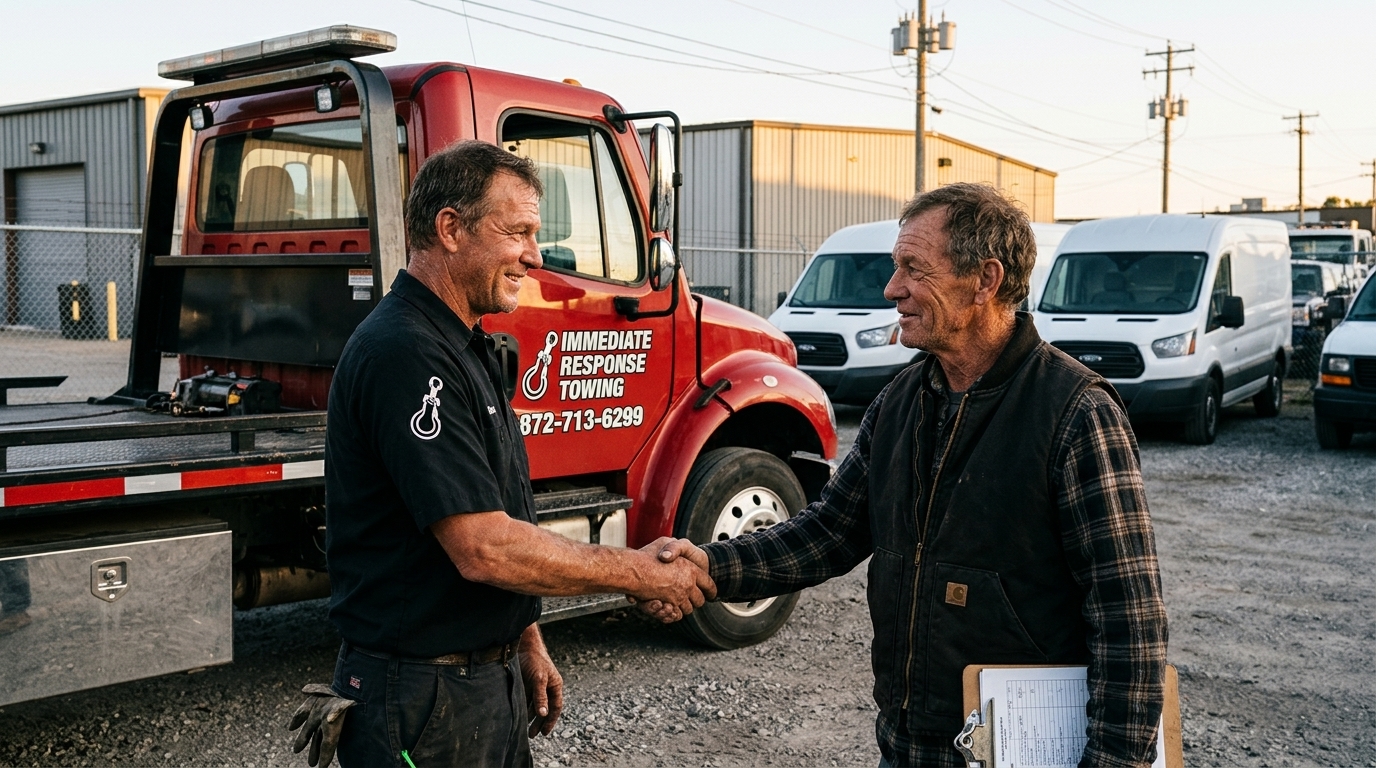
There is a growing trend among smart operators: treating towing as a partnership instead of a panic call. Whether you run a flower shop with two vans, a contractor with a fleet of box trucks or a logistics startup, having a trusted tow partner in place before something breaks changes everything.
The truck and tow business works best when both sides know each other. Save your provider's number in every driver's phone and in a laminated card in every cab. Share your vehicle list, typical routes and preferred repair shops in advance. Ask about fleet accounts and priority dispatch for repeat customers.
That small bit of preparation means your driver is not scrolling through search results on the shoulder of I-290. They make one call, the dispatcher already knows your business, and help is on the way.
What Happens During a Professional Commercial Tow
Knowing the process helps you spot a real professional and keeps your driver calm. Here is how a proper commercial tow usually unfolds:
Dispatch and confirmation. You give your location, vehicle details and condition, and you receive an estimated arrival time.
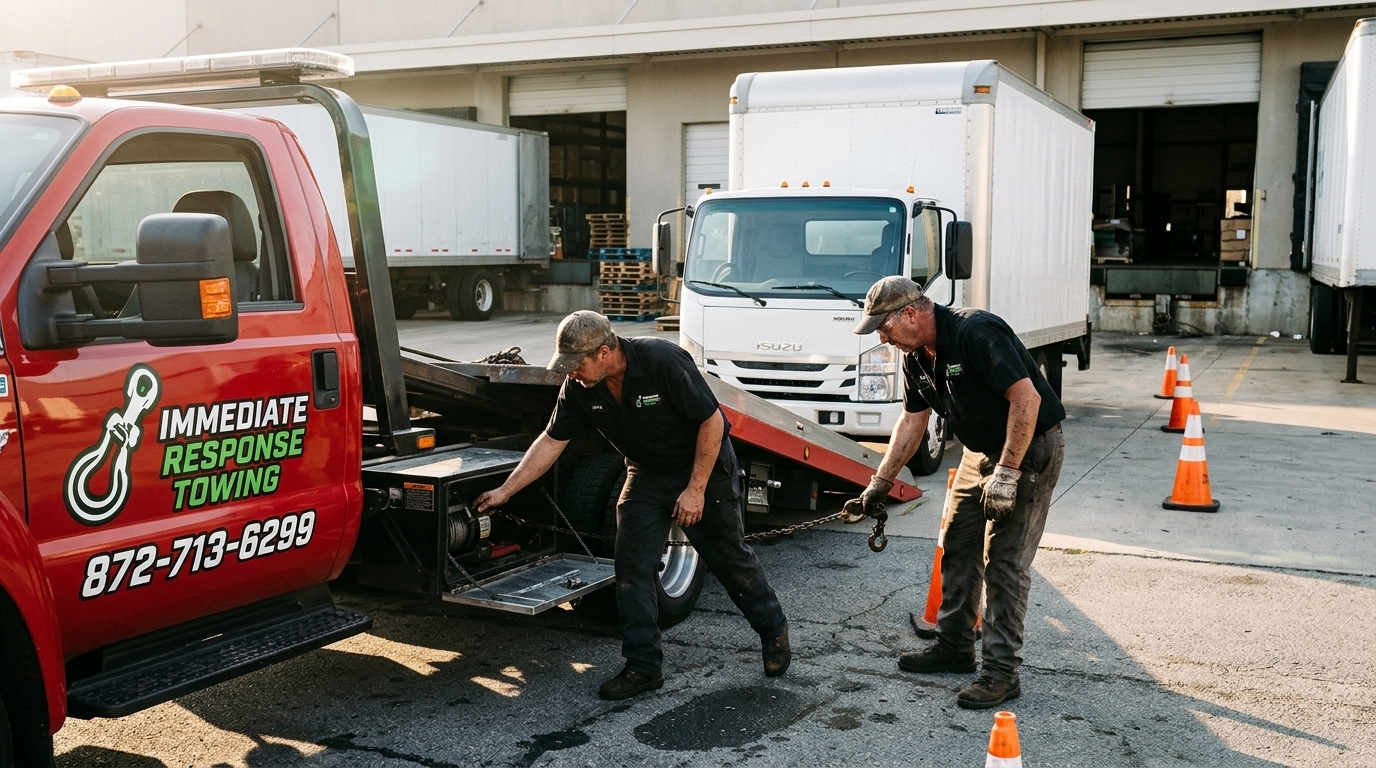
Scene safety. The operator positions the truck, sets cones and turns on warning lights to protect your driver and passing traffic.
Vehicle and load check. The crew inspects tires, axles, steering and cargo to choose the safest method of towing.
Cargo securing or transfer. Loose items are secured, or in some cases moved, before lifting.
Rigging and loading. The vehicle is attached at approved points and loaded or lifted with proper equipment.
Transport. The operator drives at a controlled pace, plans for height and turning limits and avoids risky routes.
Delivery and paperwork. Your van or truck is dropped at your yard, a repair shop or another location, and you receive clear documentation.
Every stage protects your equipment, your cargo and your schedule.
Habits That Prevent the Next Roadside Emergency
You cannot prevent every breakdown, but you can reduce the odds. Fleets that stay on the road tend to follow a few simple habits. They inspect tires and fluid levels before each shift. They service vehicles on a regular schedule, not only after something fails. They train drivers to pull over safely at the first warning light instead of pushing on to finish a route.
Winter deserves its own plan. Chicago cold drains batteries, freezes fuel lines and turns minor tire wear into a serious hazard. Keep a short cold weather checklist, and make sure every driver carries a charged phone, a flashlight, reflective triangles and your tow provider's number.
Frequently Asked Questions About Commercial Towing
How quickly can a commercial tow truck reach me?
Arrival time depends on traffic, weather and your location. A local Chicago provider with a full fleet can often respond quickly, and a good dispatcher will give you an honest estimate instead of an optimistic guess.
Can a box truck be towed with cargo inside?
Sometimes, yes. It depends on the weight, how the load is secured and the condition of the truck. The operator will decide on site whether the cargo can stay or needs to be moved first.
Do I need a flatbed for a delivery van?
Often a flatbed is the safest option, especially for front wheel drive or electric vans. The right choice depends on the vehicle and the damage, so give the dispatcher as much detail as possible.
Can my business set up an account before an emergency?
Many commercial providers welcome it. Setting up an account in advance can speed up dispatch and simplify billing across multiple vehicles.
Get Moving Again With a Partner Who Understands Business
When a van or box truck goes down, you do not just need a tow. You need a team that understands deadlines, handles your vehicle properly and keeps you informed from the first call to the final drop off. The more you prepare, the less a breakdown can cost you.
If you want a dependable partner for commercial towing across Chicago and the surrounding area, reach out to Immediate Response Towing. Save the number now, and the next breakdown becomes a minor interruption instead of a lost day.