Towing a Car the Right Way: What Method Actually Fits Your Vehicle
Towing a Car the Right Way: What Method Actually Fits Your Vehicle
When your car needs to get towed, the goal isn't just getting it off the road, it's getting it there without adding a second problem on top of the first. A lot of people assume every tow truck does the same thing the same way, but the method used to move your car actually varies quite a bit, and picking the wrong one can turn a simple tow into an expensive mistake. Understanding how towing cars actually works helps you ask the right questions before a truck ever shows up.
The Three Ways a Car Actually Gets Towed
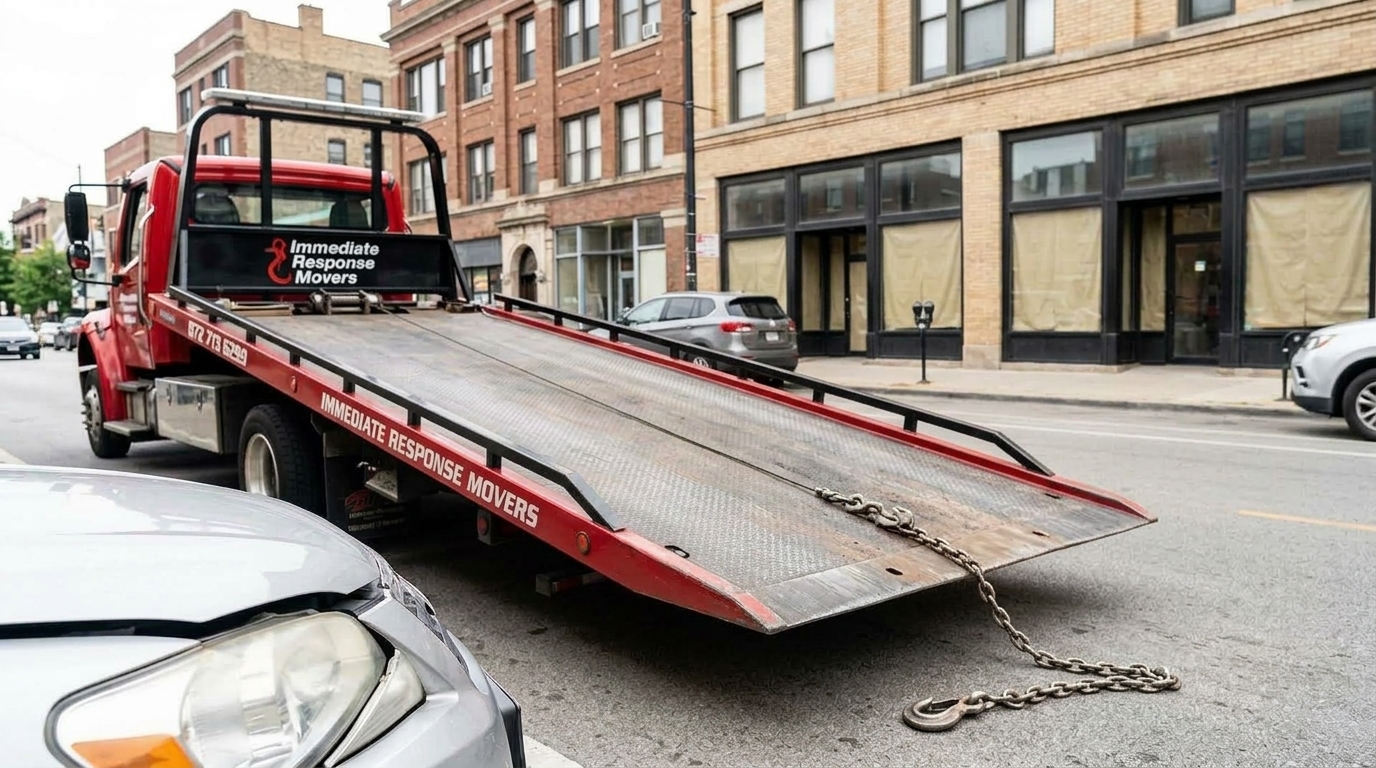
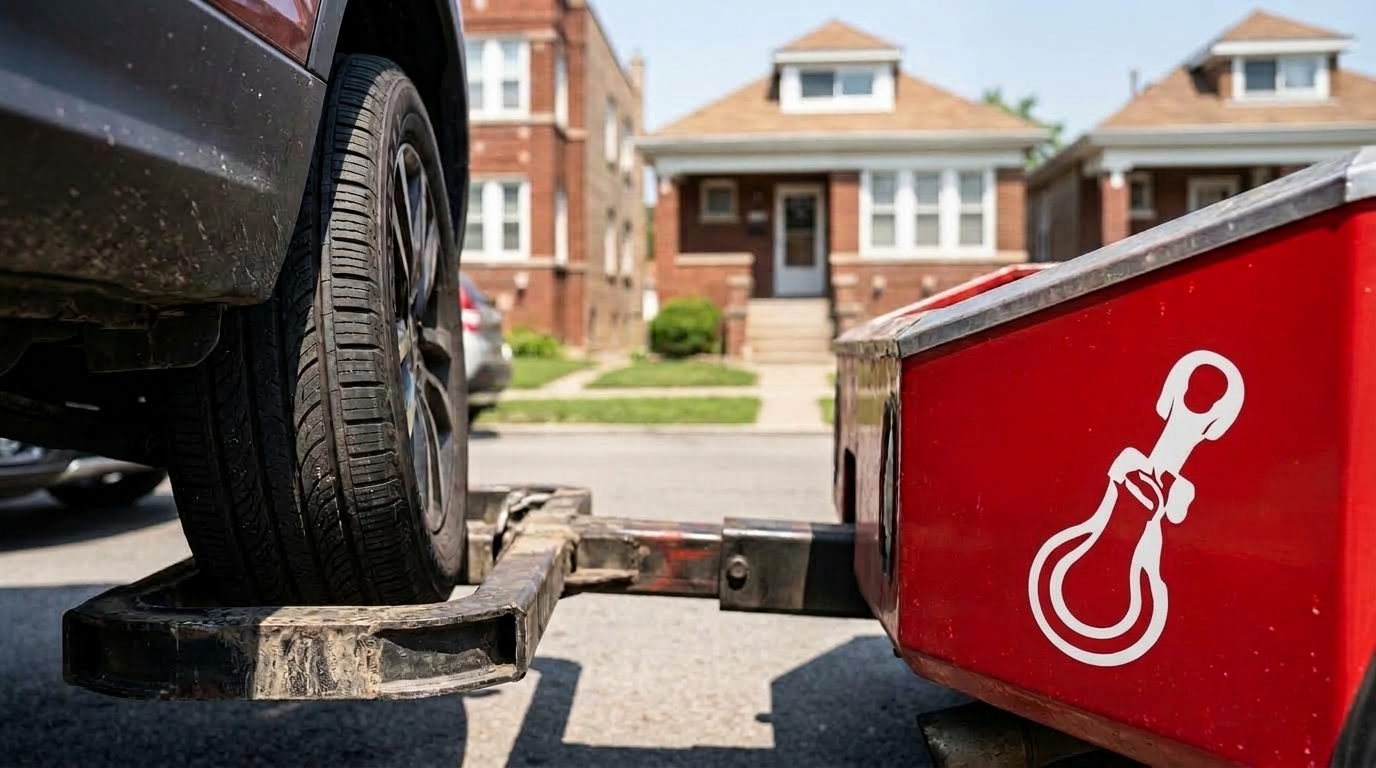
Most towing falls into one of three categories, and each one interacts with your vehicle differently. Flatbed towing lifts the entire car off the ground onto a flat platform that tilts down like a ramp, so no wheels ever touch the road during transport. This is generally considered the safest method available, since nothing on the vehicle is under strain the whole way there. Wheel lift towing works differently, using a hydraulic arm that slides under two tires and lifts that end of the car while the other two wheels stay on the pavement and roll freely. It's faster to set up than a flatbed and works well for a lot of everyday situations, though it does put some wear on the wheels that remain grounded. Dolly towing sits somewhere in between, using a small trailer that lifts one axle while the vehicle rolls along on the other, most commonly used for longer distance moves where a full flatbed isn't practical. There's also sling towing, an older method mostly reserved for badly damaged or wrecked vehicles where the usual recovery points aren't accessible.
Why the Method Actually Matters for Your Car
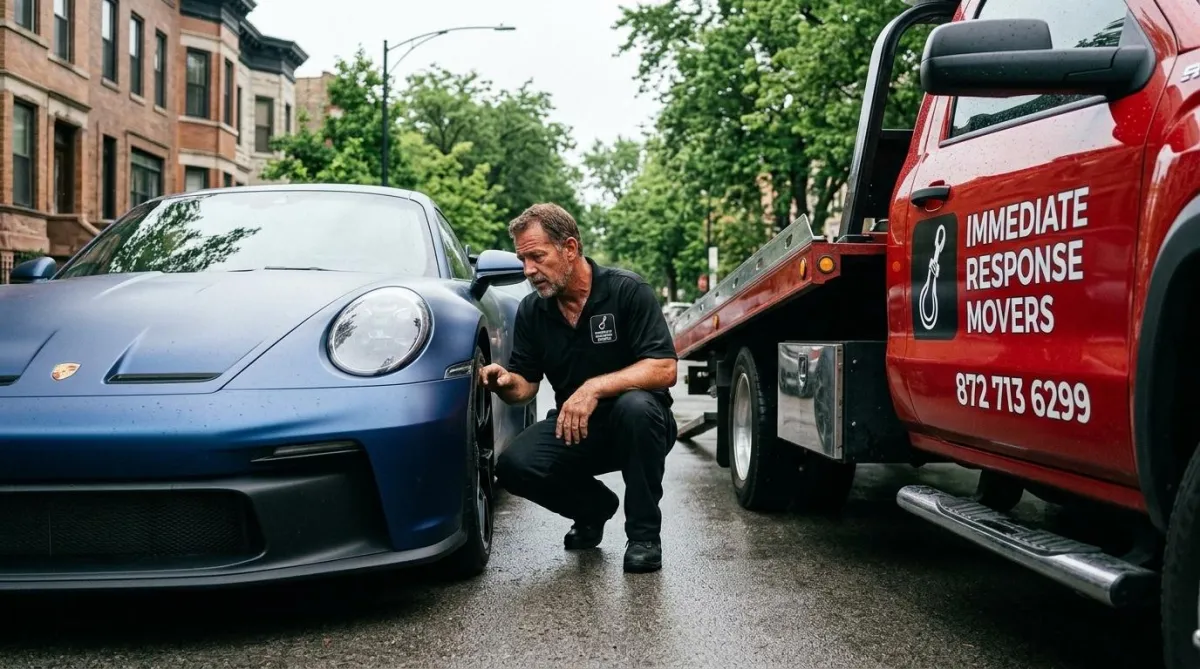
This isn't just technical trivia, the method chosen has real consequences depending on what you drive. All wheel drive and four wheel drive vehicles are particularly sensitive here, since towing them with wheels still touching the ground can send power through a transmission that was never designed to spin while the engine is off, leading to serious and expensive damage. Low clearance cars, whether that's a sports car or something with a lowered suspension, need to be approached carefully too, since the wrong loading angle can mean a scraped bumper or exhaust before the vehicle even leaves the ground. Luxury and classic cars almost always get the flatbed treatment regardless of drivetrain, simply because owners don't want any part of the vehicle touching pavement or bearing weight it wasn't built for during transport. Even a standard front wheel drive sedan benefits from the right call here, since an experienced operator will still check for existing damage or mechanical issues that might change which method is actually appropriate.
What Goes Wrong When the Wrong Method Gets Used
Most of the time, an experienced driver gets this right without you ever having to think about it. But when the wrong method gets used, whether from inexperience or simply not asking the vehicle owner the right questions first, the damage often doesn't show up immediately. A transmission strained during an improper tow might not act up for days or weeks, which makes it easy to miss the connection to how the car was moved in the first place. Scraped undercarriages and bent components from a bad loading angle are usually more obvious, but they're just as avoidable. This is exactly why the driver who shows up matters as much as the truck itself, since equipment alone doesn't guarantee the job gets done correctly.
Questions Worth Asking Before the Tow Starts
A few quick questions when the driver arrives can confirm your car is about to be handled the right way.
Is this vehicle all wheel drive or four wheel drive, and does that change the method you're using
Will the car be flatbedded or wheel lifted, and why
Is there any existing damage I should point out before loading
How will the vehicle be secured for the ride
A driver who answers these clearly and without hesitation is generally one who knows exactly what they're doing.
Getting It Done Right the First Time
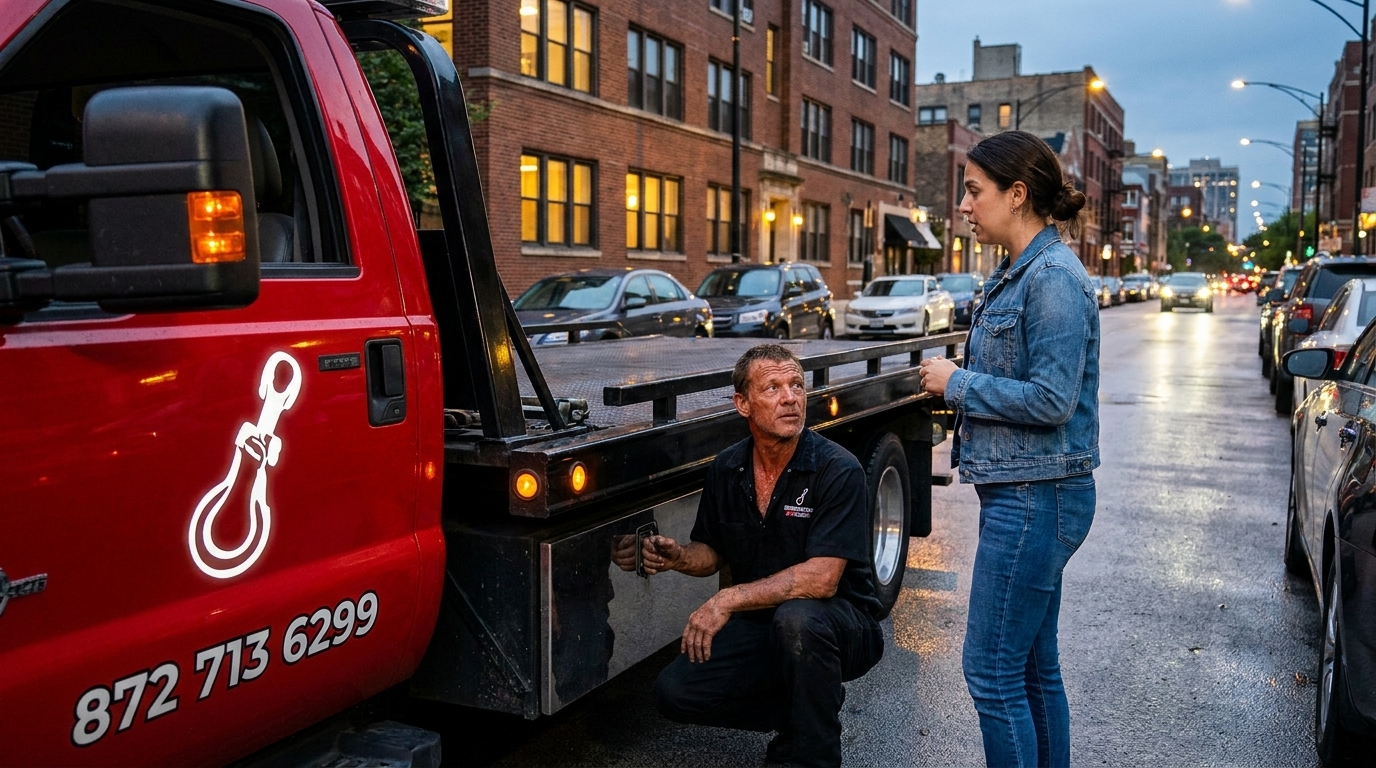
Drivers across Chicago and nearby suburbs like Berwyn, Cicero, and Oak Park count on knowing that when their car gets towed, it's handled by someone who actually understands the difference between these methods rather than defaulting to whatever truck happens to be available. That's the approach Immediate Response Towing takes with every vehicle, matching the right equipment to the right car instead of treating every tow the same way.
If your car needs to be towed and you want it done by someone who gets the method right the first time, reach out here and get a truck that's actually equipped for your vehicle.