I Need My Car Towed Home: A Practical Guide to Light Duty Towing
I Need My Car Towed Home: A Practical Guide to Getting Your Car Back to Your Driveway
It is a Saturday afternoon, your car refuses to start, and every repair shop within reach is closed until Monday. Your first thought might be, "I need my car towed home." It is a sensible plan, but it comes with questions most people have never had to answer. Can a truck get into your driveway? What if you are not there when it arrives? Should the car go home at all, or straight to a mechanic? This guide covers the whole journey, from deciding where the car should go, to what to say when you call, to how to prepare your driveway so the handoff goes smoothly.
Why Home Is Often the Smartest Destination
Taking a broken car to a shop sounds like the obvious move, but home can be the better choice in plenty of situations. If the shop is closed, dropping a car in a lot overnight leaves it unattended and sometimes adds storage or after hours handling costs. If you are waiting on an insurance adjuster, a parts delivery, or a quote from a mechanic you have not picked yet, a car sitting safely at home gives you time to decide.
Home also makes sense when you plan to handle a simple repair yourself or have a trusted mechanic who works on driveways or in a garage. The trade off is safety and diagnosis: if the car has serious damage, strange noises, or warning lights you do not understand, a professional inspection should come soon. Either way, towing the car home gets it off the roadside and puts you back in control.
Before You Say "I Need Someone to Tow My Car"
Not every problem needs a tow. A quick check can save you time and money, as long as you stay safe. If your car is in a safe place, look at the basics: Is there fuel in the tank? Did a warning light come on? Does the engine crank slowly, which can mean a weak battery, or not at all? Are any tires flat?
Some issues, such as a dead battery or a flat tire, can be fixed on the spot by a roadside tech. Others, such as overheating, a burning smell, grinding noises, or an accident, call for a tow right away. If you are unsure, it is better to say, "I need to get my car towed," and let a professional decide than to risk a drive that makes the damage worse. Pushing a car that is not safe to drive can turn a small repair into a big one.
How Light Duty Towing Gets a Car to Your Driveway
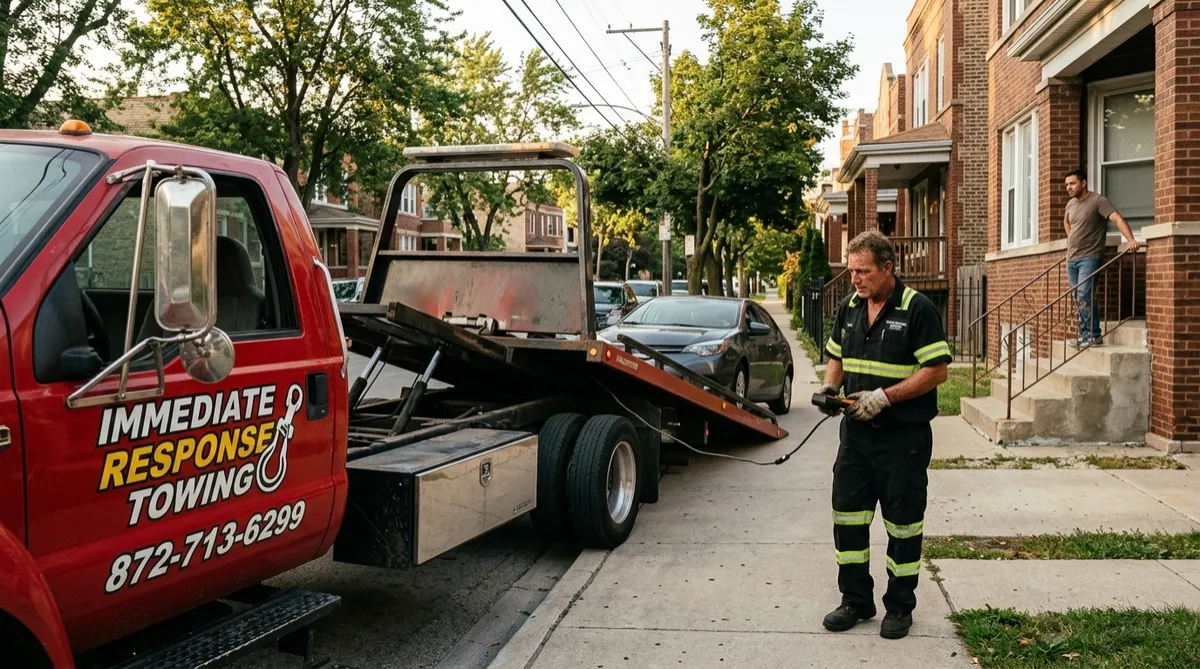
Moving a regular passenger car is called light duty towing, and it is the most common type of job. It uses trucks sized for sedans, small SUVs, and compact pickups. In most cases that means a flatbed, which carries the car with all four wheels off the ground, or a wheel lift for short, simple moves.
For a home delivery, the driver has to think about more than the road. Driveway slope, garage clearance, curb height, trees, and tight turns can all affect how the car comes off the truck. A flatbed bed tilts and slides to form a ramp, which works well on a flat driveway but may need extra care on steep ones. Tell the dispatcher what your driveway looks like, and the crew can plan ahead.
The Call to Tow a Car Home: What to Say
A clear call makes everything faster. When you phone in your call to tow a car, have these seven details ready:
Where the car is right now, including cross streets or a map pin.
Your home address, and whether the car should go into the driveway, garage, or street.
The year, make, model, and color of the car.
What is wrong and whether the car runs, rolls, and steers.
Whether the car is front wheel drive, rear wheel drive, all wheel drive, or electric.
Any limits at home, such as a steep driveway, low garage door, narrow gate, or tight street.
A phone number that will be answered, plus the name of anyone who will meet the truck.
Ask for a total quote that includes mileage, and confirm the arrival window. When both sides share clear information, the job becomes simple.
Getting Ready at Home: Driveway, Garage, and Street Prep
A little preparation before the truck arrives makes the unloading safe and fast. Clear the driveway of toys, bikes, trash bins, and anything else in the way. If you share the space with other cars, ask whoever owns them to move them out of the path. Look up for low branches and wires, and check that the surface is free of ice, snow, or standing water.
If the car will go on the street, make sure there is a legal, open spot where the truck can stop and unload. In neighborhoods with permit parking, snow rules, or building regulations, check the posted signs first. Turn on a porch or driveway light if it will be dark, and keep pets and children inside while the truck works. A calm, tidy space helps the operator work carefully and keeps everyone safe.
What If You Are Not Home When the Truck Arrives?
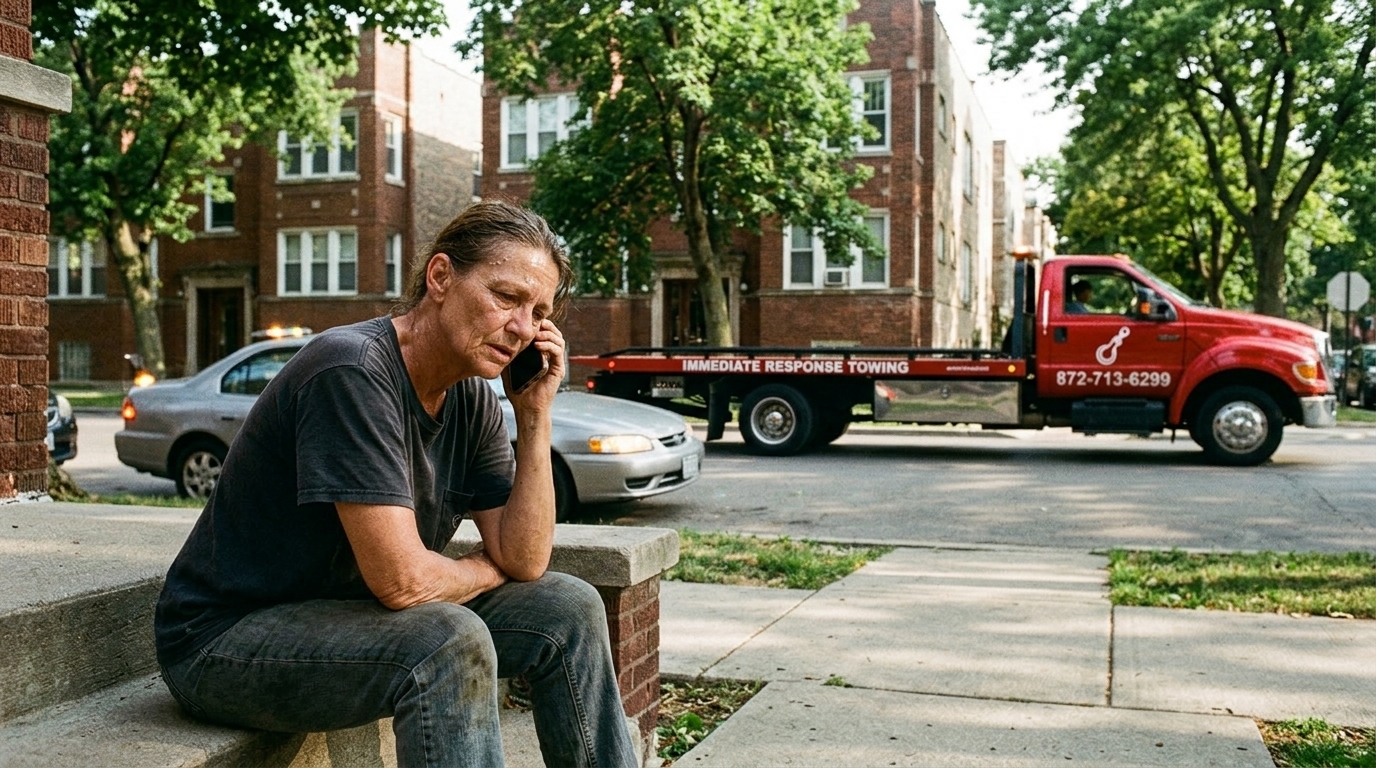
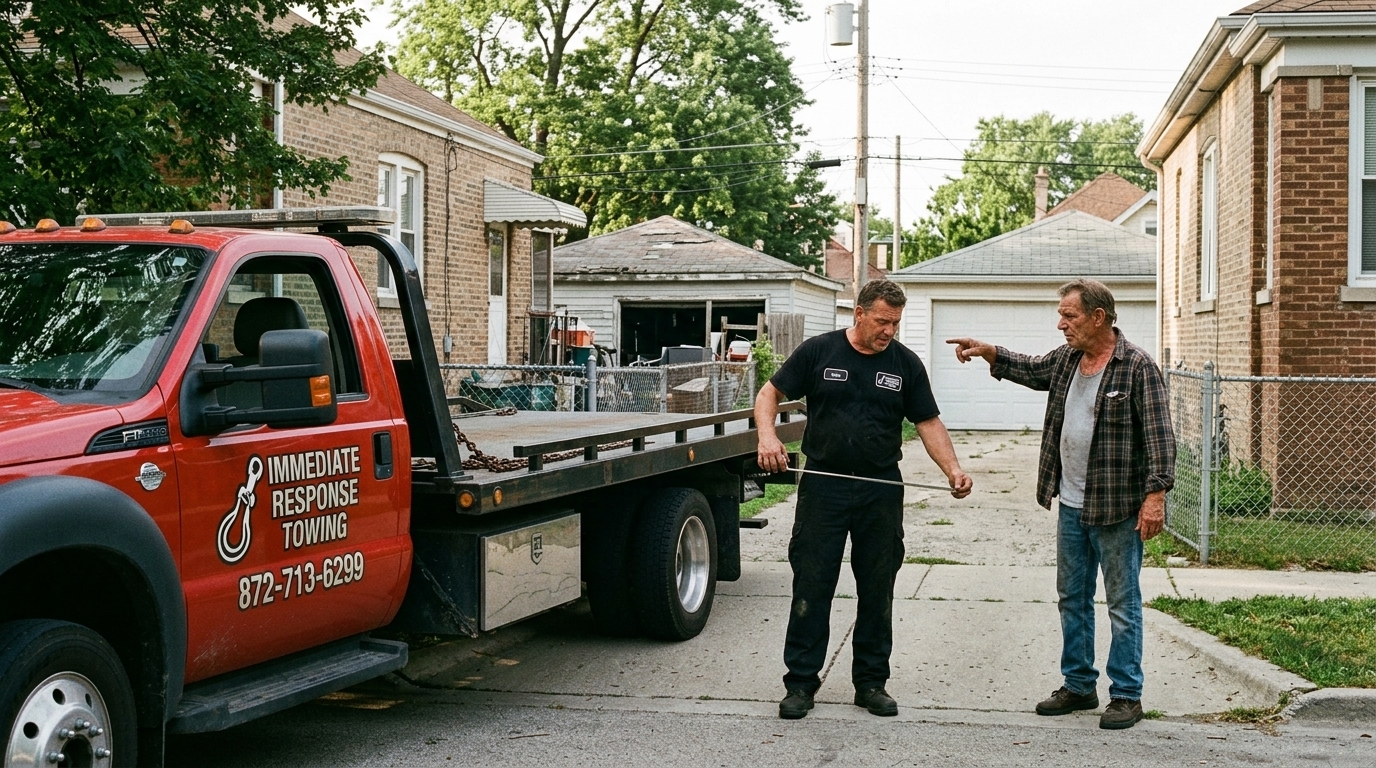
Life does not always line up. If you cannot be at home, arrange for someone you trust to meet the driver, such as a family member, neighbor, or roommate. Tell the dispatcher who will be there, and give both phone numbers. Explain exactly where the car should be placed and share any gate codes or entry instructions.
Confirm the arrangement in writing if possible, and ask the company how it handles payment when the owner is not present. Never leave keys or sensitive details in places where someone else could take them. If you are unsure, it is better to reschedule than to leave the handoff unclear.
When a Car Tow Away Service Is the Better Call
Sometimes the goal is not to bring a car home but to get one off your property. A car tow away service helps when you have a vehicle that no longer runs and you want it gone, whether it is headed to a salvage yard, a buyer, a charity pickup, or a shop. Tell the dispatcher where it is going and whether you have the paperwork ready, and the crew can plan accordingly. Clear communication prevents delays when more than one party is involved.
Finding Help Close By
Plenty of drivers type phrases like car towing near, car towing service near, or near car towing service when they are stressed and typing fast. The important part is finding a crew that is truly close, answers quickly, and understands local streets. A local team such as Immediate Response Towing knows the neighborhoods, the tight driveways, and the way weather changes everything, which makes a home delivery smoother.
After the Car Is Home
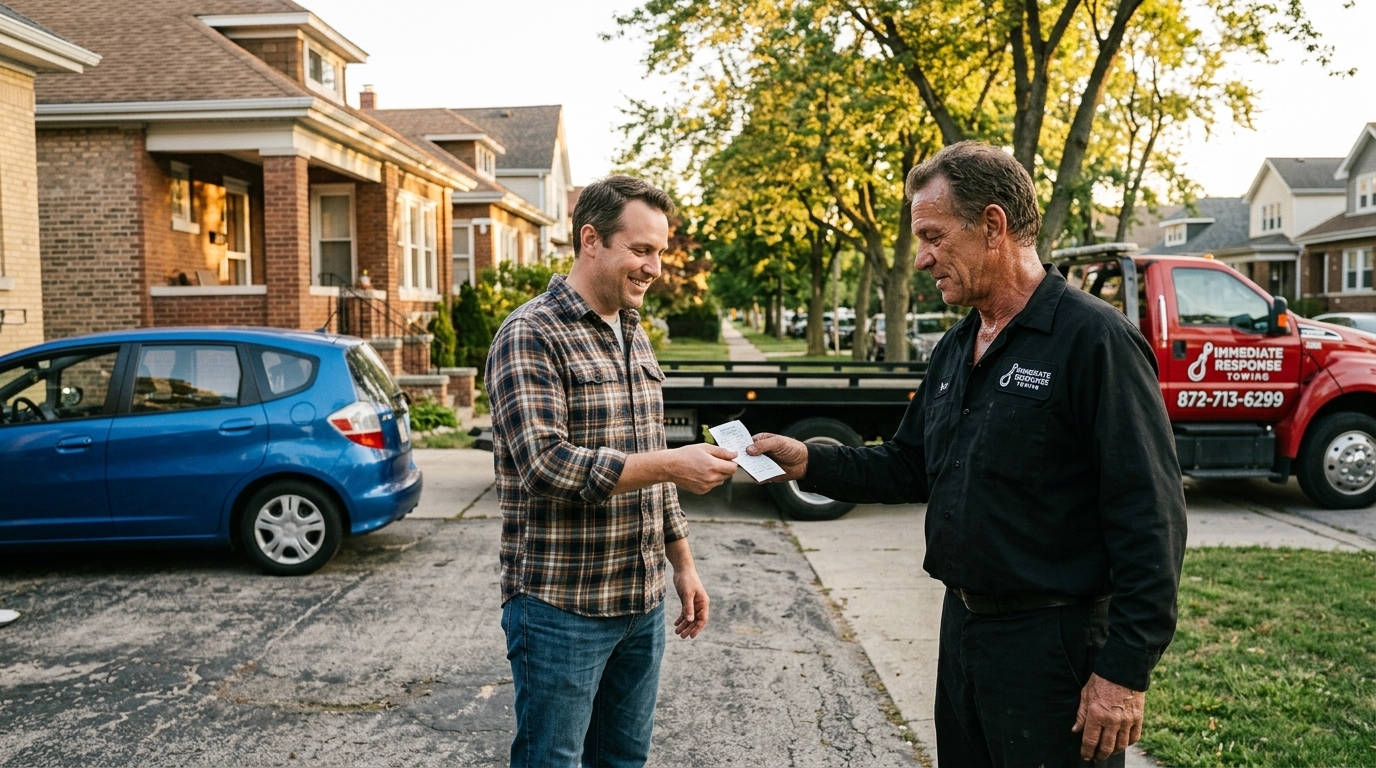
Once the car is parked, take a minute to protect it. Take photos of its condition, keep your receipt, and put away any valuables. If you plan to wait for a shop or an insurance adjuster, make sure the car is parked where it will not block anyone and is safe from weather. Avoid trying major repairs unless you know exactly what you are doing, and ask your mechanic what to do about the battery or any fluids if the car will sit for a while.
Then make a plan for the next step. Call a shop on Monday morning, request estimates, or contact your insurer. A car that arrives home safely gives you time to think instead of rush.
A Smoother Way Home
Saying "I need a car towed" does not have to feel overwhelming. When you decide where the car should go, check what is safe, share clear details, and prepare your driveway, the whole process becomes a simple handoff. Whether you need the car at home, at a mechanic, or somewhere else, the right crew makes it easy.
When you are ready to bring your car back to your driveway, reach out to Immediate Response Towing and let a Chicago team get it there safely.