Places That Tow Cars in Chicago and How to Avoid Becoming a Statistic
Places That Tow Cars in Chicago and How to Avoid Becoming a Statistic
Getting towed rarely happens on a highway. Far more often, it happens while a car sits parked somewhere the owner assumed was perfectly fine, only for it to vanish within hours, leaving behind nothing but an empty spot and a sinking feeling. Knowing the specific places that tow cars most often in Chicago, and understanding why they are so quick to do it, can save you from a frustrating afternoon and a bill you never saw coming.
The Common Places That Tow Cars Away in Chicago
Certain types of locations account for the vast majority of private property tows across the city, and most drivers only learn about them the hard way.
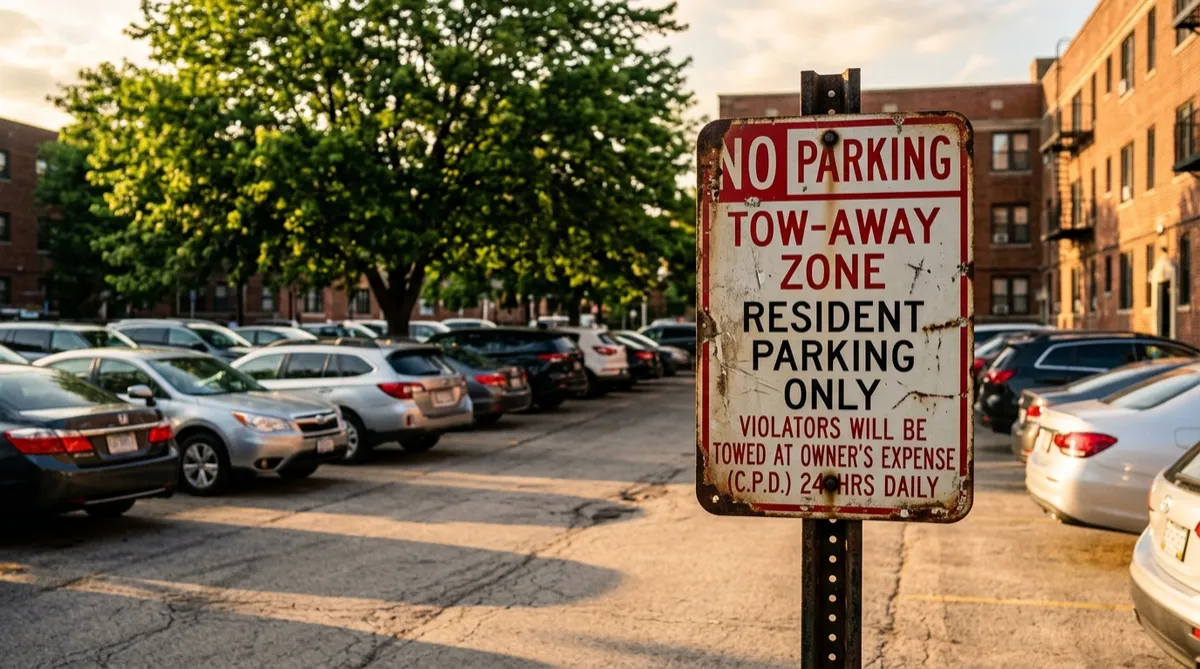
Apartment and condo lots, where reserved or resident only spaces are enforced strictly, sometimes even for a driver visiting a friend who forgot to mention the rules.
Retail and shopping center lots after hours, especially when a store closes and the lot is contracted to a towing company overnight.
Fire lanes and areas directly in front of hydrants, which are almost always towed immediately regardless of how briefly a car is parked there.
Gated lots and buildings with exclusive towing contracts, where enforcement tends to be far stricter than a typical public street.
Hospital and medical complex lots, where patient and staff parking is closely monitored throughout the day.
Downtown loading zones and commercial areas, where a quick stop can turn into a tow faster than most drivers expect.
Recognizing these categories before you park somewhere unfamiliar is often the easiest way to avoid the problem entirely.
Why Private Lots Are Stricter Than You Would Expect
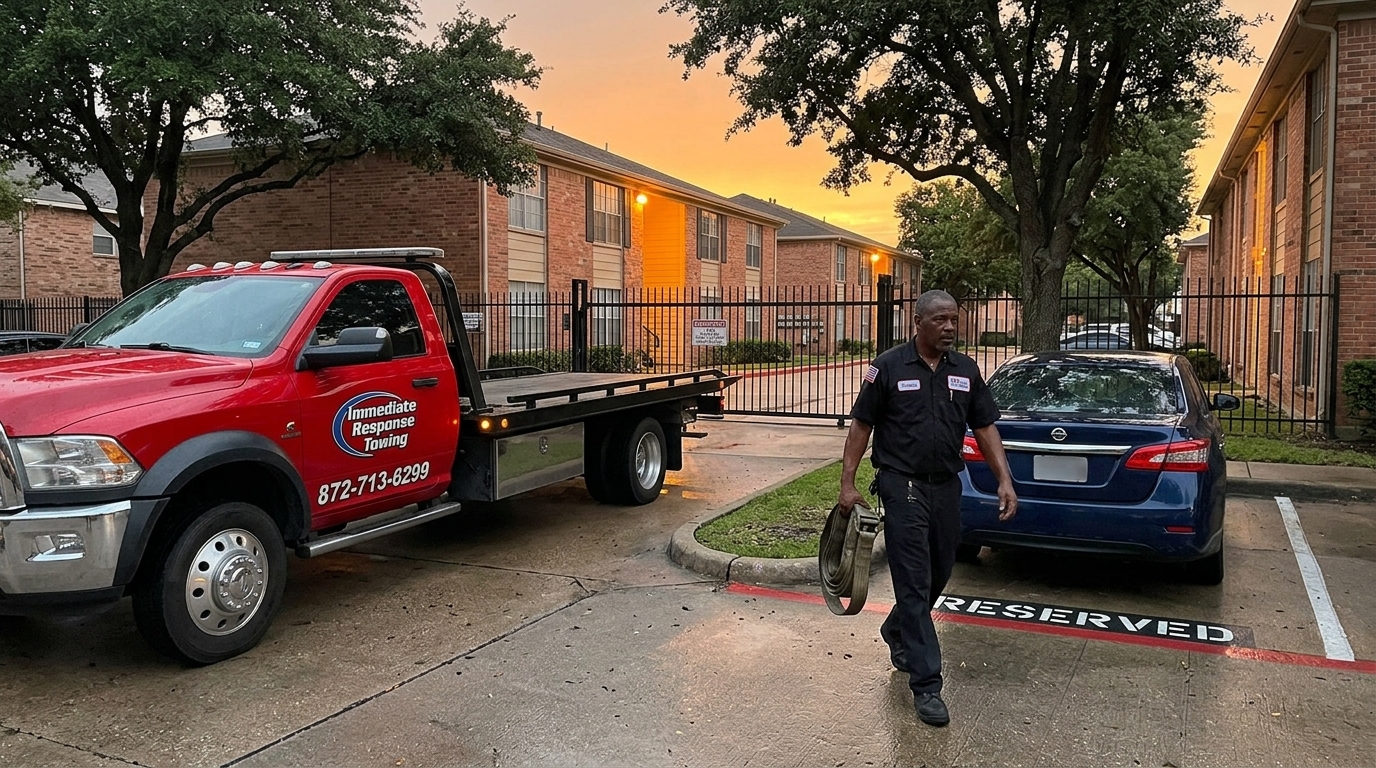
Public street towing in Chicago is generally handled by the city itself, following posted signage and specific violations like expired meters or street cleaning schedules. Private lots work differently. Property owners often sign exclusive contracts with towing companies, who are then financially incentivized to enforce parking rules aggressively, since their revenue comes directly from the vehicles they tow rather than from the property owner. This creates a fundamentally different set of priorities than public enforcement, where a city crew typically has far more ground to cover and less reason to move quickly on any single vehicle. This is why a lot that looks mostly empty can still result in a tow within thirty minutes, especially at apartment complexes and gated buildings where unauthorized parking is treated as a real problem rather than a minor inconvenience.
What Illinois Law Actually Says About These Tows
Illinois regulates this practice specifically through what is known as the Commercial Relocation of Trespassing Vehicles Law, which sets rules for how private property towing companies must operate. Signage requirements, notification procedures, and fee limits all fall under this regulation, meaning a towing company cannot simply remove a vehicle from private property without meeting certain legal standards first. The law generally requires clearly posted signs at every entrance to a lot, along with specific information about the towing company and how to retrieve a vehicle once it has been removed. Despite these protections, enforcement still happens quickly in practice, and the law exists mainly to give vehicle owners a path for disputing an improper tow after the fact rather than preventing every tow from happening in the first place.
What to Do If Your Car Has Already Been Towed
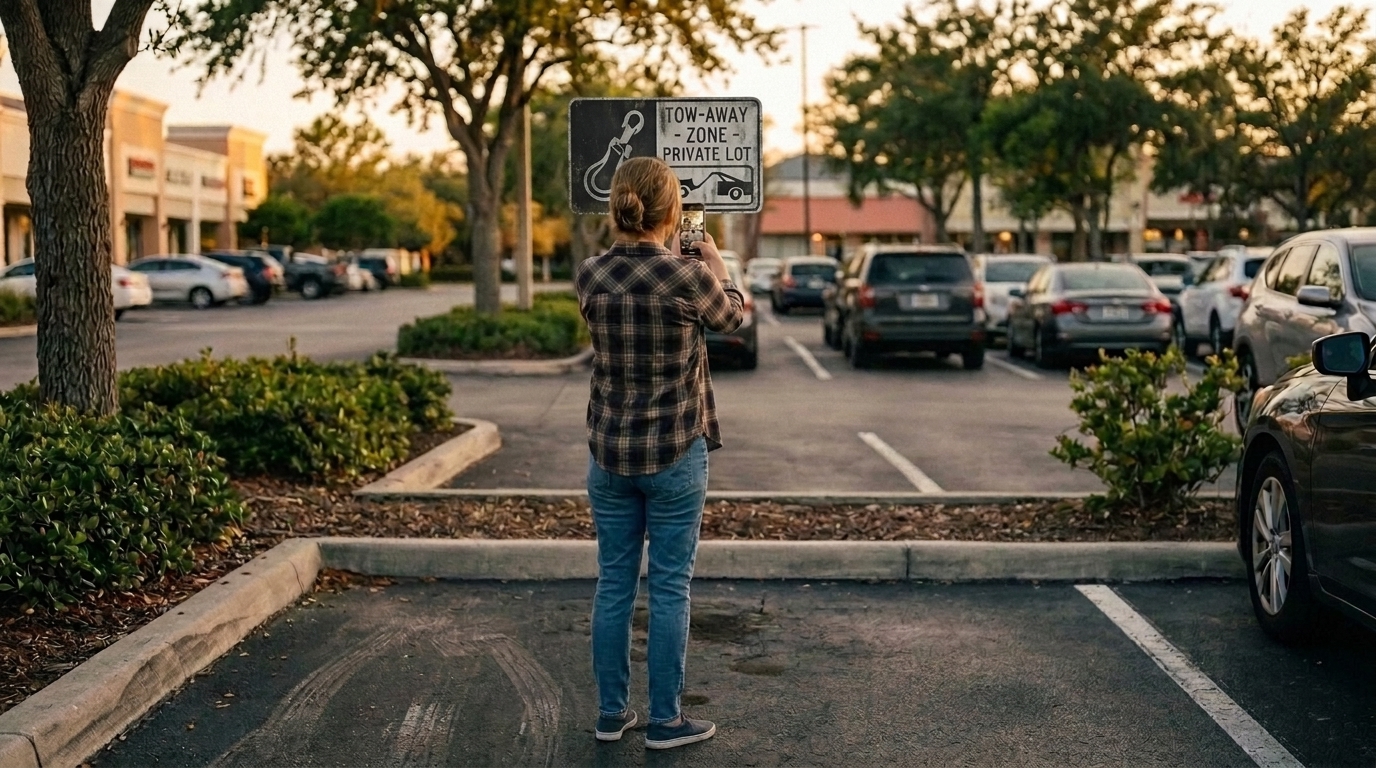
If a car has already disappeared from one of these places that tow cars, the first step is checking for posted signage at the original parking spot, since it should list the towing company responsible along with a contact number. Most private lot tows in Chicago end up at a specific storage facility rather than the city impound, so identifying the correct company early saves time compared to guessing or calling several numbers before finding the right one. Bring identification, proof of ownership such as a title or registration, and be prepared to pay a release fee before the vehicle is returned. It also helps to take photos of the original signage and the parking spot itself if possible, since that documentation matters if there is ever a disagreement about whether the tow was justified. If something about the tow seems improper, such as missing signage or an unreasonable fee, Illinois law gives vehicle owners the right to formally dispute the charge afterward.
Avoiding These Places That Tow Cars for Good
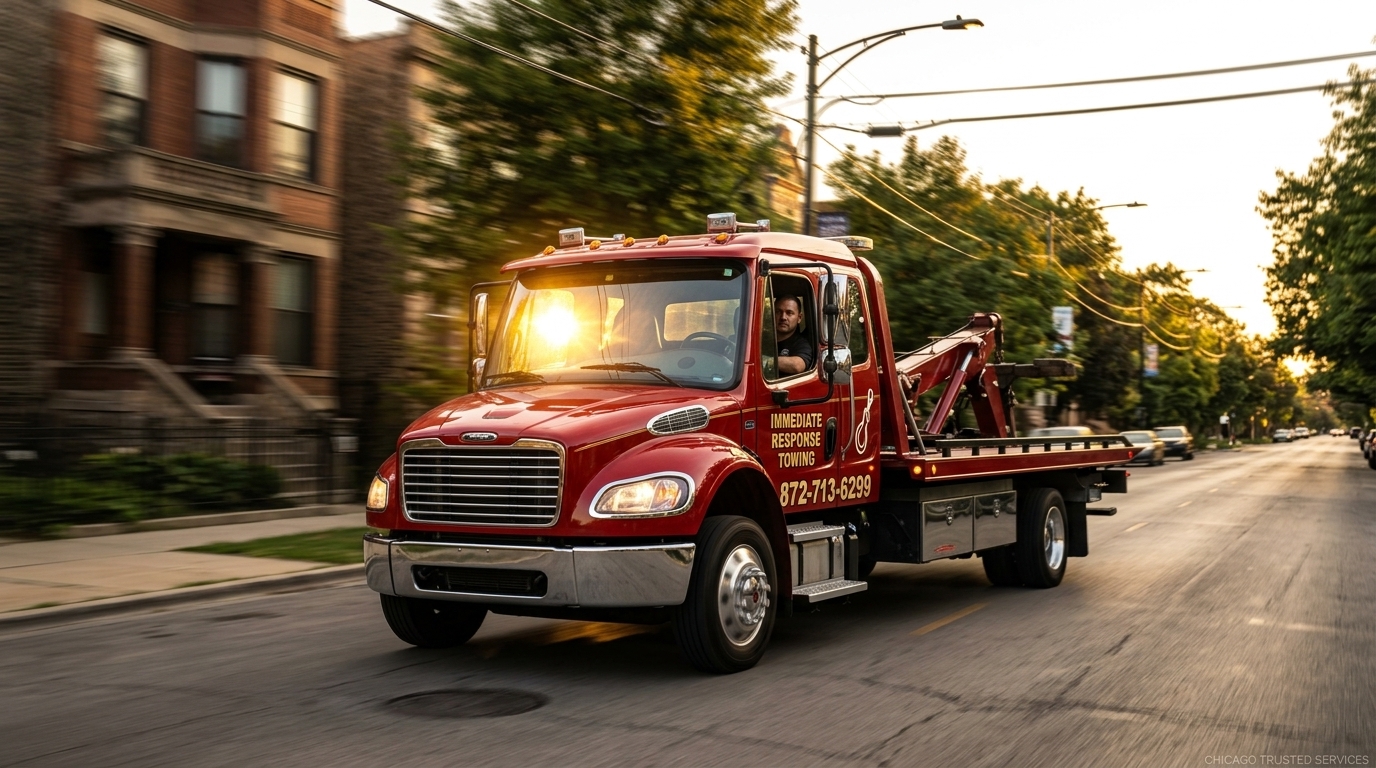
The simplest way to avoid this entire situation is to slow down for ten extra seconds before parking somewhere unfamiliar and actually read the posted signs, especially around apartment complexes, gated lots, and anywhere near a fire lane. A quick glance at the curb, the entrance, and any posted notice can save an entire afternoon of tracking down a vehicle and paying a fee that was completely avoidable. When a legitimate breakdown or emergency does happen instead, and a vehicle genuinely needs to be moved, Chicago drivers can request a tow from Immediate Response Towing rather than risking an unfamiliar lot, with response times typically falling between fifteen and thirty minutes across the city and surrounding suburbs. Unlike the private lot operators enforcing parking violations, this kind of towing service exists to help you, not to catch you off guard.
Knowing which places that tow cars most aggressively across Chicago, why private lots enforce so strictly, and what the law actually allows gives you real protection the next time you park somewhere unfamiliar. A few extra seconds reading a sign is a small price compared to the time, money, and frustration of tracking down a vehicle that should never have been towed in the first place, especially when the whole ordeal was so easy to avoid.