Roadside Assistance Towing in Chicago: When a Quick Fix Becomes a Tow
Roadside Assistance Towing in Chicago: What Happens When a Quick Fix Turns Into a Tow
Most breakdown calls do not start with the words "I need a tow." They start with "my car will not start," "I have a flat," or "I locked my keys inside." Only later, after a technician looks at the problem, does it become clear whether a quick fix will do or whether the car needs to ride on a truck. That path from a simple roadside call to a full tow is rarely explained, and not understanding it can lead to wasted time or avoidable damage. This guide walks through how roadside assistance towing really works in Chicago, what a technician tries first, how to tell when a tow is the smart move, and how to choose a crew you can trust.
Roadside Assistance vs Towing: Where One Ends and the Other Begins
Roadside assistance covers fixes that get you moving where you are. Examples include a jump start for a dead battery, a spare tire swap, a small fuel delivery, and help with a lockout. Towing begins when the car cannot be safely repaired or driven and needs to be moved to a shop, a home, or another safe place.
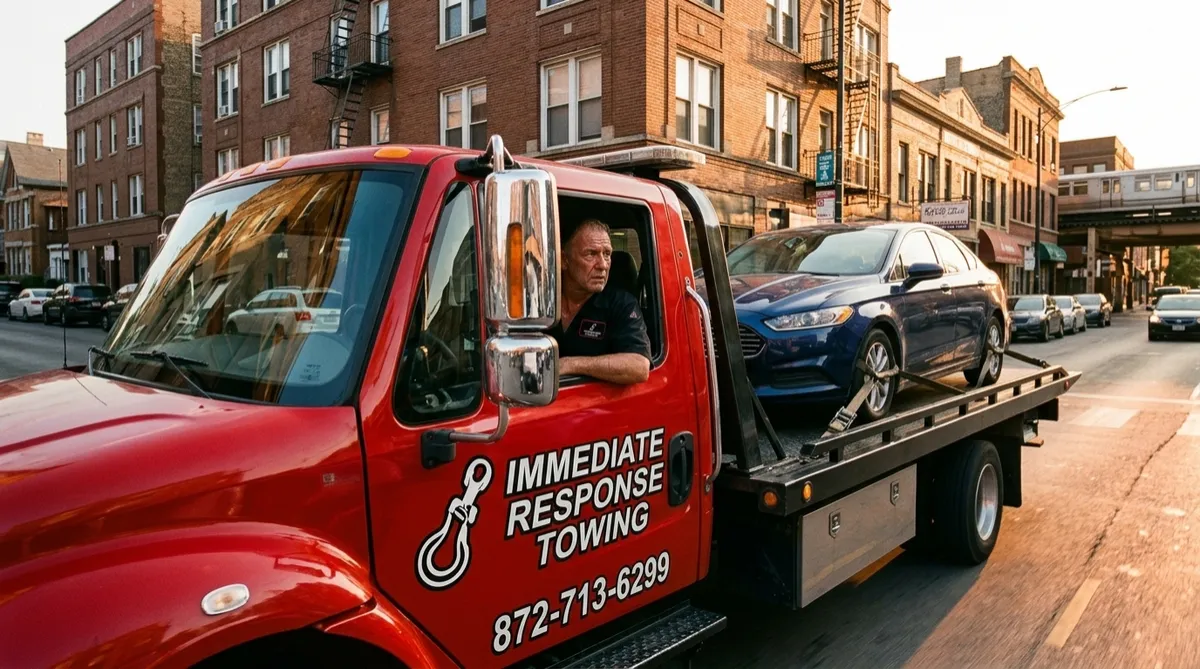
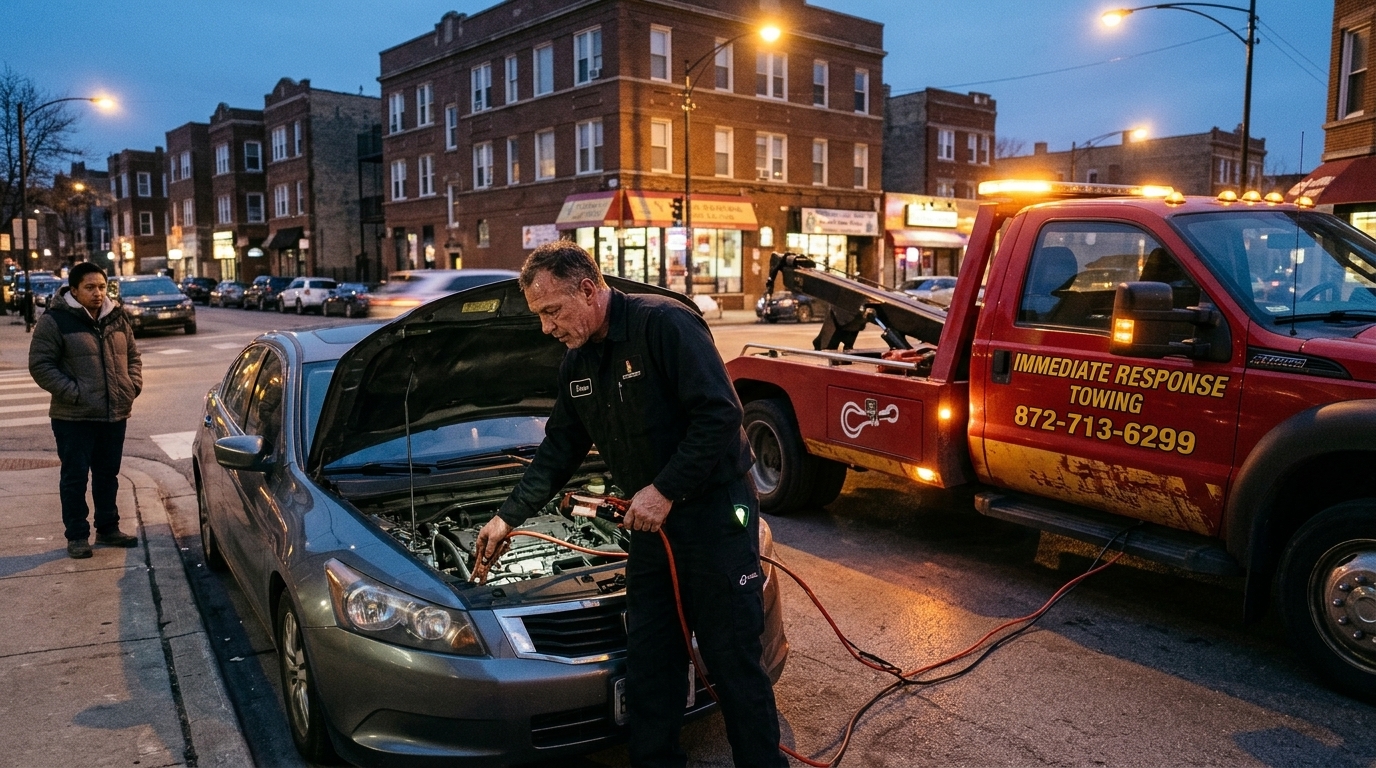
In practice, the two overlap all the time. A truck that arrives for a battery issue may find a failing alternator and switch to a tow. A technician who is sent for a flat may discover wheel damage that makes driving unsafe. When you call a tow truck in Chicago IL, a capable crew arrives with tools for both, which keeps you from waiting on a second visit and lets the person on site make the right call for your car.
The Escalation Ladder: What a Technician Tries First
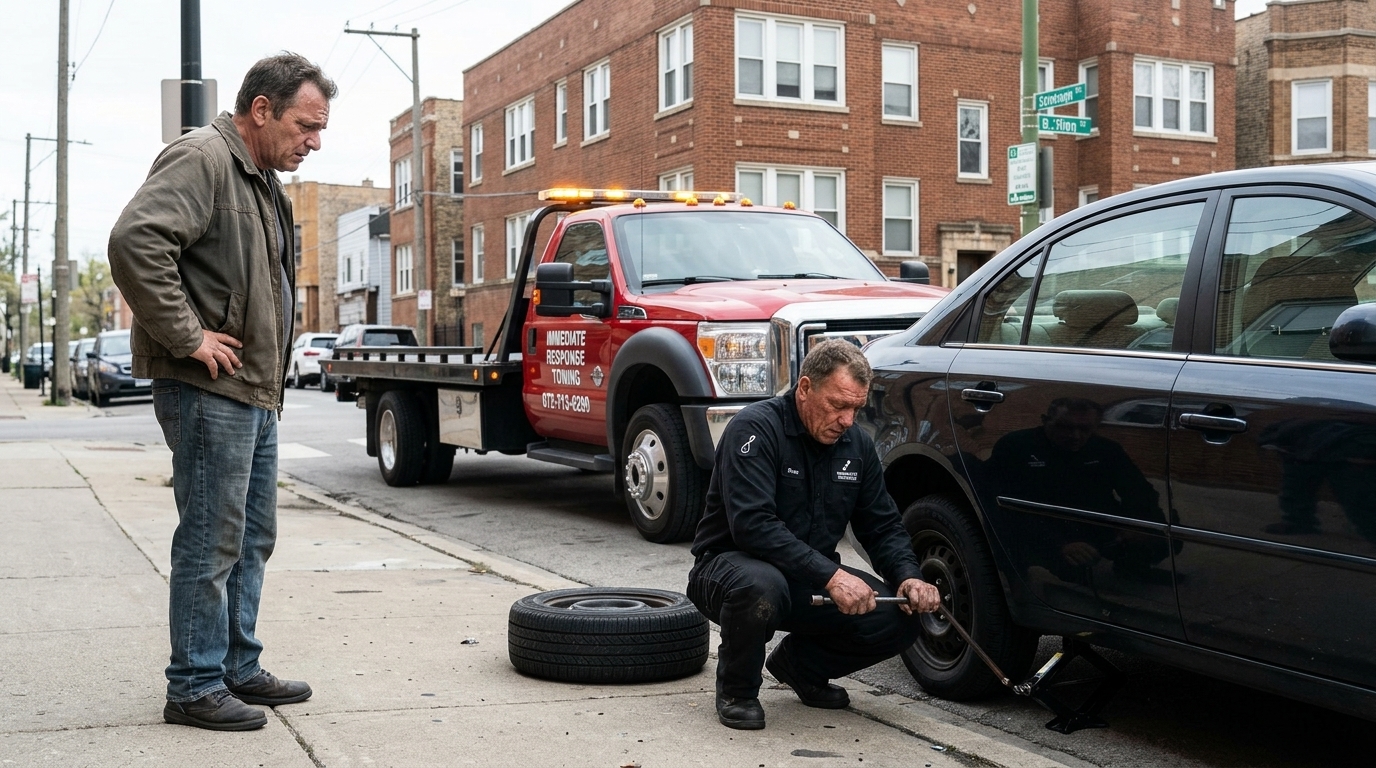
A good technician follows a sensible order, from the simplest and safest step to the most involved. Here is how a typical call unfolds:
Check the scene for hazards, then talk with you about what happened and what you noticed before the problem started.
Test the battery and attempt a jump start if the symptoms point to a weak or dead battery.
Inspect the tires, and if one is flat, swap in the spare or assess whether the wheel is damaged.
Deliver fuel if the tank is empty, and confirm the car restarts and runs smoothly.
Help with a lockout, using the right tools to avoid scratching or damaging the door.
Decide whether the car can be driven safely or should be towed, and explain that decision to you clearly.
Notice that the last step is a decision, not an assumption. A professional will tell you plainly what they found and why they recommend one path over the other.
Signs Your Call Is Going to Become a Tow
Some problems cannot be fixed at the curb, and recognizing them early saves time. Watch for these clues:
A burning smell, steam, or an overheating gauge usually means the engine should not be driven. Grinding or squealing noises when you try to move can point to brake or drivetrain trouble. Fluid leaking under the car, especially oil or coolant, is a sign to stop. A bent wheel, a damaged tire sidewall, or steering that pulls hard to one side often means a tow is safer than a spare. Soft or spongy brakes are a red flag that no one should ignore. And if the car starts after a jump but dies again soon after, the battery may not be the real problem.
If you see any of these, mention them when you call, so the dispatcher sends the right truck from the start.
Why Letting the Technician Make the Call Saves You Money
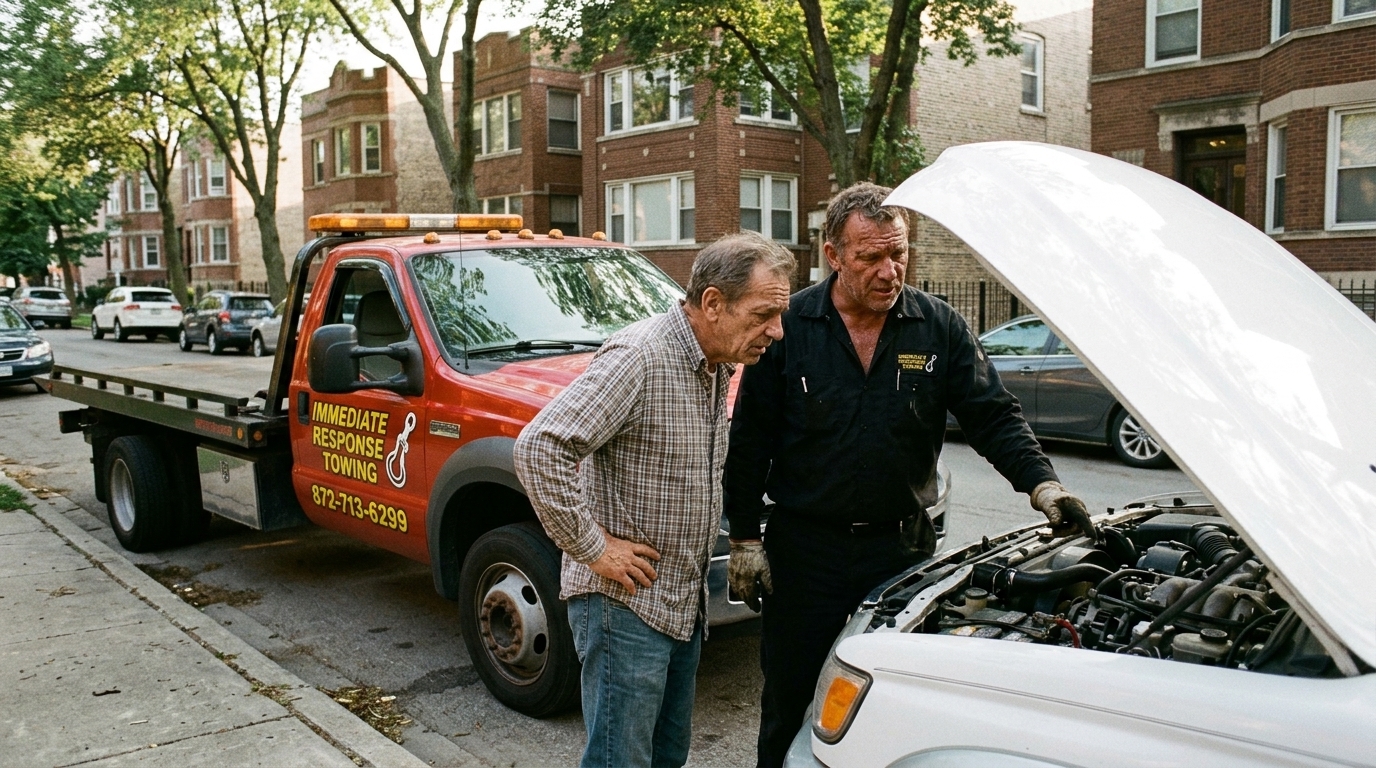
It is tempting to push on and drive a car that is "almost fine." But a drive that makes a small problem worse can turn a modest repair into a large one. An overheated engine, a damaged transmission, or a wheel that fails on the road can cost far more than the price of a tow.
A professional who inspects the car on site gives you an honest answer and a plan. Sometimes the answer is good news: a jump start is all it needs, and you save the cost of a tow. Other times the answer is a tow, and you avoid a much bigger bill. Either way, you are making a decision with information instead of guesswork.
Chicago Conditions That Turn Roadside Calls Into Tows
Local conditions shape the kinds of calls drivers make. Cold winter mornings drain weak batteries, so jump starts spike at the first freeze. Potholes in spring can bend wheels and damage tires and suspensions in a single hit. Road salt creeps into brakes, hinges, and electrical connections, causing problems that show up later. Summer storms flood viaducts, and a car that stalls in standing water usually needs a tow, not a restart.
Knowing these patterns helps you prepare. Check your battery before winter, inspect your tires in spring, and avoid driving through water of unknown depth. If your car does fail, a crew that works these roads daily knows what to look for.
Choosing a Towing Company Chicago Drivers Can Count On
When you search for a towing company Chicago residents trust, or compare tow trucks Chicago crews offer, a few traits stand out. Look for a company that answers calls promptly and asks about your problem before sending a truck. Ask whether the truck carries equipment for jump starts, tire changes, fuel, and lockouts, as well as a flatbed for towing. Ask for a clear price, including any service fee, before work begins.
A good towing service Chicago drivers recommend explains what it is doing and why, and does not push a tow when a quick fix will do. Immediate Response Towing is the kind of local crew worth saving in your phone, since a direct, honest conversation at the start sets the tone for the whole job.
A Note on Longer Trips
Sometimes the decision after a roadside call is that the car has to go beyond the metro area, such as to a family member's home or a repair facility in another city. If that is your situation, tell the dispatcher early. Long distance towing involves planning around route, timing, and equipment, and it is best handled by a crew that confirms the details before the truck leaves. Ask whether the company handles trips of that length, and request a written quote that covers mileage and any other fees.
Keep a Simple Roadside Kit
A few items in your trunk can shorten many roadside calls. A flashlight, a phone charger, jumper cables, a tire pressure gauge, a reflective vest, and a blanket take little space and can make a big difference. Add your insurance card and the number of a towing company you trust. These simple tools will not replace professional help, but they will make the wait safer and the conversation easier.
Know the Path Before You Need It
A roadside call is rarely just one thing. It is a short journey from a problem to a diagnosis to a decision, and understanding that path lets you stay calm and ask the right questions. When you work with a crew that checks the simple fixes first and recommends a tow only when needed, you protect your car and your wallet.
For roadside help and towing that treat your time and your vehicle with care, reach out to Immediate Response Towing and save the number for the next time your car needs a hand.