
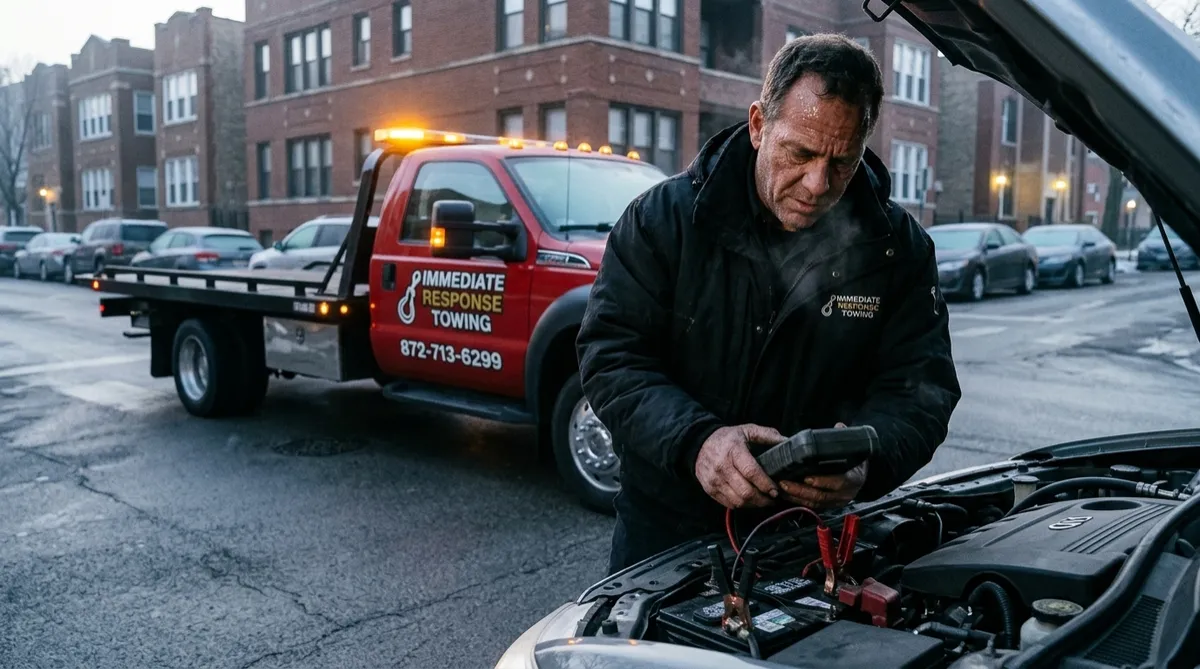
Signs of a Dying Car Battery: 8 Warning Signs and What to Do Next
Signs of a Dying Car Battery: Eight Warning Signs and What to Do Before You Get Stranded
A car battery rarely fails in a dramatic way. Most of the time it fades quietly for weeks, giving small hints that something is wrong, and then one cold morning the engine only clicks and you are stuck. The good news is that those hints are easy to spot once you know what to look for. This guide covers the signs of a dying car battery, how to check yours at home, how to tell battery trouble from an alternator problem, and what to do the moment you notice the warning signs. A few minutes of attention now can save you from a ruined morning and an unplanned call for roadside help later.
Why Batteries Fail Without Much Warning
A car battery stores the electrical energy needed to start the engine and power the electronics when the engine is off. Over time, the chemical reaction inside weakens, and the battery holds less charge. Most batteries last roughly three to five years, though heat, cold, short trips, and heavy electronics use can shorten that.
Short trips are a quiet culprit. If you mostly drive a few minutes at a time, the alternator never gets a chance to fully recharge the battery after each start. Extreme temperatures also take a toll. Summer heat speeds up internal wear, while winter cold makes it harder for a weak battery to deliver enough power. By the time you notice a problem, the battery has often been declining for a while.

The Signs of a Dying Car Battery
Recognizing the early signs of car battery dying can give you time to fix the problem on your own schedule instead of on the side of the road. Watch for these eight clues:
The engine cranks slowly, sounding sluggish or labored when you turn the key or press the start button.
Headlights, dashboard lights, or interior lights look dim, especially when you start the car.
You hear a rapid clicking sound but the engine does not turn over.
The battery warning light or a check engine light comes on.
Electrical accessories behave strangely, such as power windows moving slowly or the radio resetting.
The battery case looks swollen, bloated, or cracked.
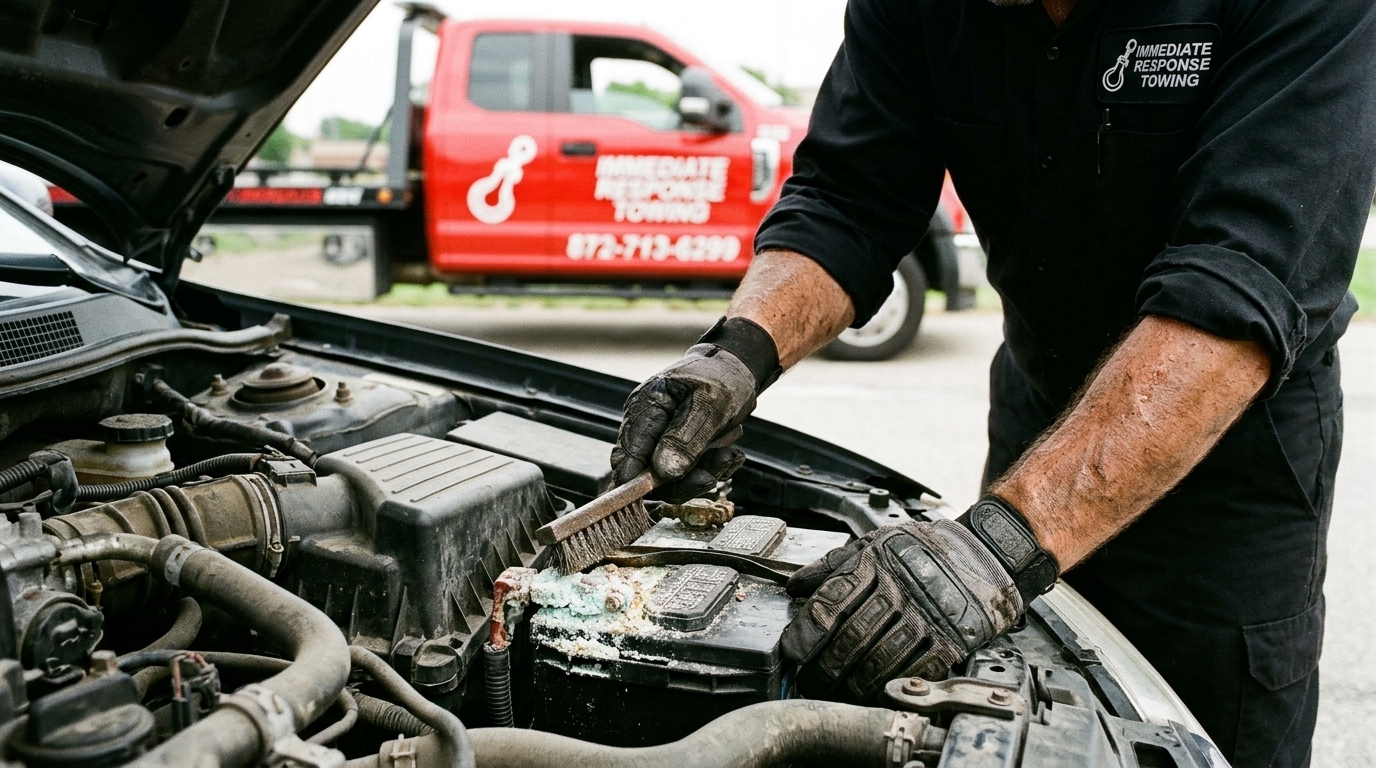
You see white, blue, or greenish crusty buildup around the terminals.
The battery is more than three or four years old, or you have needed a jump start more than once.
Any one of these is worth noting. Two or more together are a strong sign that it is time to have the battery tested.
How to Check Your Battery at Home
You do not need to be a mechanic to learn a lot about your battery. Start with a simple look. With the engine off, open the hood and check the battery for cracks, swelling, leaks, or heavy corrosion around the terminals. A strong rotten egg smell can mean the battery is leaking and should be handled carefully by a professional.
Next, try the headlight test. Turn on the headlights with the engine off and watch them for a minute. If they are weak or dim quickly, the battery may be low. Then start the car and watch whether the lights brighten or dim during cranking. Big drops can mean the battery is struggling.
If you own a multimeter, you can check the voltage. A healthy battery at rest usually reads around 12.6 volts, while a reading near 12.0 volts suggests a low charge. Wear gloves and eye protection, keep metal tools away from both terminals at once, and if you are unsure, skip this step. Many auto parts stores also offer battery tests, which can be a quick, simple way to confirm what you are seeing.
Is It the Battery or the Alternator?
The alternator recharges the battery while the engine runs, so a problem with either one can look similar. A few clues help tell them apart. If the car starts after a jump but dies again soon afterward, the alternator may not be charging properly. If your lights flicker or dim while you drive, or you notice a battery warning light on the dash while the engine is running, the alternator is a suspect. If the car will not start but runs normally after a jump and keeps running, the battery is more likely the issue.
When a multimeter is available, the voltage across the battery with the engine running is usually higher than at rest, often in the low to mid fourteens. A reading that stays near the resting level suggests the alternator is not doing its job. If you are unsure, a professional test gives a clear answer and prevents you from replacing the wrong part.
What Cold Weather Does to a Weak Battery
Cold is the moment of truth for an aging battery. Low temperatures slow the chemical reaction and thicken engine oil, which means the engine needs more power to start while the battery has less to give. A battery that worked fine in October can fail on the first freezing morning of the season.
If you live in a place with real winters, like Chicago, a battery check before the cold arrives is one of the smartest habits you can build. If your battery is already showing a few of the signs above, do not wait for the cold to decide for you.
What to Do When the Signs Show Up
Once you notice the warning signs, act sooner rather than later. Get the battery tested, and if it is weak, replace it before it leaves you stranded. Avoid relying on repeated jump starts, since they hide the problem and can put stress on the electrical system.
Clean any corrosion from the terminals carefully, and make sure the connections are tight. Keep a set of jumper cables and a flashlight in the car. If you mostly take short trips, take a longer drive every so often so the alternator can fully recharge the battery. And if the case looks swollen or is leaking, do not attempt to jump it. That kind of battery needs professional handling.
When You Are Already Stuck
If the car will not start, stay calm and stay safe. Turn on your hazard lights, set the parking brake, and move out of traffic if you can do so safely. If a friend has jumper cables and you are in a safe spot, a jump may work, but only if the battery shows no sign of swelling, cracking, or leaking.
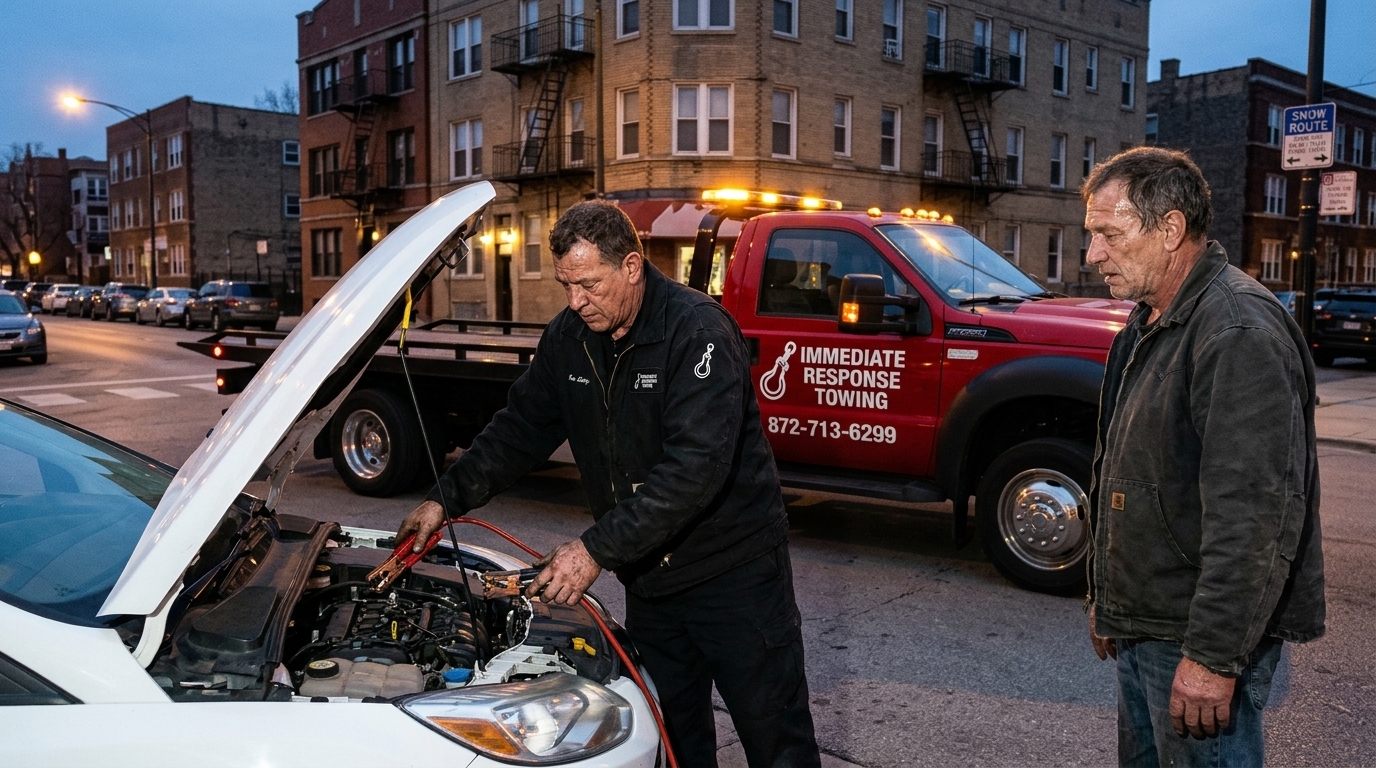
If you are unsure, or if the car is in a dangerous place, call for help. A professional crew can test the battery, attempt a jump start if it is safe, and tow the car if the problem is bigger than a dead battery. A local team such as Immediate Response Towing can help you work out which situation you are in and get you moving again.
Prevent the Next Surprise
A few simple habits keep your battery healthier. Have it tested once a year after the three year mark. Keep the terminals clean and tight. Turn off lights and accessories before shutting off the engine. Avoid leaving the car sitting for weeks without driving it. And replace the battery when tests show it is weak, not after it fails.
Pay Attention Early
The signs of a dying car battery are usually clear if you know where to look. Slow cranking, dim lights, clicking sounds, and a battery that is several years old are all reasons to act. A small check now beats a tow later.
If your car does leave you stuck, contact Immediate Response Towing and let a Chicago crew help you get back on the road safely.