Tow Truck and Car: How the Truck Is Built to Carry and Protect Your Vehicle
Tow Truck and Car: How the Truck Is Built to Lift, Carry, and Protect Your Vehicle
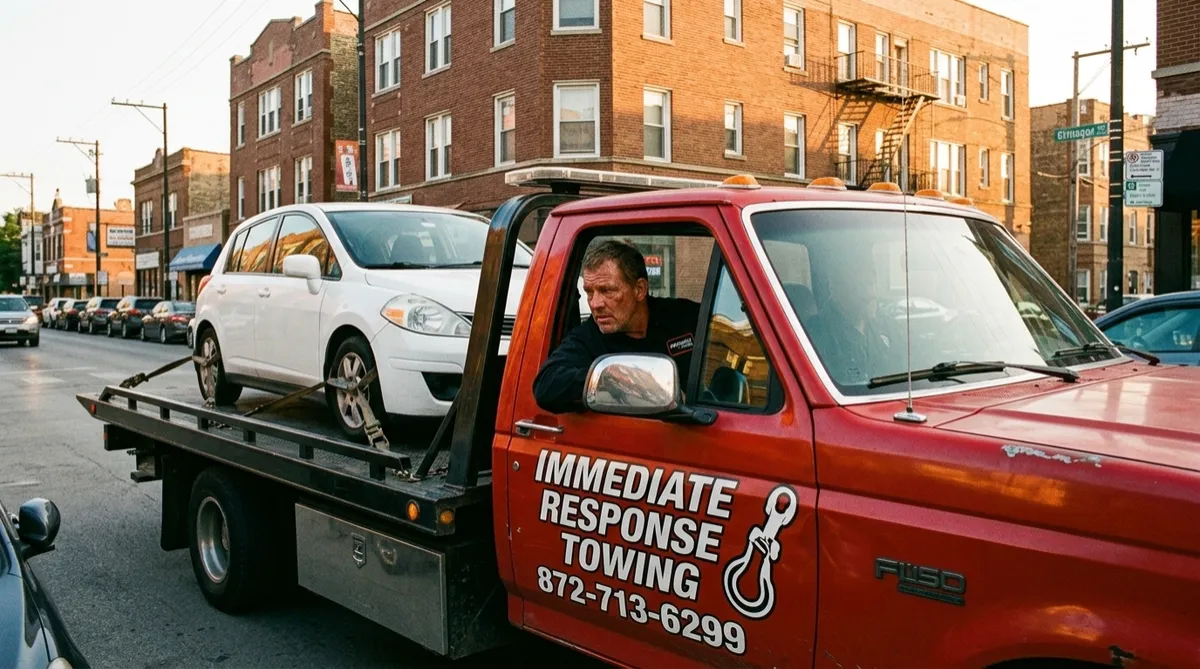
Most of us see a tow truck and car together for a few seconds from the driver's seat of our own vehicle, and we rarely think about what is going on. It looks simple: the car goes up, the truck drives away. In truth, every part of the truck is designed to solve a specific problem, from the angle of the bed to the type of strap, and every tow is a careful match between the truck and the vehicle it carries. This guide pulls back the curtain so you can understand how a tow truck car pairing works, what each piece of equipment does, and what you can do to help the match go smoothly.
The Anatomy of a Modern Tow Truck
A tow truck is more than an engine and a hook. It is a purpose built machine with several systems working together. Knowing the main parts helps you understand what the driver is doing when they arrive at your car.
The Bed
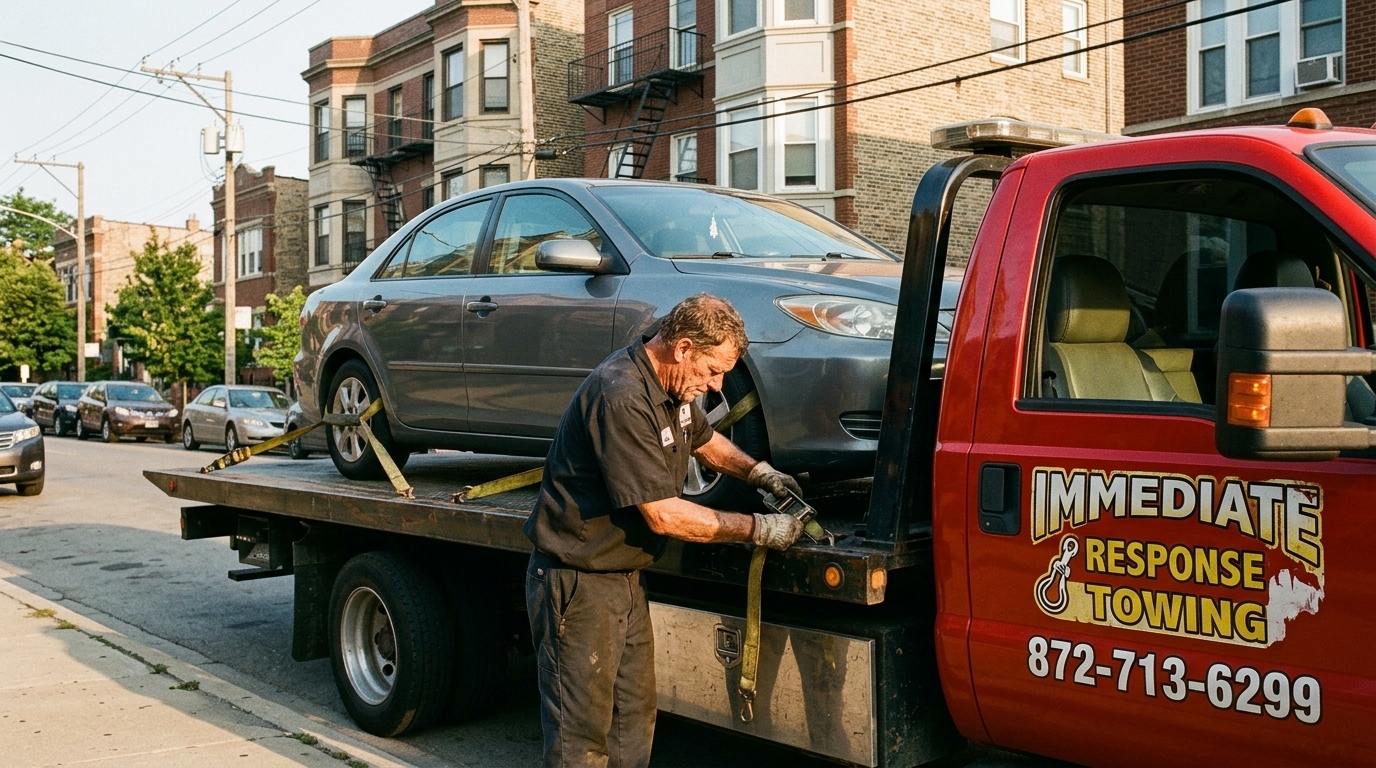
On a flatbed, the bed is a long platform that tilts and slides backward to form a ramp. Once the car is on board, the bed levels out, and the car rides flat and secure. This design keeps all four wheels off the ground, which is why it is gentle on drivetrains and suspensions.
The Winch and Cable
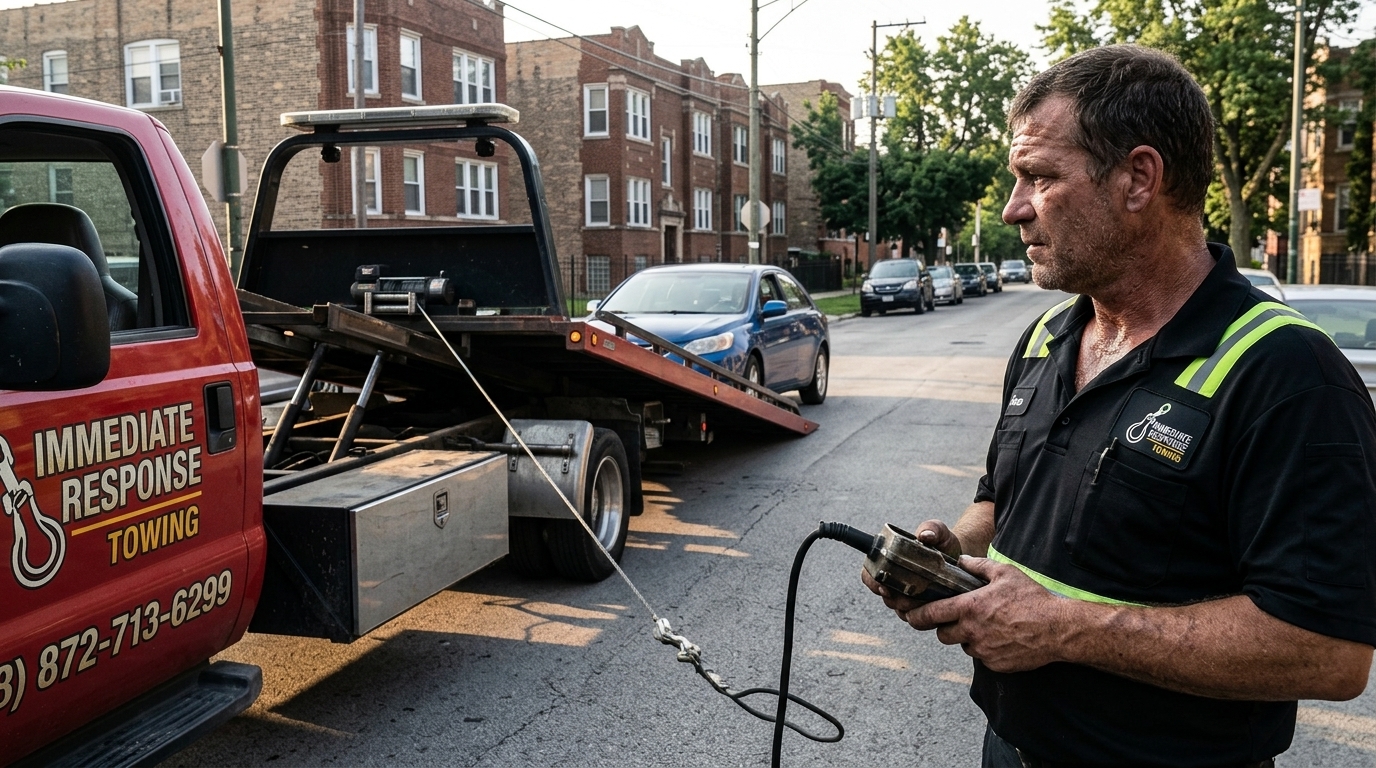
The winch is a powerful motor with a strong cable or strap that pulls a car up the ramp slowly and in a straight line. Operators control it with a remote, so they can stand where they have the best view of the car and the ramp.
The Wheel Lift and Boom
On trucks built for lifting, a wheel lift cradles the tires of one end of the car and raises it, while the other end rolls. A boom adds reach and lifting power for recovery work. These tools are useful for short moves and tight spaces.
Lights and Safety Equipment
Amber warning lights, work lights, cones, and reflective gear help other drivers see the scene. Good lighting is especially important at night and in bad weather, when visibility is poor and traffic moves fast.
Matching Truck Size to Car Size
A smart tow starts with weight. Tow trucks are generally grouped into light duty, medium duty, and heavy duty categories, and each is built for a range of vehicle weights and sizes. Light duty trucks handle most passenger cars, small SUVs, and compact pickups. Medium duty trucks take on larger SUVs, full size pickups, and vans. Heavy duty trucks are reserved for buses, box trucks, and other large vehicles.
Using a truck that is too small for the vehicle is not just inefficient. It can overload the equipment, strain the tires and axles, and put everyone on the road at risk. That is why a professional dispatcher asks about your vehicle type before sending a truck. The right match keeps the tow safe and keeps your car in one piece.
Ground Clearance and Ramp Angles: Why Low Cars Need Extra Care
Some cars sit so low that a standard ramp angle can scrape the front bumper or the underside of the car as it climbs. Long wheelbase vehicles can also bottom out at the point where the ramp meets the bed. A skilled operator knows how to handle this, using lower bed angles, wooden blocks, or special ramps to give the car more room.
If your car is lowered, has a body kit, or has unusually low clearance, tell the dispatcher when you call. They can send the right truck and plan the approach. A car that is trimmed, modified, or loaded differently from stock may need a different setup than a standard sedan, and that information makes the whole job smoother.
Six Tools a Driver Uses to Protect Your Car
Behind every smooth tow is a toolkit designed to hold the vehicle without damaging it. Here are six common pieces of equipment you may see:
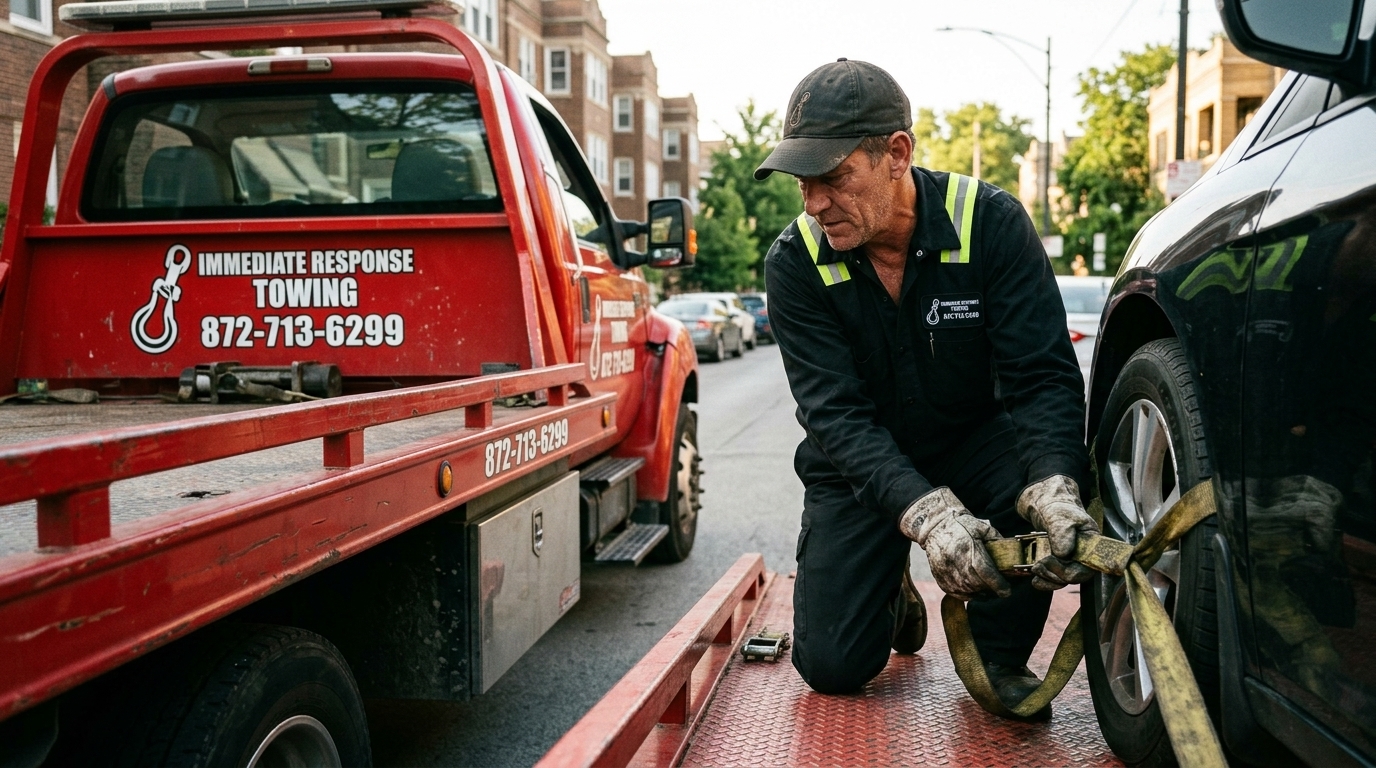
Wheel nets or straps that wrap over the tires and secure them to the bed without touching the paint or frame.
Soft axle straps or chains with protective hooks that attach to rated points under the car.
Wheel chocks that keep the car from rolling while it is being loaded.
Wheel dollies or skates that allow a car with a locked or damaged wheel to be moved safely.
Safety chains that provide a backup if a primary strap loosens.
A remote controlled winch that lets the operator pull the car up the ramp with precision.
A trained operator chooses the right combination based on your car, and checks each piece before the truck moves.
Why Weight and Balance Matter on the Road
Once your car is on the truck, the way the weight is distributed affects how the truck handles. A car that sits too far forward or backward can change how the truck steers and brakes. A properly loaded vehicle is positioned so that its weight is balanced over the truck's axles, and secured so it cannot shift during turns or sudden stops.
This is why careful operators take a moment after loading to walk around, check each strap, and confirm that the car is stable. It may seem like a small step, but it protects you, your car, and everyone sharing the road. Cargo inside the car can also affect balance, so removing heavy items before the tow is a smart idea.
What You Can Do to Help the Truck and Car Match Up
A few details from you can make a big difference. When you call, share the make, model, and year of your vehicle, and mention any modifications such as a lift kit, lowered suspension, oversized tires, or a bike rack. If the car is loaded with cargo, say so. If it cannot roll or steer, mention that as well.
You should also mention whether the vehicle is all wheel drive or electric, since those types often need a flatbed. The more complete your description, the better prepared the crew will be, and the less time everyone spends solving surprises at the roadside.
Behind Every Smooth Tow Is a Good Match
A tow truck and car pairing is a lot more thoughtful than it looks. The bed, the winch, the straps, and the lights all work together, and the right match between the truck and your vehicle is what keeps everything safe. When the crew understands your car and has the right equipment, the tow becomes a calm, predictable process.
If you want a Chicago team that treats every tow truck and car match with care, reach out to Immediate Response Towing and let a trained crew handle the rest. Save the number so a skilled team is only a call away the next time your vehicle needs a ride from Immediate Response Towing.