Towing Place Guide: What Available Towing Looks Like and Where Your Car Goes
Towing Place Guide: What a Good Yard Looks Like, What Towing Is Available, and Where Your Car Goes
The phrase "towing place" sounds simple, but it means different things depending on who is typing it. One driver wants a company that can send a truck right now. Another wants to know where their car ended up after a tow. A third is trying to figure out whether a business has the right equipment for a specific vehicle. All three are really asking the same question: where can I count on help, and what will it look like when I get there? This guide explains what a well run towing place offers, what types of available towing exist, and how to track down your car if someone else had it moved.
What "Towing Place" Really Means
When people search for a towing place, they usually mean one of three things. The first is a company: a business with trucks, drivers, and dispatchers that you can call. The second is a facility: the yard or lot where vehicles are stored or staged. The third is a destination: the spot a car is taken to, whether that is a repair shop, a home address, or a storage lot.
Understanding which one you need helps you ask better questions. If you need help immediately, you care about the company and its trucks. If your car has already been moved, you care about the facility and how to retrieve it. If you are planning a tow in advance, you care about the destination and how smoothly the handoff will go.
Inside a Well Run Towing Place
You can learn a lot about a business by picturing what happens behind the scenes. A professional operation usually has several parts working together:
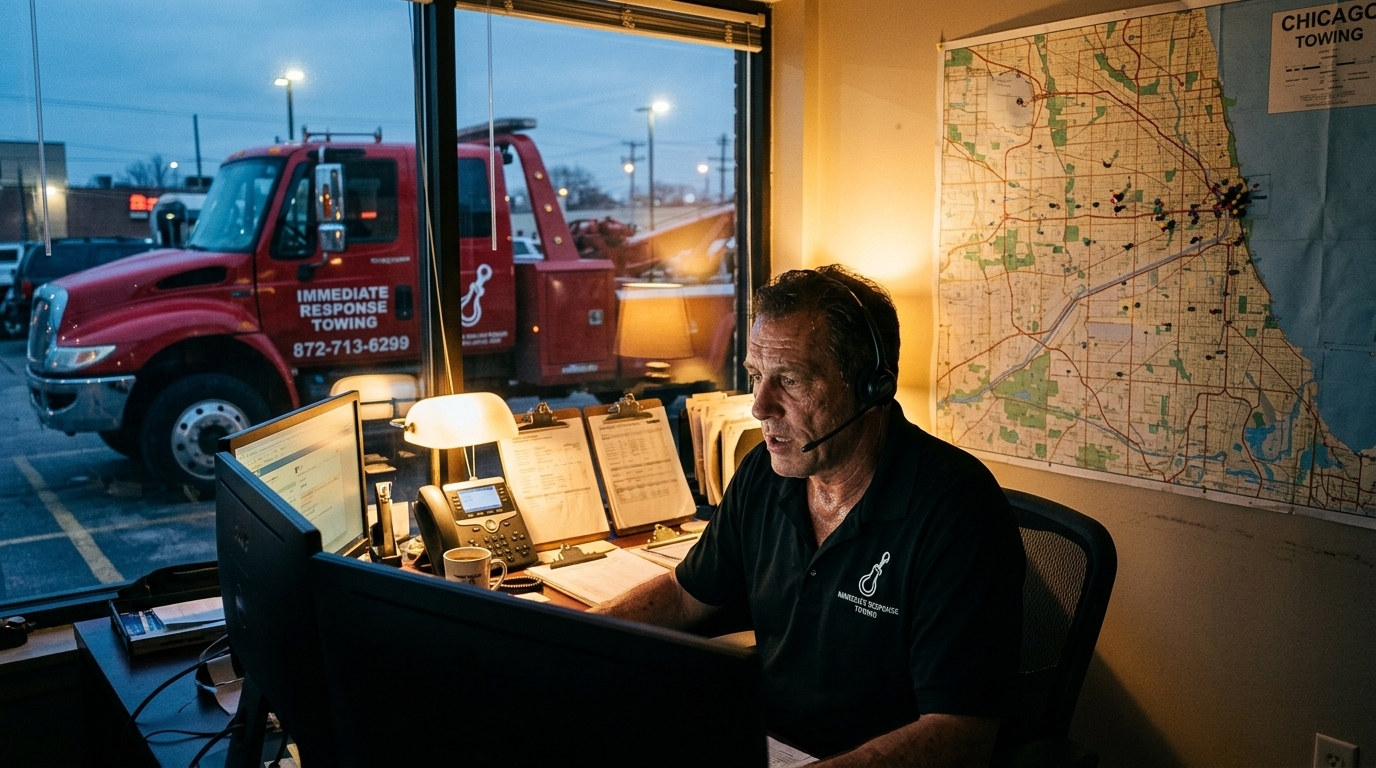
A Real Dispatch Desk
Calls are answered by trained staff who ask clear questions and assign the right truck. Good dispatch keeps records of every job, which helps when you need to confirm times or details later.
A Mixed Fleet
Different vehicles need different trucks. A varied fleet means the crew is not forced to improvise when your car is low to the ground, loaded with cargo, or powered by a battery instead of gas.
A Secure, Organized Yard
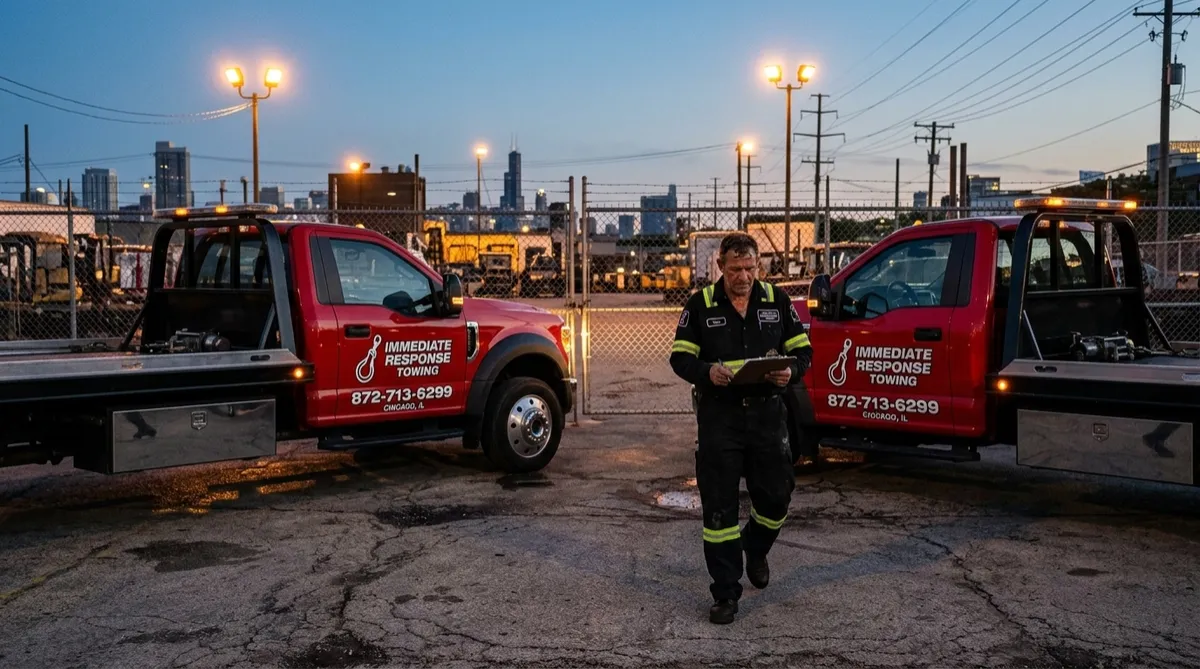
If your vehicle ever spends time in a lot, the facility should be fenced, well lit, and organized, with each vehicle logged on arrival. Cameras, controlled access, and clear records protect both the customer and the company.
Trained, Uniformed Staff
Operators who wear uniforms, carry identification, and follow consistent procedures make the whole process more predictable and trustworthy.
Available Towing: Matching the Truck to Your Vehicle
When a company says it offers available towing, it helps to know what that covers. Different jobs call for different tools, and a capable provider can handle a range of situations. Here are the main types you may encounter:
Flatbed towing, which carries the entire vehicle off the ground and suits most modern cars, including all wheel drive and electric models.
Wheel lift towing, which raises one end of the car and works well for short, simple moves.
Heavy duty towing, which handles larger vehicles such as box trucks, vans, and work vehicles.
Motorcycle towing, which uses specialized straps and cradles to protect two wheeled bikes.
Accident recovery, which safely removes damaged vehicles from crash scenes.
Winch out recovery, which pulls vehicles from ditches, snowbanks, mud, and tight spaces.
Matching the right method to your vehicle is not a luxury. It is the difference between a smooth tow and an expensive repair, so it is worth asking which one will be used.
Where Your Car Goes After the Tow
When you call the tow yourself, you decide where the car goes, and that is one of the biggest advantages of working with a professional. You can choose your own mechanic, a dealership, your home, or a storage location. Tell the dispatcher your preferred destination when you call, and confirm its hours so the crew does not arrive at a closed door.
If you are dropping the car at a shop after hours, ask the driver about secure drop off options and note where the keys will be left. Take a quick photo of the vehicle at delivery and keep your receipt. These small habits make the handoff smoother and give you a clear record if questions come up later.
What If Someone Else Had Your Car Towed?
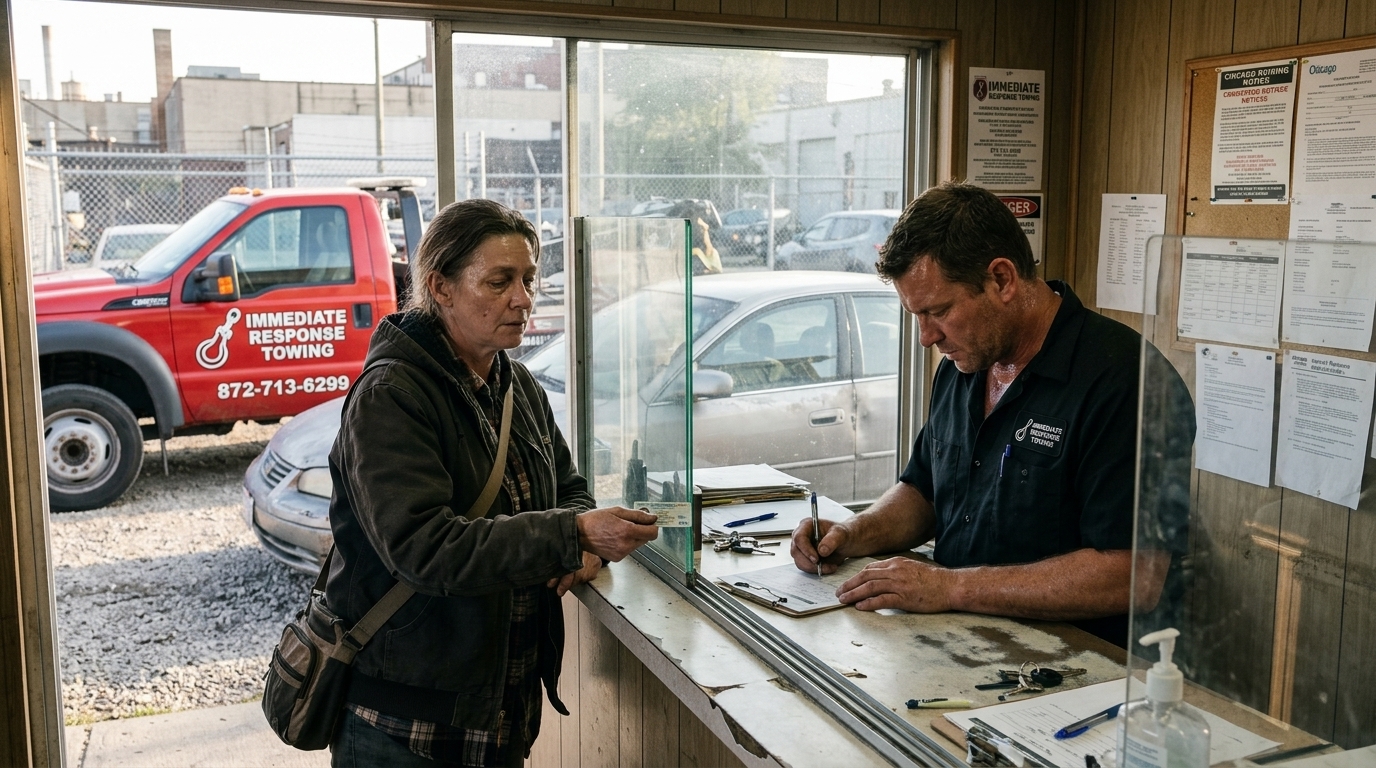
Sometimes a car is moved without your involvement, such as from a private lot, after a parking issue, or following an incident handled by authorities. In that case, the search for a towing place becomes a search for your own car, which can feel stressful.
Start with the basics. Check where you left the car and look for posted signs that name the company responsible. Contact the property owner or manager, since they usually know which company they use. In Chicago, the city's 311 service is a common starting point for locating a towed vehicle. When you find the right yard, bring identification, proof of ownership, and any registration or insurance documents, and ask for a clear explanation of the fees before you pay. Because rules and fees can vary, always ask the facility to explain what applies in your situation.
Questions to Ask About Storage and Yard Security
If your car may spend time in a lot, a few simple questions can give you peace of mind. Ask whether the yard is fenced and monitored. Ask how long the vehicle can be stored and what the policy is for weekends and holidays. Ask what the hours are for pickup and what documents are needed to release the car. And ask whether personal items inside the vehicle will be logged or protected.
A professional business answers these questions calmly and without hesitation. If a facility seems evasive, that is a reason to ask more questions or choose another provider.
How to Tell a Towing Place Is Truly Available
A listing can say a business is open, but only a conversation proves that help is really available. When you call, notice how quickly someone answers and how clearly they respond. Ask whether a truck is free right now and which type it is. Ask for an arrival window and whether it changes based on your exact location.
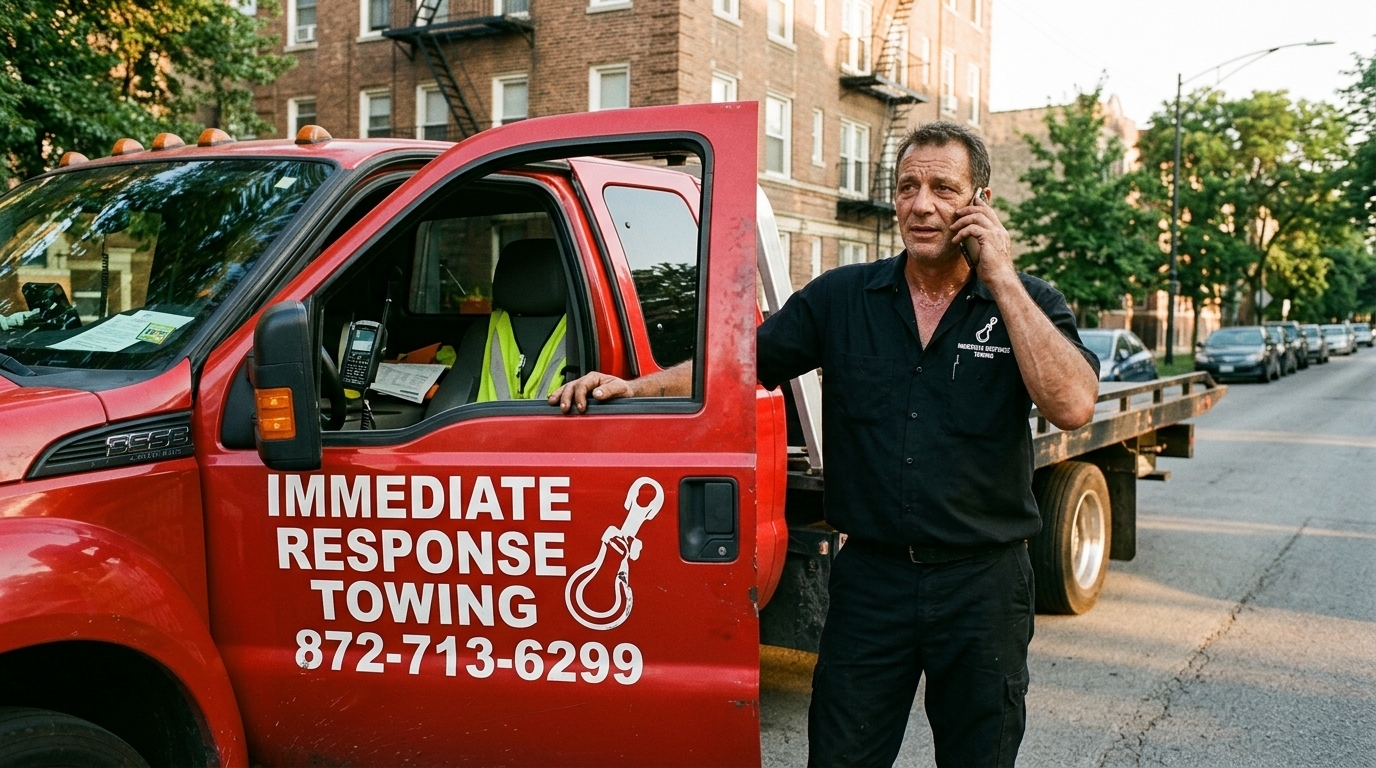
A company with real availability can answer these questions on the spot, because its dispatcher knows where the trucks are. For Chicago drivers who want that kind of clear, direct communication, Immediate Response Towing is the kind of local crew worth keeping in your contacts, since a quick, honest answer is the first sign of dependable service.
Know Your Towing Place Before You Need One
The best time to learn about a towing place is before something goes wrong. Spend a few minutes today deciding which company you would call, what type of truck your vehicle needs, and which shop you would use for repairs. That small bit of planning turns a stressful scramble into a calm decision.
When you want a Chicago team that matches the right truck to your car and explains each step along the way, reach out to Immediate Response Towing and save the number where you can find it fast.