Towing With a Car and Car on Tow: What Every Driver Should Know
Towing With a Car: What an Everyday Car Can Pull and What Happens When Your Car Is on Tow
Two very different questions hide behind the phrases "towing with a car" and "car on tow." The first comes from drivers who wonder whether their sedan or hatchback can pull a small trailer, or even help a friend whose vehicle has stalled. The second comes from drivers whose own car is the one being hauled, who want to know what is happening to it and how to keep it safe. This guide answers both. You will learn what ordinary cars can and cannot do, the main ways a car on tow is moved, why drivetrain type matters so much, and when it is smarter to let professionals take over.
Can an Everyday Car Handle Towing?
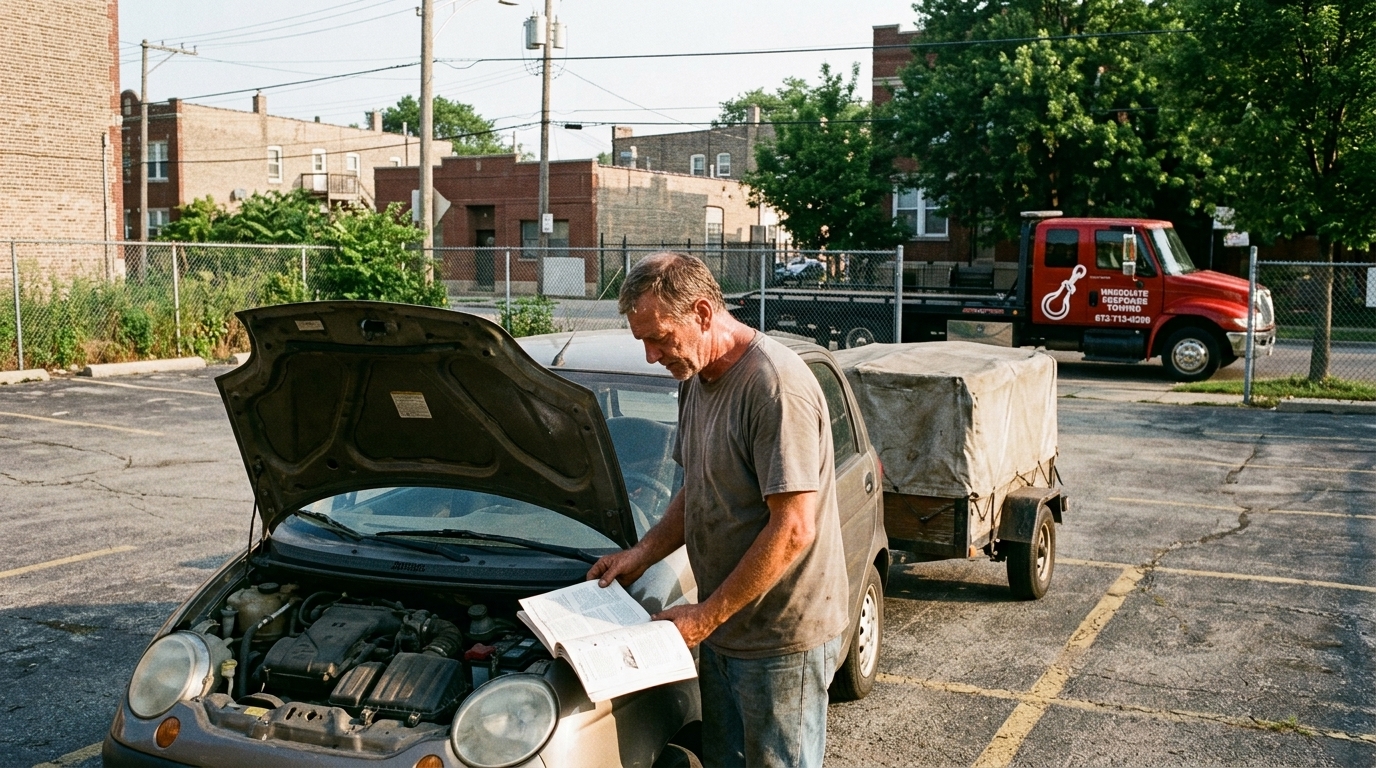
Plenty of passenger cars can tow something, but the answer is almost always smaller than people hope. Many sedans and compact crossovers are rated for light loads only, and some have no tow rating at all. The only reliable place to confirm yours is the owner's manual, which lists the maximum trailer weight and whether a hitch is even approved.
Even when towing is allowed, a few realities apply. A car has a lighter frame, a smaller cooling system, and brakes designed for its own weight, not the added burden of a trailer. Small utility trailers, light cargo carriers, and compact campers within the rating can be fine. Heavier loads put real stress on the engine, transmission, and braking system, and the results can include overheating, poor stopping, and swaying at highway speed. If your manual says no, treat that as a firm answer.
Towing Another Car With Your Car: The Risky Shortcut
Sometimes a friend's car dies and someone suggests a quick pull with a rope or strap. It looks easy in movies, but it is one of the riskiest things drivers attempt. Without the engine running, the towed car loses power steering and power brake assist, which makes it harder to control. The two drivers must coordinate every turn and stop with almost no room for error, and a slack strap can snap taut and damage both vehicles.
Lighting and visibility matter too. The towed car needs working brake lights and signals, and the tow line must be rated for the load and attached to proper anchor points. Many areas also have rules about towing with straps on public roads. Because of all this, a short, slow pull in a parking lot may work, but anything longer or on a busy street is better left to a professional crew with the right equipment.
Three Ways a Car Ends Up on Tow
When a professional moves your car, there are three common methods. Understanding each one helps you ask the right questions and spot a mismatch before it becomes a problem.
Flatbed
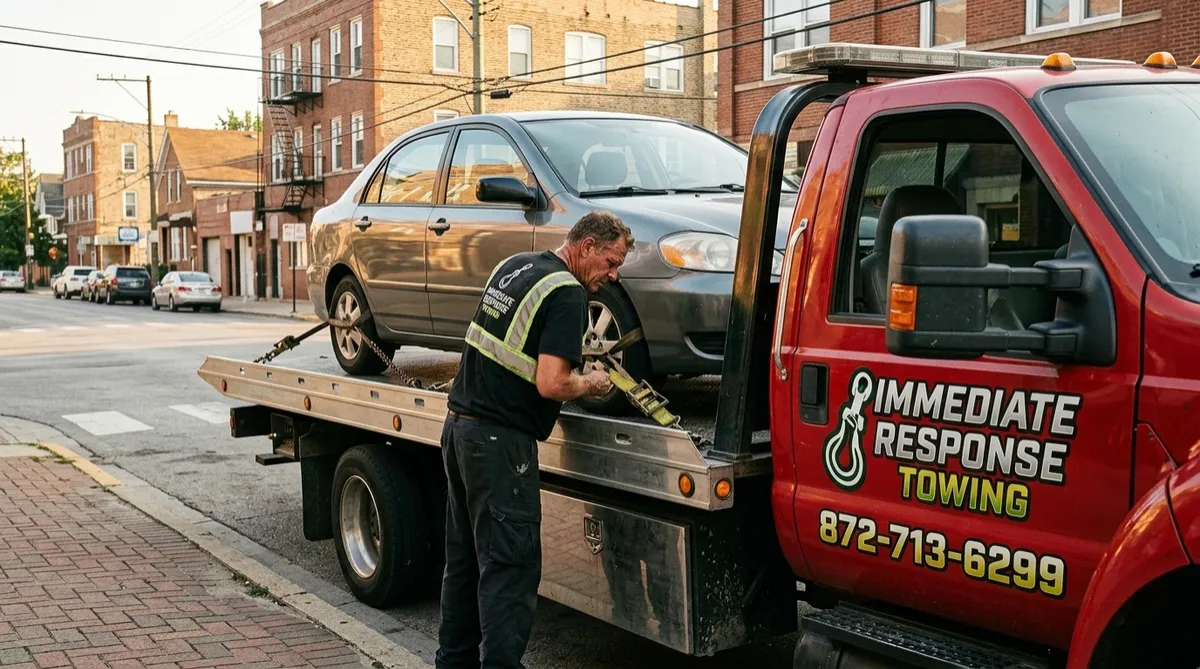
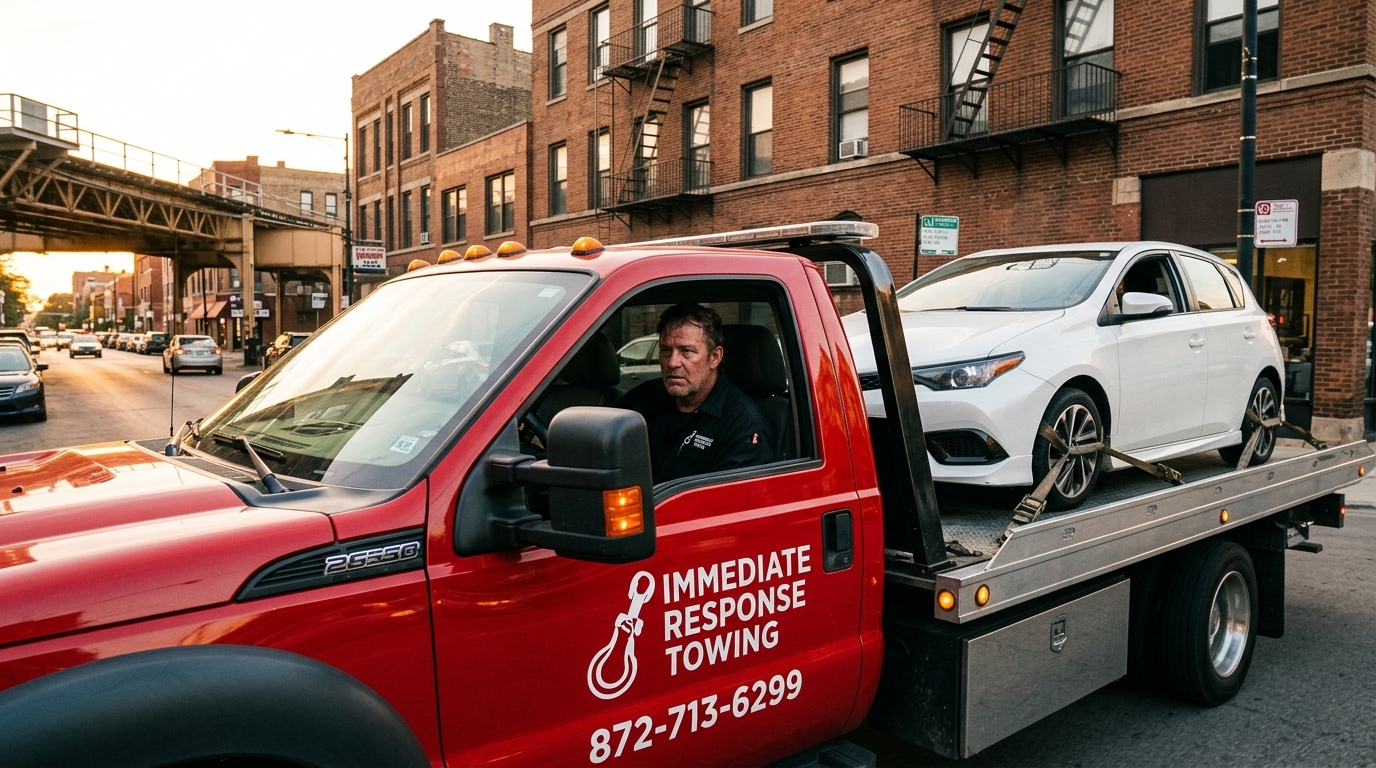
The entire car rides on the bed of the truck with all four wheels off the ground. This is the safest choice for most modern vehicles, including all wheel drive, low clearance, and electric models, and for cars that have been in an accident.
Wheel Lift
The truck lifts either the front or rear wheels, and the other two wheels roll on the road. This works for short, simple moves and for many front or rear wheel drive cars when the drivetrain allows it.
Tow Bar or Dolly
Some vehicles are pulled behind another vehicle using a tow bar or a small trailer called a dolly that cradles the front wheels. These setups are more common with recreational vehicles, and they require the car to be specifically approved for it.
Why Your Drivetrain Changes Everything
Not every car can be towed the same way, and the reason lives in the drivetrain. In a front wheel drive car, the front wheels power the car, so towing with those wheels on the ground can strain the transmission. In a rear wheel drive car, the opposite is true. All wheel drive systems connect every wheel, so letting any pair roll while the others are lifted can cause damage.
Automatic transmissions often rely on the engine to circulate fluid, so rolling them with the engine off for long distances can cause harm. Manual transmissions can sometimes handle it better, but only in the right gear and condition. Electric vehicles often cannot be rolled on the road at all, and many manufacturers say a flatbed is the only approved method. Your owner's manual spells out what is allowed, so check it, and tell the dispatcher your car's drivetrain when you call.
Prepare Your Car Before It Goes on Tow
A little preparation protects your car and speeds up the process. Before the driver arrives, take these steps when it is safe to do so:
Remove valuables, documents, and loose items from the interior and trunk.
Take photos of every side of the car and the odometer for your records.
Make sure the keys are available, and note if the steering wheel will unlock.
Tell the dispatcher if the car is in neutral, in park, or cannot shift at all.
Mention flat tires, low clearance, or body damage that could affect loading.
Disable alarms or tell the driver about any security features.
These steps take only a few minutes, and they let the crew choose the right method on the first try.
What Is Actually Happening to a Car on Tow
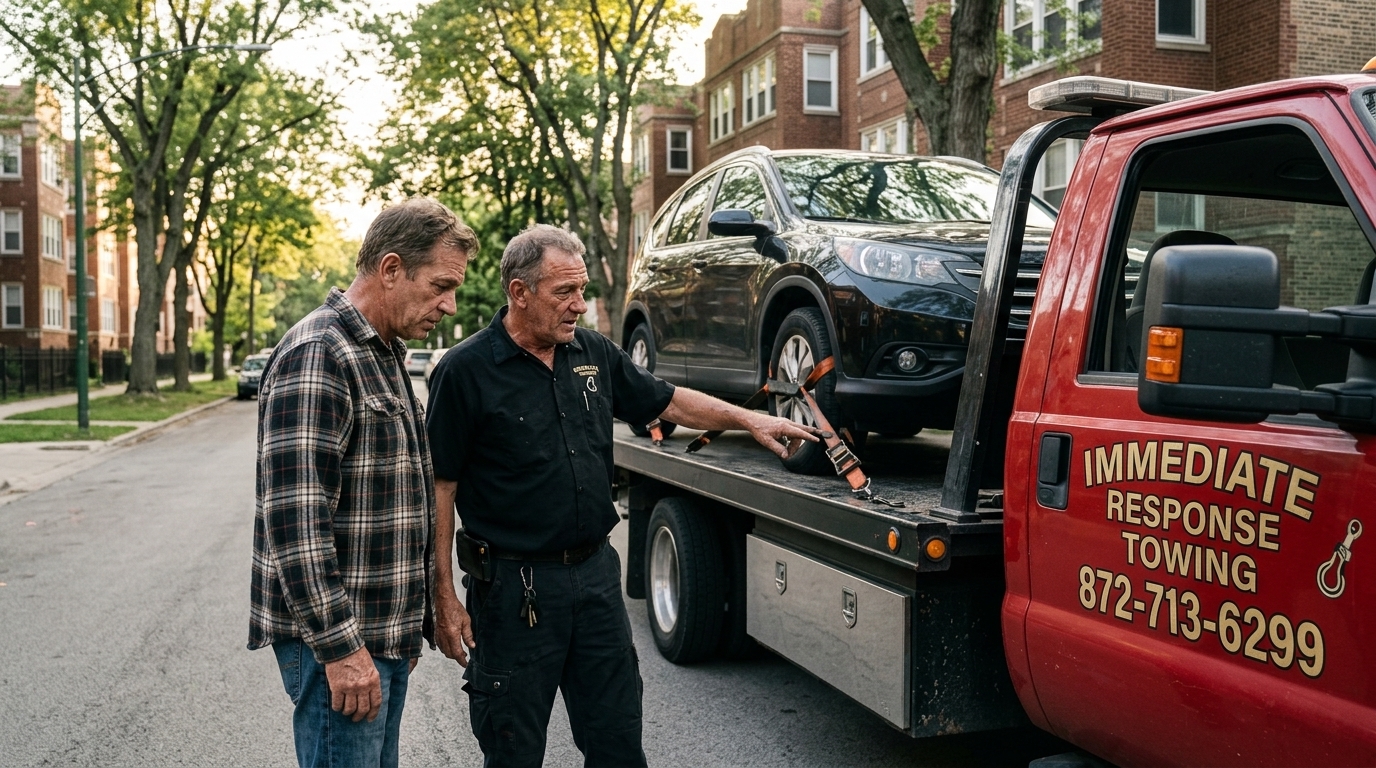
Seeing your car strapped to a truck can feel unnerving, so it helps to know what is going on. On a flatbed, the car is winched or driven up a ramp, secured at multiple points with straps or chains, and checked for stability. During transport, the car is not stressed in the way it would be on its own wheels, which is why this method is gentle on drivetrains and suspensions.
On a wheel lift, one end rides in a cradle while the other rolls. The driver should check that the steering is secured and the parking brake is released if the rolling wheels need to turn. In every case, a trained operator walks around the car, checks each strap, and confirms the setup before pulling away. That attention to detail is what separates a smooth trip from a damaged bumper.
When to Call a Pro Instead of Improvising
If you are asking questions like "can my car tow this" or "can I pull that car," the safest answer is usually to bring in a professional. Pros carry insurance, trained operators, and equipment designed for each kind of vehicle. They also know the local streets, which matters in a city as busy as Chicago.
A crew like Immediate Response Towing can assess your car, choose the right truck, and move it without guesswork. That means no strained transmission, no tangled straps, and no roadside gamble with your safety.
Know Your Limits and Your Options
Towing with a car is possible for light loads when your manual allows it, but it is not a universal solution. When your car is the one on tow, the best result comes from matching the method to your drivetrain and trusting trained hands to do the job. Check your manual, prepare your vehicle, and know when to ask for help.
When you want a Chicago team that moves cars safely and explains each step, reach out to Immediate Response Towing and keep that number saved for the day you need a dependable ride for your car.