Vehicle Towing Explained: Why One Truck Cannot Handle Every Vehicle
Vehicle Towing Explained: Why One Truck Cannot Handle Every Vehicle
A sedan, a motorcycle, a box truck, and a lowered sports car all break down on the same afternoon somewhere in Chicago. Each one needs help, but none of them can be towed the same way, and using the wrong equipment on any of them could turn a simple breakdown into a much costlier repair. Vehicle towing is a much broader category than most people realize, and understanding how it actually works helps drivers, fleet managers, and property owners alike make smarter decisions when something needs to be moved safely, quickly, and without unnecessary damage.
What Vehicle Towing Really Covers Beyond Just Cars
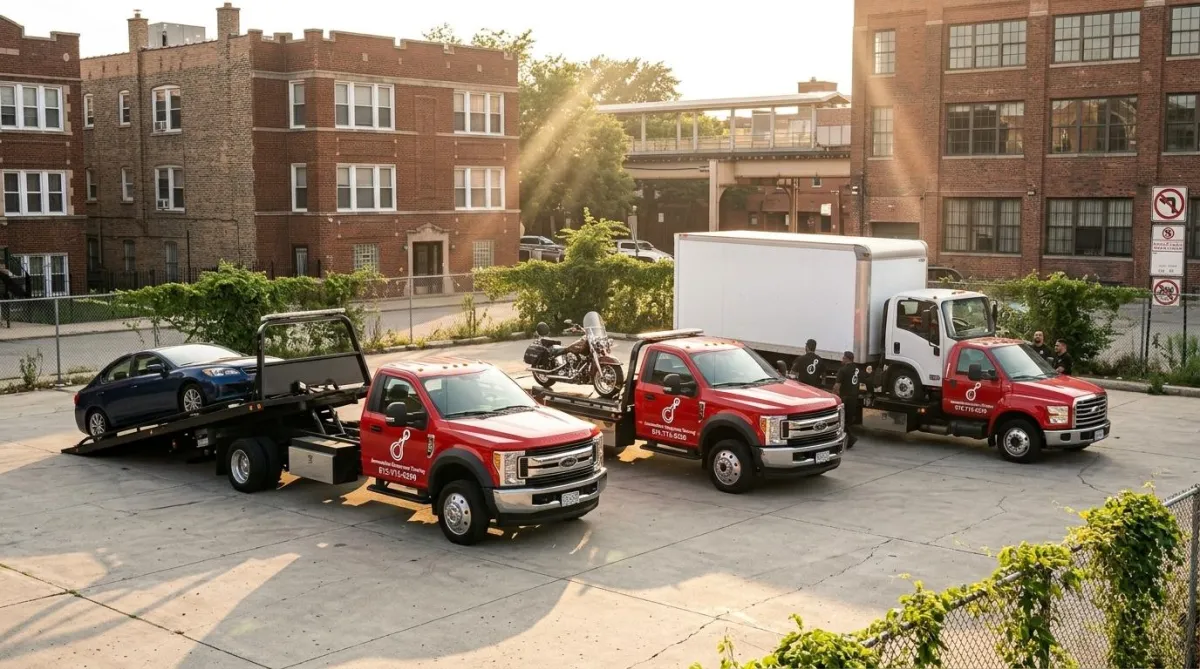
Most people hear the word towing and picture a sedan hooked to a truck, but vehicle towing spans an enormous range of situations. It includes everyday passenger cars, but also motorcycles, pickup trucks, box trucks, RVs, boats on trailers, construction equipment, and full size commercial fleets. Each vehicle type carries different weight, clearance, and drivetrain requirements, which means the equipment used for one is often completely wrong for another. A truck built to haul a compact sedan simply does not have the winching power or bed length to safely move a loaded box truck, and a company that only owns one type of rig cannot serve every situation a busy city like Chicago throws at it on any given day.
Light Duty, Medium Duty, and Heavy Duty Towing Explained
Understanding vehicle towing starts with understanding the three main weight classes used across the industry. Light duty towing handles standard cars, small SUVs, and motorcycles, usually with a flatbed or wheel lift truck built for quick, everyday calls. Medium duty towing steps up for larger pickups, vans, and box trucks that exceed what a light duty rig can safely lift or haul. Heavy duty towing covers semi trucks, buses, RVs, and construction equipment, requiring specialized rigs with far greater winching power and reinforced beds. Matching the right class of truck to the vehicle in trouble is what prevents further damage during the tow itself.
Specialty Vehicle Towing That Requires Extra Care
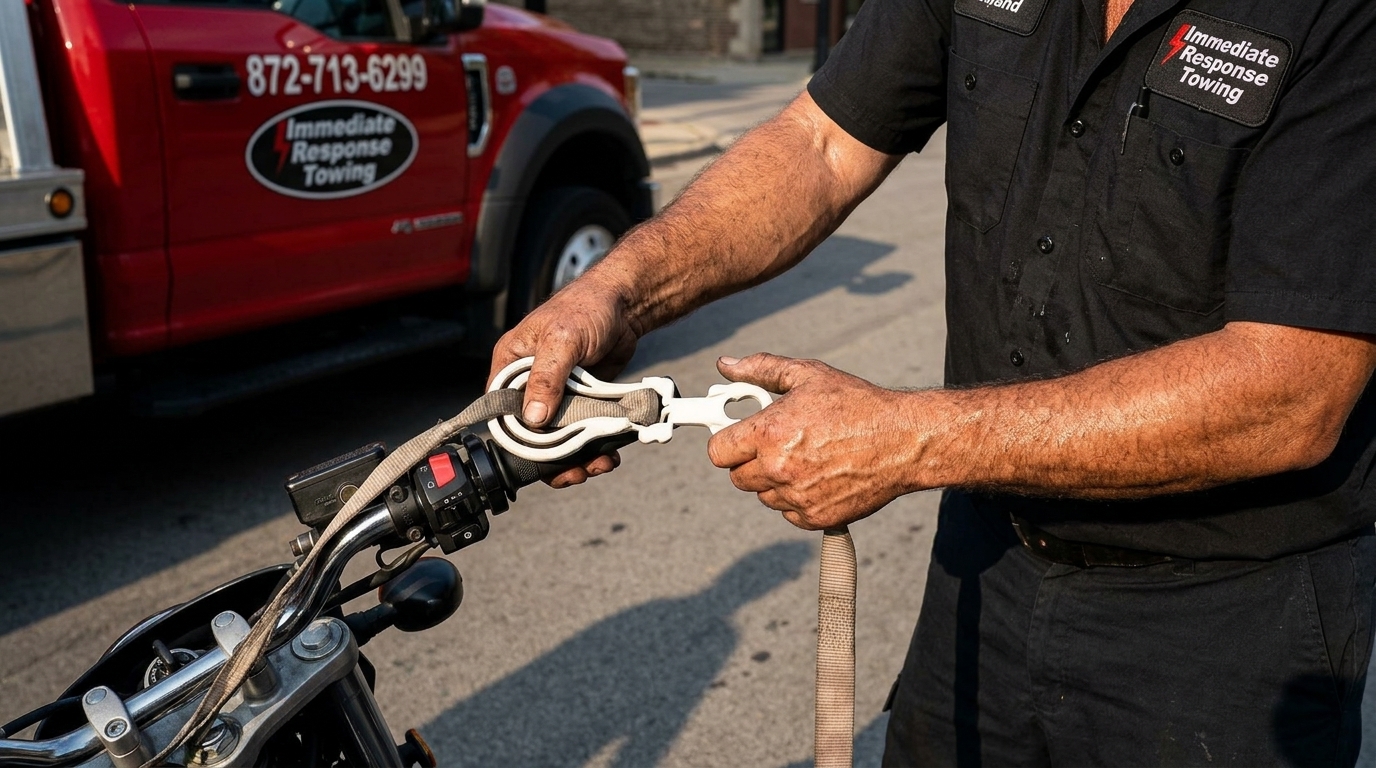
Some vehicles need more than horsepower behind the tow truck, they need real expertise. Motorcycle towing requires soft straps and wheel chocks designed specifically to avoid scratching the frame or tipping the bike during transport. Exotic and luxury car towing calls for flatbed equipment exclusively, since low ground clearance and sensitive suspensions make wheel lift methods far too risky. Commercial fleet recovery often involves coordinating multiple vehicles at once, sometimes after an accident involving cargo that must be secured before the tow can even begin. A company offering true vehicle towing needs training and equipment for every one of these scenarios, not just the basics.
Private Property Vehicle Towing and Why It Happens
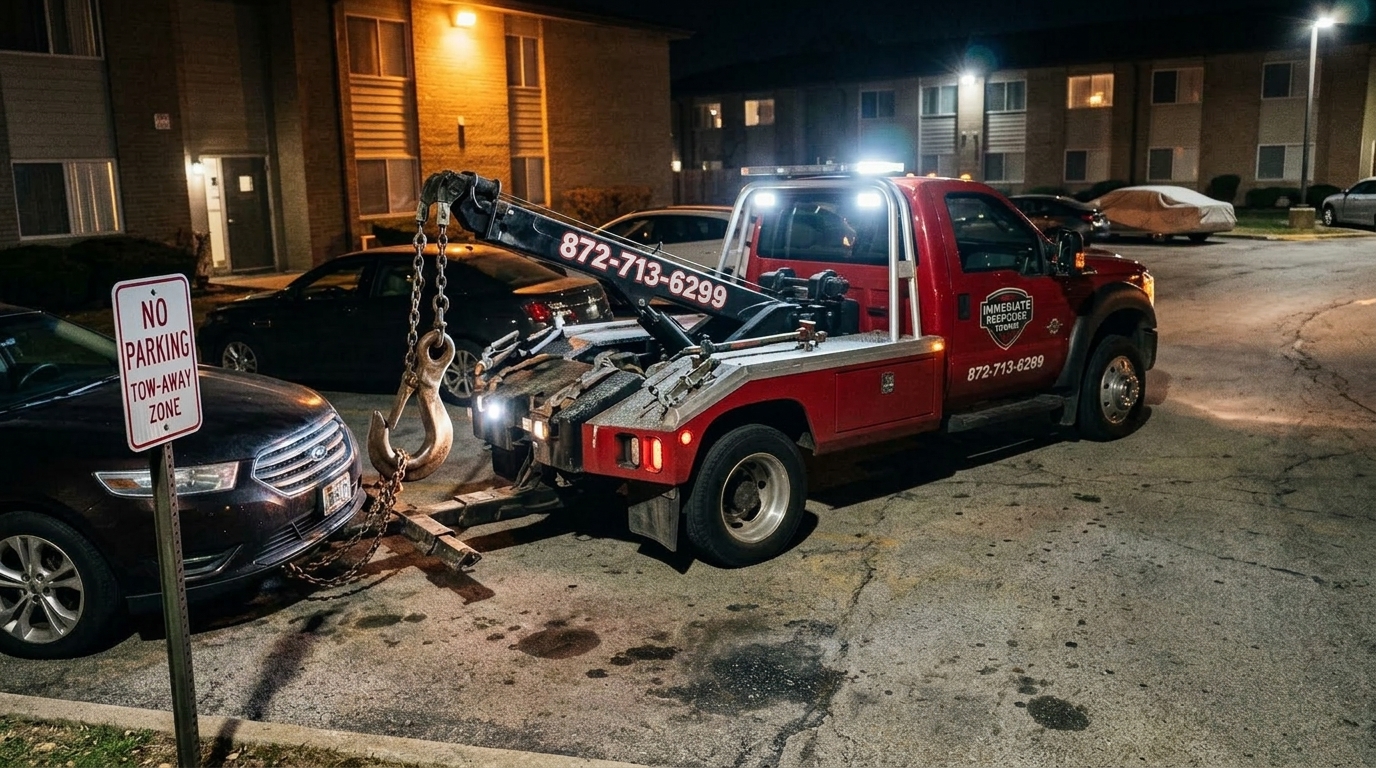
Not every towing call comes from a driver stranded on the highway. Property managers, landlords, and business owners frequently need vehicle towing services to remove cars parked illegally in a private lot, blocking a fire lane, or left behind long after a lease has ended. This side of the industry runs on clear signage, documented authorization, and fast response, since an improperly handled private property tow can create legal headaches for the property owner. Local ordinances often dictate exactly how long notice must be posted and what documentation is required before a vehicle can legally be removed, which is why experience matters as much as equipment in this part of the business. A towing company experienced in this area understands local regulations and keeps the entire process compliant, protecting both the property and the company that manages it.
Choosing a Vehicle Towing Company That Can Actually Handle It
With so many vehicle types and situations falling under one broad term, choosing the right company matters more than most drivers realize. Ask whether the provider owns light, medium, and heavy duty trucks, or only one type. Ask how they handle motorcycles or exotic cars if that ever applies to your household, and whether their operators are trained for private property removals in addition to roadside breakdowns. A company built to handle the full range of vehicle towing will always be more reliable than one specializing in a single niche, especially during an emergency when there is no time to shop around for a second option. Chicago drivers and business owners who want a provider ready for anything can visit Immediate Response Towing to see the full scope of vehicles their fleet is equipped to handle.
What Sets a Complete Vehicle Towing Fleet Apart
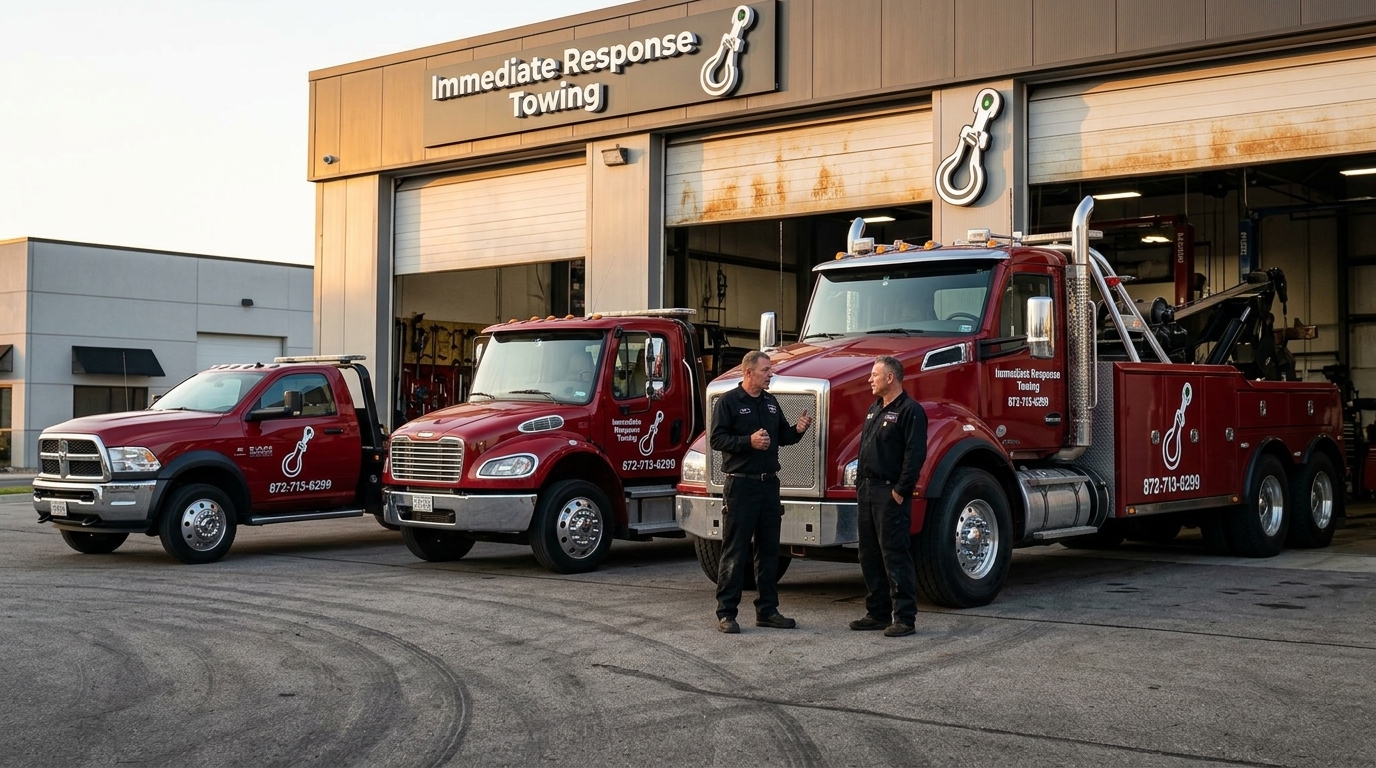
Immediate Response Towing was built around the idea that a real towing company should never have to turn a call away because of the vehicle involved. The fleet covers light duty, medium duty, and heavy duty towing, along with motorcycle towing, exotic car towing, commercial recovery, and heavy equipment transport, all dispatched from the same trusted team of local operators. Response times average between fifteen and thirty minutes across Chicago and the surrounding suburbs, pricing stays upfront with zero hidden fees, and every operator is trained for the specific vehicle they are dispatched to handle, whether that means a lightweight motorcycle or a fully loaded commercial trailer.
Vehicle towing is not a one size fits all service, and treating it that way is how vehicles get damaged during the very process meant to help them. Whether it is a motorcycle, a loaded box truck, or a family sedan stuck on the Kennedy, knowing the differences between towing classes helps you ask the right questions before a truck ever shows up. The right company will already have the answer ready, and the right equipment already on the way.