
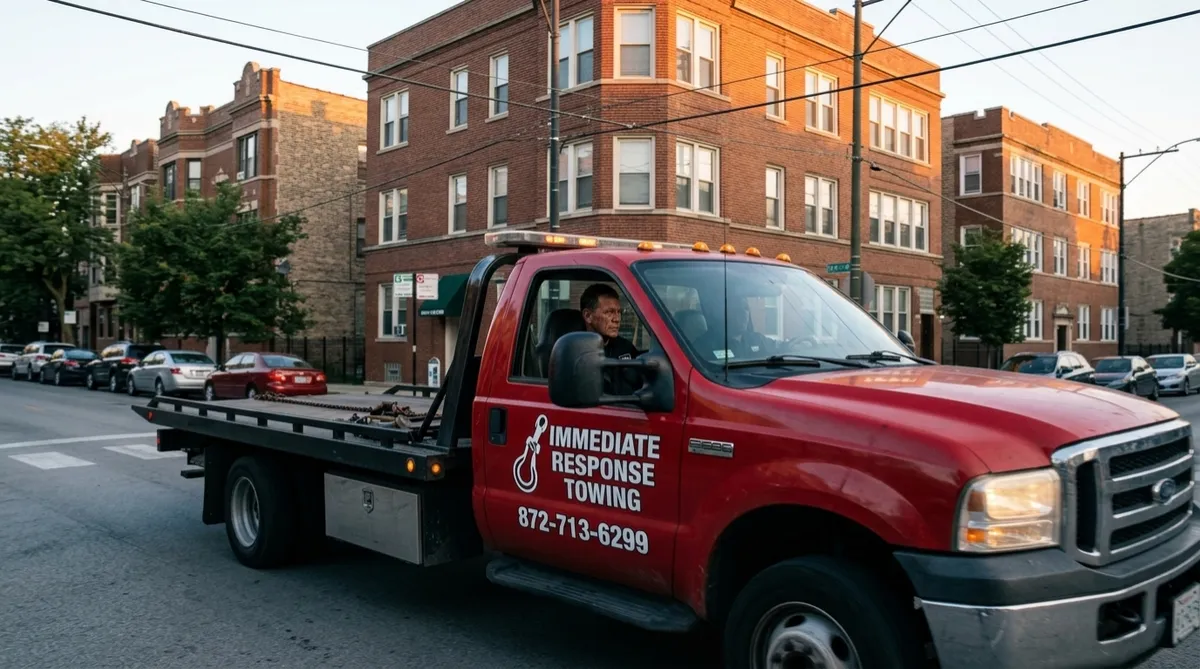
What Time Do Tow Trucks Come? The Honest Answer for Every Situation
What Time Do Tow Trucks Come? The Honest Answer for Every Situation
If you typed "what time do tow trucks come" into a search bar, you probably have one of three things going on. Maybe you just called for help and you are staring at the road wondering when someone will show up. Maybe you park somewhere risky and want to know when the trucks are likely to come around. Or maybe you booked a tow in advance and want to understand your window. The honest answer is that there is no single time, but there are clear patterns behind each situation, and knowing them can save you stress, money, and a lot of guesswork. This guide covers all three.
Situation One: What Time Does a Tow Truck Come After You Call?
When you call a towing company for help, the arrival time depends on a handful of real factors. The first is where the nearest available truck is at that moment. The second is traffic and road conditions between that truck and your location. The third is how many calls are already in line, since busy periods stretch every crew thin. And the fourth is the type of truck you need, because a car that requires a flatbed cannot wait for just any truck.
A reliable dispatcher will give you an arrival window, not a vague promise. In calm conditions, many drivers can expect a truck in a relatively short window, but rush hour, storms, and holidays can push that out. The best thing you can do is ask directly, "What time can you realistically be here?" and then share your exact location so the estimate is based on facts. If the time changes, a good company calls or texts to let you know.
Situation Two: What Time Do Tow Trucks Patrol or Enforce?
Many people searching this phrase are not waiting for help. They are worried about being towed. Here the honest answer is that there is no universal schedule. Private property tows are usually arranged between a property owner or manager and a towing contractor, and those contractors may patrol at different hours depending on the property and its rules.
That unpredictability is the whole point of enforcement. Trucks may come at night, early in the morning, during a weekend, or in the middle of a weekday afternoon. Signs posted at the property often explain the rules and name the company involved. If you are unsure, ask the property manager or look for posted signs, since those are the clearest guide to how a particular lot operates.
Situation Three: A Scheduled Tow
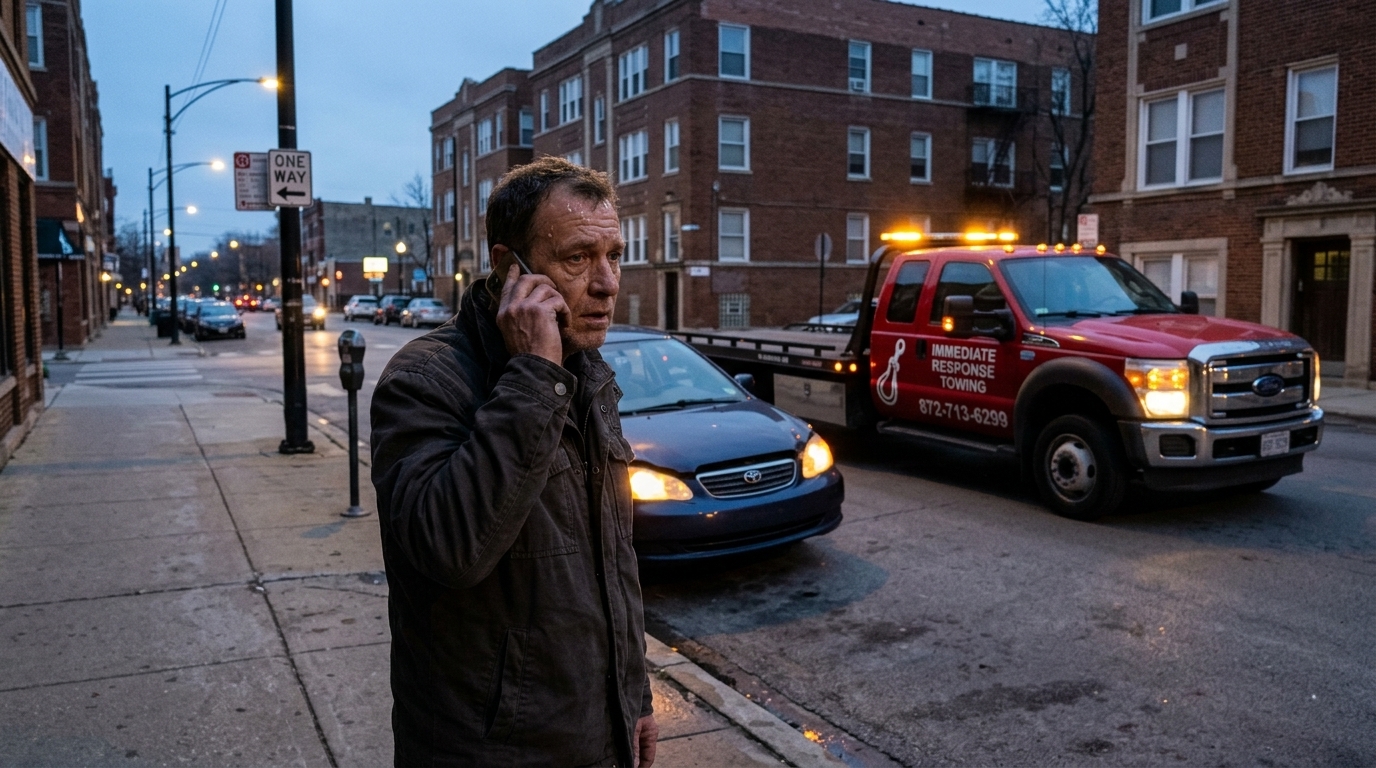
When you book a tow ahead of time, the answer is much simpler: the truck comes during the window you and the dispatcher agreed on. Planned jobs often come with a time range, such as a morning or afternoon block, rather than an exact minute, because traffic and earlier jobs can shift things slightly.
To make the window work, confirm the date, the time range, and a phone number for the driver. Have the car accessible, keys ready, and any paperwork in hand. If your plans change, call as early as possible so the dispatcher can adjust, and ask how they handle delays on their end.
The Busiest Times for Tow Trucks
Certain times of day and year bring more calls, and that affects how long you may wait. Here are the windows to keep in mind:
Weekday morning rush hour, when breakdowns and fender benders spike.
Weekday evening rush hour, when traffic is slowest and crews take longer to reach you.
Friday and Saturday nights, when late night driving increases the number of incidents.
Holiday weekends, when more cars are on the road and fewer people are around to help.
The first snow or ice of the season, when batteries fail and accidents multiply.
Large event nights, when nearby streets are jammed and trucks must work around closures.
If you can avoid scheduling a non urgent tow during these windows, you will usually get a smoother experience. If you cannot, simply expect a slightly longer estimate and plan accordingly.
How to Avoid Being Towed in the First Place
If your concern is enforcement, a few habits go a long way. Always read posted signs before you leave your car, especially in unfamiliar lots. Pay attention to permit rules, time limits, and reserved spaces, even if they seem inconvenient. If you are visiting someone, ask for a guest pass or permit and keep it visible.
On public streets, check for temporary signs, since cleaning, construction, and special events can change parking rules without much warning. Taking a quick photo of your parked car and the nearby signs can also help if there is ever a dispute. When in doubt, move the car to a spot that is clearly allowed.
Chicago Timing Rules Worth Knowing
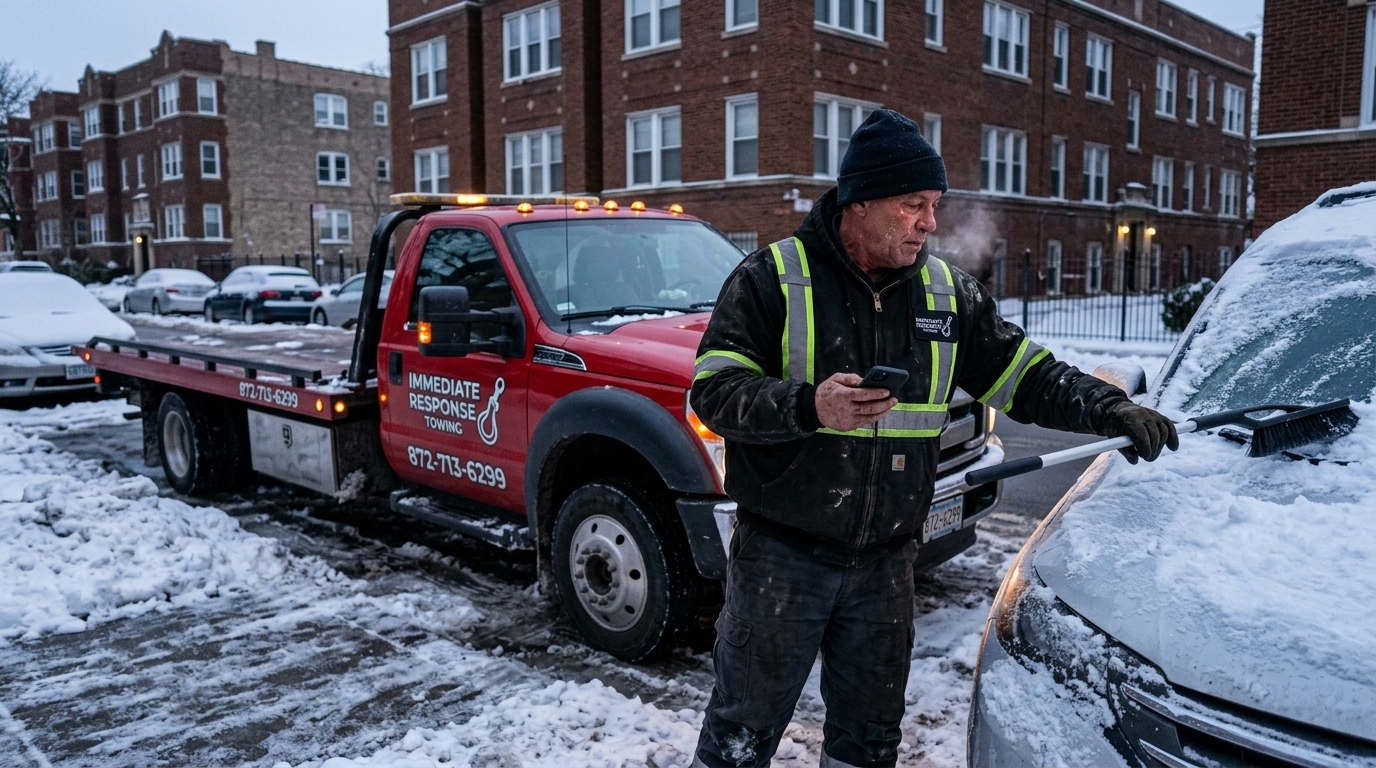
Chicago has seasonal parking rules that catch many drivers off guard. Street cleaning restrictions apply in warmer months on posted streets, and winter brings overnight parking restrictions on certain main streets as well as snow route rules after heavy snowfall. Because these rules can change by season and by street, always check the posted signs and the city's current guidance before leaving your car overnight.
Planning ahead is especially important in winter, when a car left in the wrong place after a storm may be moved quickly. If a forecast calls for heavy snow, find out whether your street has special rules, and move your vehicle early rather than waiting for the last minute.
What to Do If You Walk Out and Your Car Is Gone
Few moments feel worse than an empty parking space. Before you panic, take a breath and work through the basics. Look around for posted signs naming a towing company, and check the nearby area in case you simply forgot where you parked. If the car was in a private lot, call the property owner or manager, who can often tell you whether it was towed and by whom. In Chicago, the city's 311 service is a common place to start when trying to locate a towed vehicle.
When you find the right facility, bring identification, proof of ownership, and any registration or insurance papers, and ask for a clear explanation of the fees before you pay. Staying calm and organized usually gets things resolved faster.
How to Shorten Your Wait After You Call
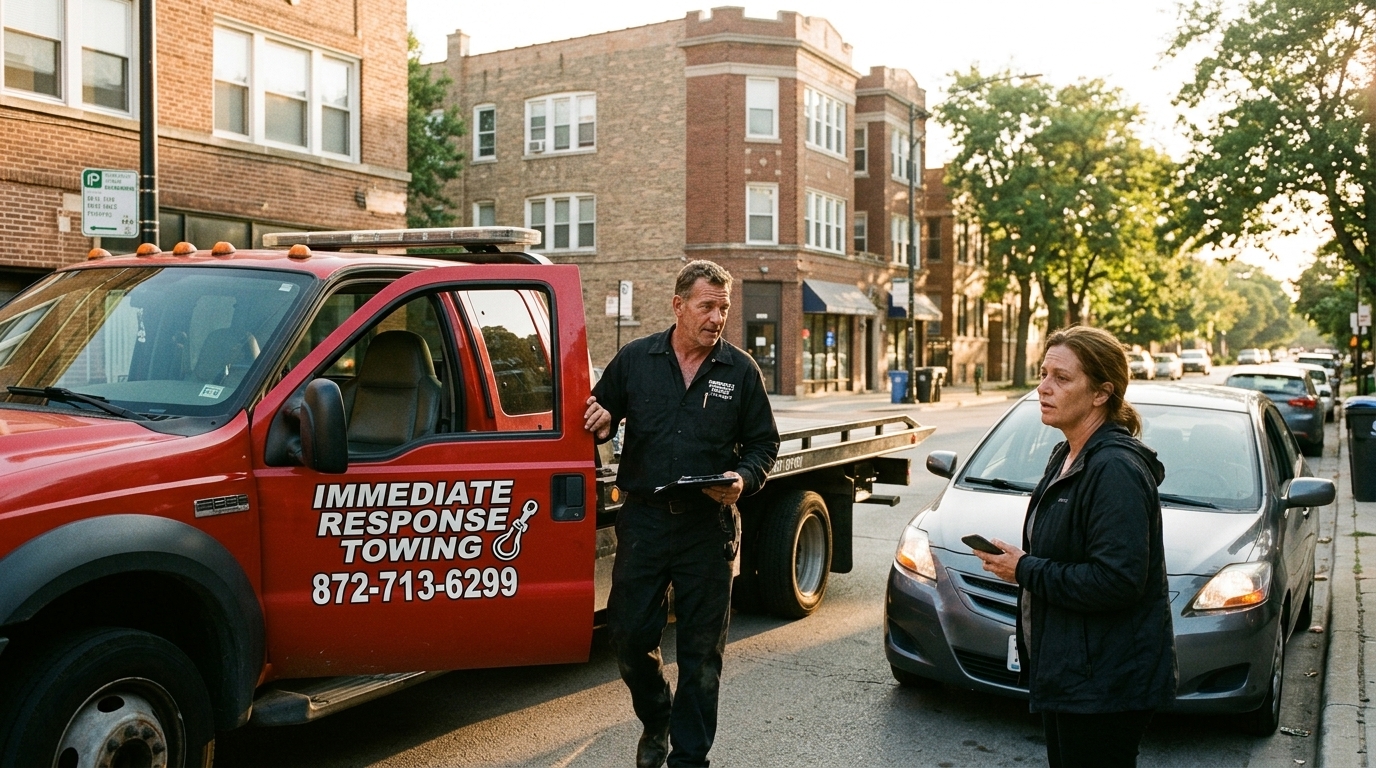
If you are the one waiting on a truck, there are a few simple ways to help it arrive sooner. Share your precise location, including cross streets or landmarks. Describe your car by color, make, and model. Keep your phone charged and answer calls from unknown numbers. And stay in a safe, visible spot while you wait, since a driver who finds you quickly can start work right away.
Timing Is Easier When You Know the Rules
So, what time do tow trucks come? After you call, as soon as the nearest equipped truck can reach you safely. At a property with enforcement, whenever the contractor decides to patrol. For a scheduled job, during the window you agreed on. Knowing which situation you are in turns a vague worry into a clear plan.
When you need a crew that gives honest arrival times and keeps you updated, contact Immediate Response Towing and save the number so help is only one call away.