Tow Truck Guide: Flatbed, Roadside, and Accident Towing
Which Tow Truck Do You Need? A Driver's Guide to Flatbed, Roadside, and Accident Towing
When your car dies on the road, you are not thinking about equipment. You just want a tow truck, and you want it now. But the truck that shows up decides whether your car arrives at the shop untouched or with a new set of problems, and most drivers never find out the difference until something goes wrong.
Most guides on this topic are written for people who run tow businesses. This one is written for you, the driver standing on the shoulder. You will learn what the main types of tow truck actually do, when flatbed towing is the safer choice, what a roadside assistance tow truck can fix before a tow is even needed, and how an accident towing service handles a very different situation.
Not Every Tow Truck Is the Same Truck
The phrase tow truck covers several very different machines. Knowing the basics helps you ask for the right one.
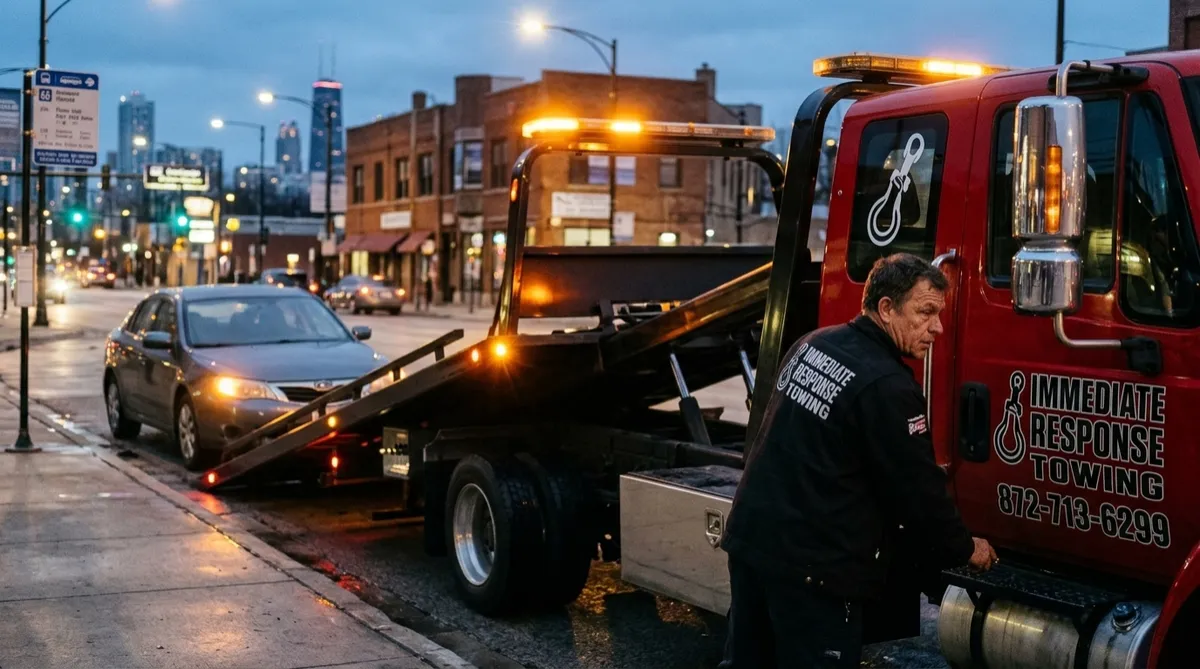
A hook and chain truck is the oldest design. It lifts a car by its frame using chains, and it is rarely appropriate for modern vehicles because it can scratch bumpers and strain suspension parts. A wheel lift truck is a step up. A metal yoke cradles two wheels and raises them off the road, which works well for short moves of ordinary two wheel drive cars. A flatbed carries the entire vehicle on a flat, tilting deck so all four wheels sit still and nothing drags.
Each has a place, but the right choice depends on your car, where it is, and what is wrong with it. Never assume the dispatcher will pick correctly without details from you.
Flatbed Towing: When It Is the Right Call
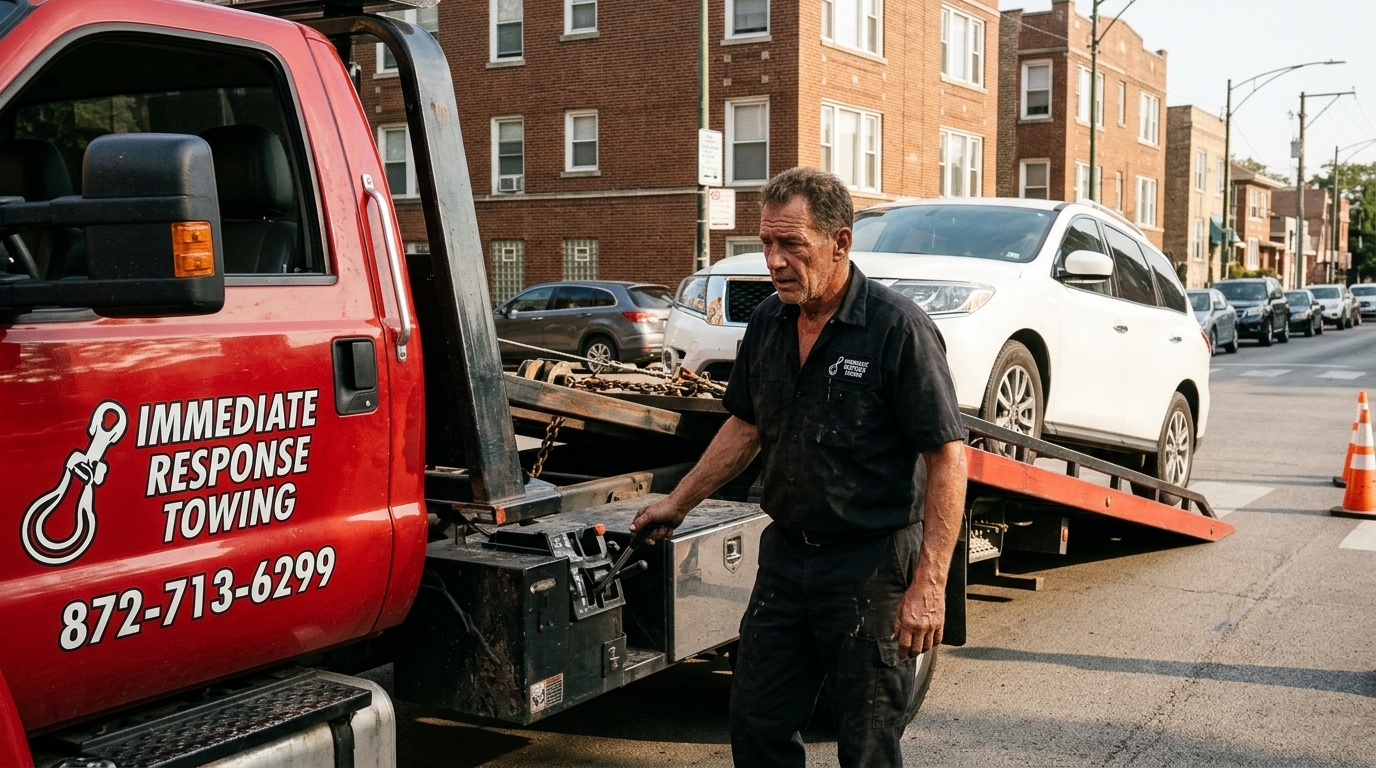
Flatbed towing is the safest method for most situations, which is why so many drivers search for a flatbed towing company the moment something serious happens. Because the car rides entirely on the bed, there is no strain on the drivetrain, tires, or suspension during transport.
Ask for a flatbed by name when any of these apply:
Your car is all wheel drive or four wheel drive, since dragging two wheels can damage the drivetrain.
You drive an electric or hybrid vehicle, which usually should not be towed with wheels on the ground.
Your car sits low to the ground, has a body kit, or has aftermarket parts that a wheel lift could scrape.
The car has damage to the wheels, axle, transmission, or steering and cannot roll freely.
You are moving a motorcycle, a valuable car, or a vehicle over a long distance.
When choosing a flatbed towing company, ask whether the truck that will arrive is an actual flatbed. Some companies advertise it but send a wheel lift because it is closer. A confident dispatcher answers that question instantly.
Roadside Assistance Tow Truck: Help That Starts Before the Tow
Here is something many people miss. A roadside assistance tow truck is not only a vehicle for hauling cars away. Many calls end without a tow at all, because the driver can fix the problem on the spot.
Common examples include a dead battery that needs a jump start, a flat tire that needs a spare mounted, a locked car with keys inside, and an empty tank that needs a fuel delivery. If your car has a simple problem like this, you may save money and time by asking, before anything else, whether the driver can solve it right there instead of towing it.
If the fix does not work, the same truck can usually switch straight to a tow. That is the real value of calling a company that handles both, since you are not waiting for a second visit. Whether you use your insurance coverage, a membership club, or a direct local call, the key is to describe the symptom clearly so the right tools arrive the first time.
Accident Towing Service: What Changes After a Crash
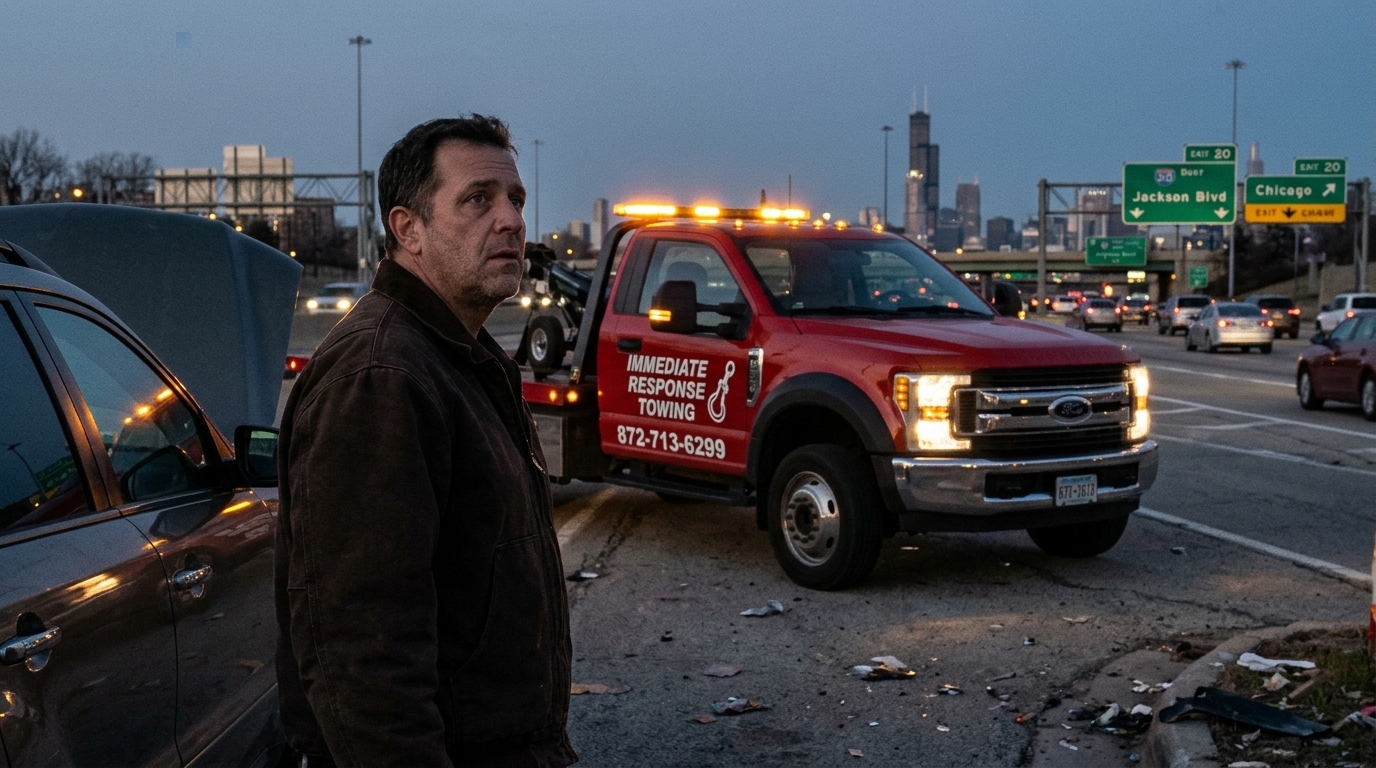
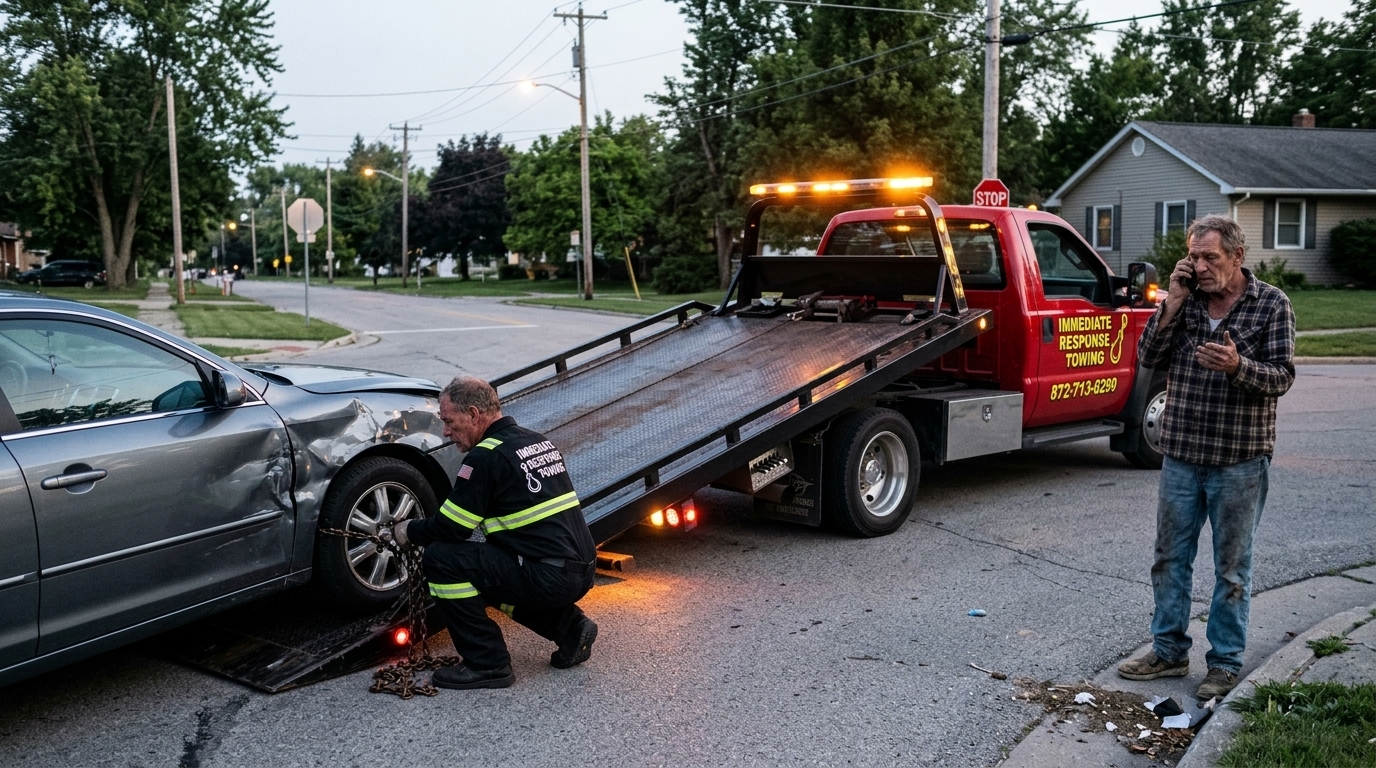
An accident is a different situation from a breakdown, and an accident towing service works under different pressures. The car may be damaged, the scene may be unsafe, and other people and police may be involved. Here is a sensible order of actions:
Check yourself and everyone else for injuries first, and call 911 if anyone is hurt.
Turn on hazard lights and, if the car is drivable and it is safe, move it out of traffic.
Wait for police if the situation requires a report, and exchange insurance details with the other driver.
Take photos of both vehicles, the road, and any visible damage before anything moves.
Call your tow company, and tell them clearly that the vehicle was in an accident so they send the right equipment.
Confirm the destination, whether a body shop, a storage lot, or your home, before the truck leaves.
Accidents bring one more risk. Unfamiliar tow trucks sometimes arrive at crash scenes without being called. In some situations police may arrange a tow themselves, and rules vary by location, so ask what your options are. You generally have the right to request a company you trust when the car is yours. Never sign blank paperwork, and ask for the driver's name and company details before the vehicle is moved.
Crash damage often means bent wheels, a broken axle, or leaking fluids, which is another reason a flatbed is usually the best choice after an accident.
Matching the Truck to Your Situation
A simple way to think about it: if the car just needs a boost, a tire, or fuel, you need roadside assistance. If it cannot move but is otherwise intact, a wheel lift may work for a short trip, but flatbed towing is safer for all wheel drive, electric, and low cars. If an accident is involved, you need an accident towing service that brings flatbed equipment and handles damaged vehicles carefully.
When in doubt, tell the dispatcher what happened in plain words, the make and model of the car, and where it is sitting. A good team will pick the right truck from that description.
Why Chicago Drivers Call Immediate Response
Immediate Response Towing covers the full range described above from one number. The team runs 24/7 across Chicago and nearby areas including Evanston, Skokie, Cicero, and Oak Lawn, with flatbed towing, accident recovery, light, medium, and heavy duty towing, motorcycle towing, lockouts, jump starts, flat tire service, and fuel delivery.
Typical response times run 15 to 30 minutes, pricing is upfront with no hidden fees, and the closest available truck is sent to you directly, so you are not waiting on a far away yard.
Call the Right Truck the First Time
The word tow truck hides a lot of difference. Match the equipment to your situation, ask for a flatbed when the car needs gentle handling, try a roadside fix before paying for a tow, and handle accidents with clear steps and clear paperwork. If you need a truck right now, call Immediate Response Towing and tell them what happened.