
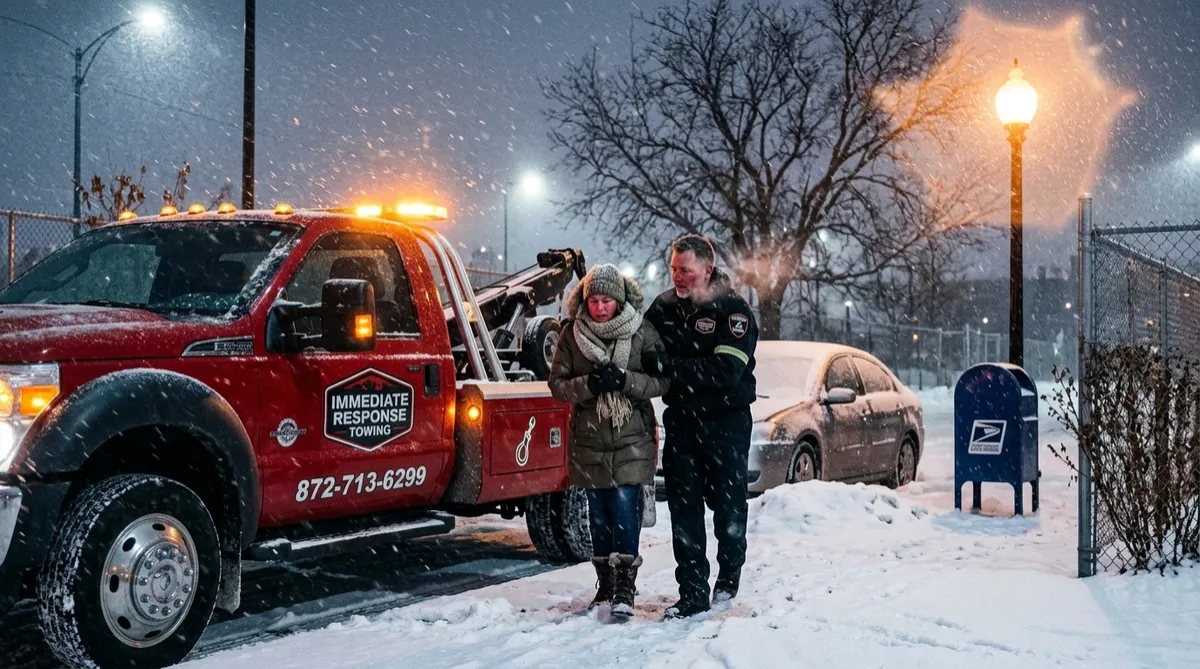
Winter Towing in Chicago: What Changes When the Temperature Drops
Winter Towing in Chicago: What Changes When the Temperature Drops
A car that starts fine every other day of the year can suddenly refuse to turn over the moment temperatures drop below freezing. Chicago winters are hard on vehicles in ways that summer breakdowns never are, and the towing auto support that gets a stranded driver home safely looks a little different once snow and ice enter the picture. Knowing what changes in the cold helps you understand why winter calls take a certain shape, and why choosing the right tow company matters even more once the season turns and every extra minute outside starts to feel much longer than it should.
Why Cold Weather Turns a Minor Car Problem Into a Real Emergency
A dead battery on a warm afternoon is an inconvenience. The same dead battery at ten degrees with wind chill on an empty street is something closer to an emergency. Cold temperatures thicken engine oil, drain battery power faster, and make already worn parts more likely to fail without warning. A driver waiting outside in that kind of weather cannot simply stand around for an hour the way they might on a mild October evening, which is exactly why response time and communication matter even more once winter sets in.
The Winter Situations a Towing Car Service Sees Most Often
Certain calls spike dramatically once the temperature drops, and recognizing them helps explain why winter towing looks different from the rest of the year.
Dead batteries, since cold weather is the single biggest cause of a battery losing enough charge to start the engine.
Cars stuck in snow drifts or unplowed side streets after a storm rolls through overnight.
Frozen door locks and handles that trap keys inside a vehicle that otherwise runs fine.
Slide offs and fender benders on icy roads, especially during the first snowfall before drivers adjust their habits.
Flat tires from potholes that widen and deepen once freeze and thaw cycles break apart the pavement.
A towing car service built for Chicago winters trains for all five of these, not just the standard breakdown that shows up every other season.
How Ice and Snow Change the Way a Tow Company Handles Your Car
Winter conditions do not just change what breaks, they change how a tow company safely does its job once it arrives. Icy roads mean trucks have to approach and stop more carefully, since sudden braking near a stranded vehicle creates real risk for everyone involved. Snow covered shoulders can hide curbs, potholes, and debris that would normally be easy to see, so operators slow down and inspect the area before hooking anything up. Frozen undercarriages sometimes need a few extra minutes of careful handling to avoid damaging brake lines or suspension components that have stiffened in the cold, and a rushed hookup in these conditions is often how a small problem turns into a much larger repair bill. None of this should mean a slower overall response, but it does mean a company experienced with winter driving handles the entire process more safely than one that only knows fair weather conditions.
What to Keep in Your Car During Chicago Winters
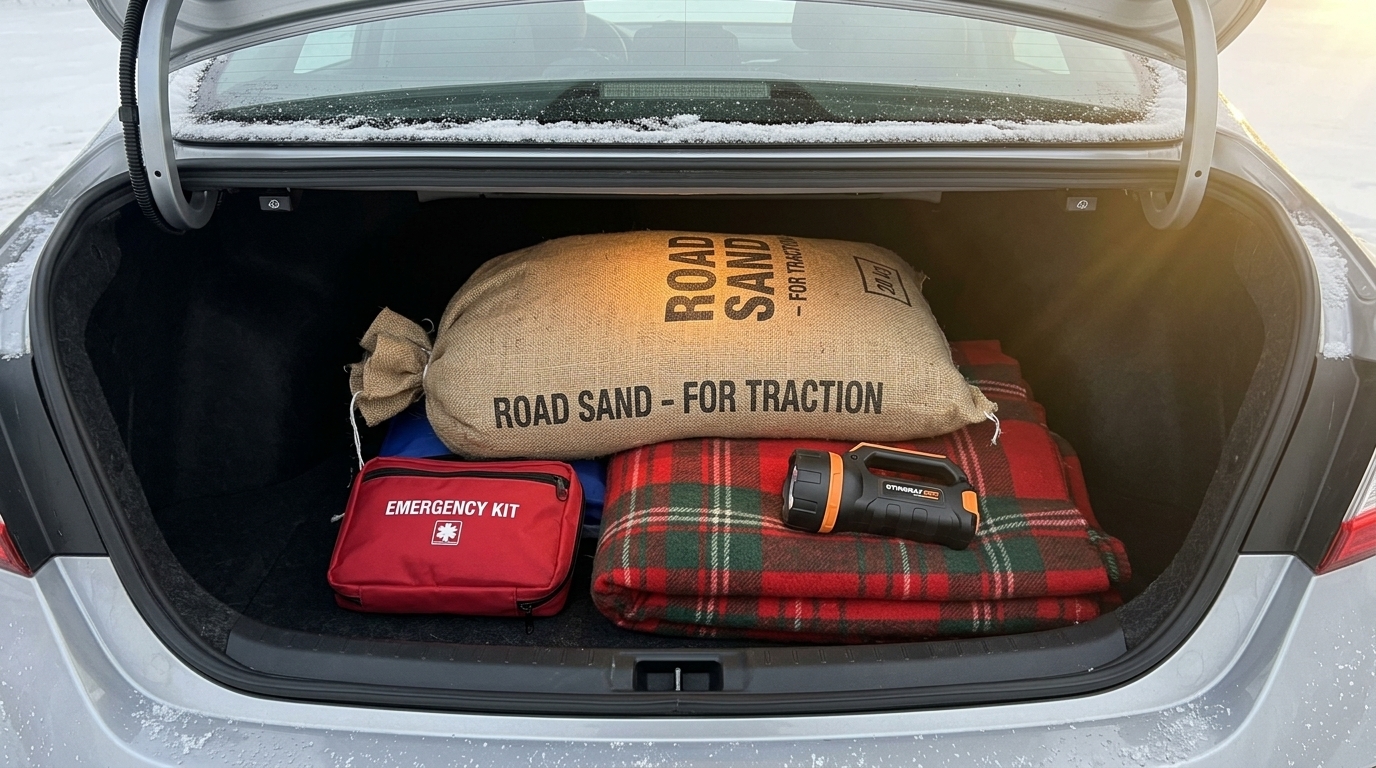
A little preparation goes a long way once the season turns. Keeping a phone charger, a warm blanket, and a small flashlight in the car means you are never left completely without resources while waiting for help. A bag of sand or cat litter in the trunk can provide traction if a tire gets stuck on ice, and an ice scraper stored somewhere other than the glovebox, where it can freeze shut, saves frustration on the coldest mornings. None of this replaces a professional tow when something serious happens, but it does make the wait considerably more comfortable if you find yourself stranded before help arrives.
What to Expect When You Call During a Storm
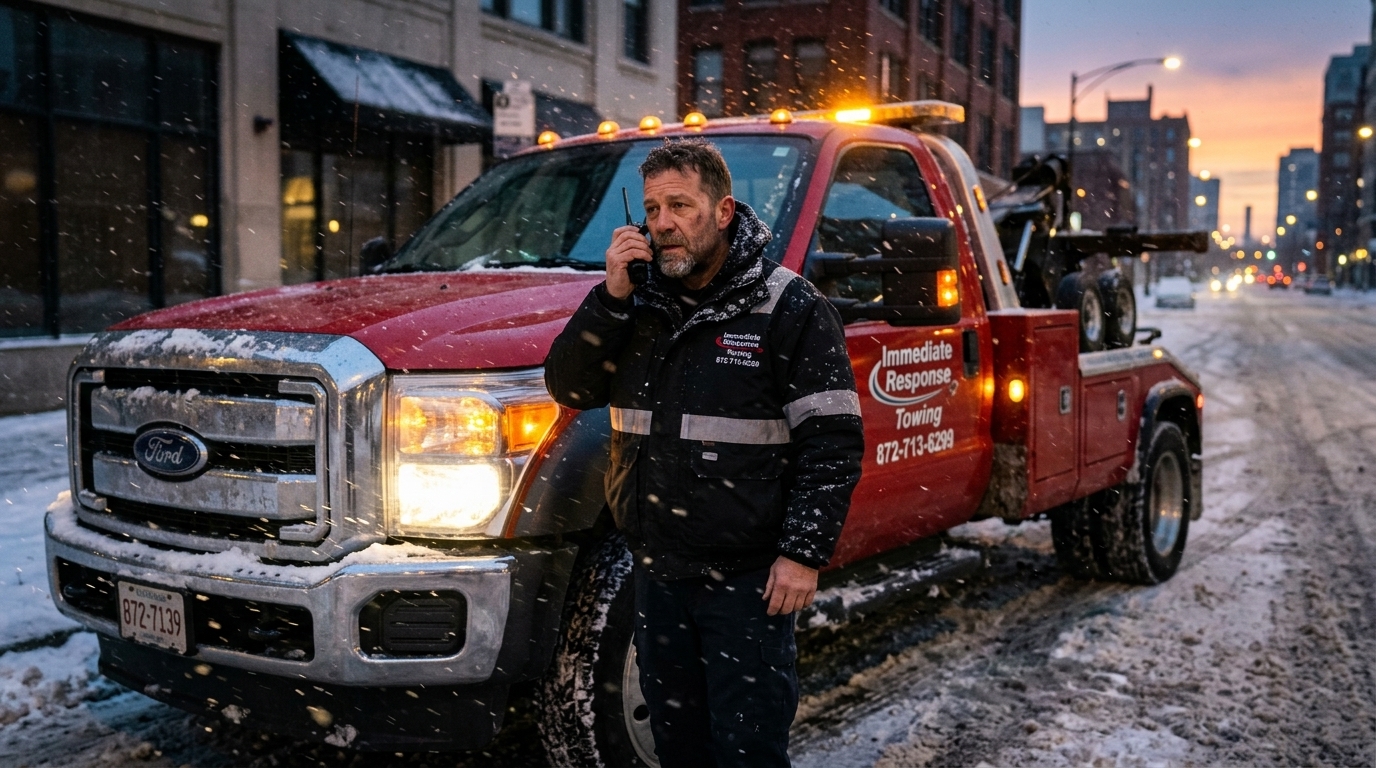
Winter storms bring a surge of calls all at once, so a dependable towing car service should be upfront about how that affects wait times rather than promising something unrealistic. A good dispatcher will give an honest estimate based on current conditions, update you if the timeline shifts, and prioritize the most urgent situations first, such as a vehicle blocking traffic or a driver without heat in extreme cold. Knowing this ahead of time helps set realistic expectations instead of leaving you frustrated by a wait that a fair company already warned you about.
Getting Reliable Towing Auto Support No Matter How Cold It Gets
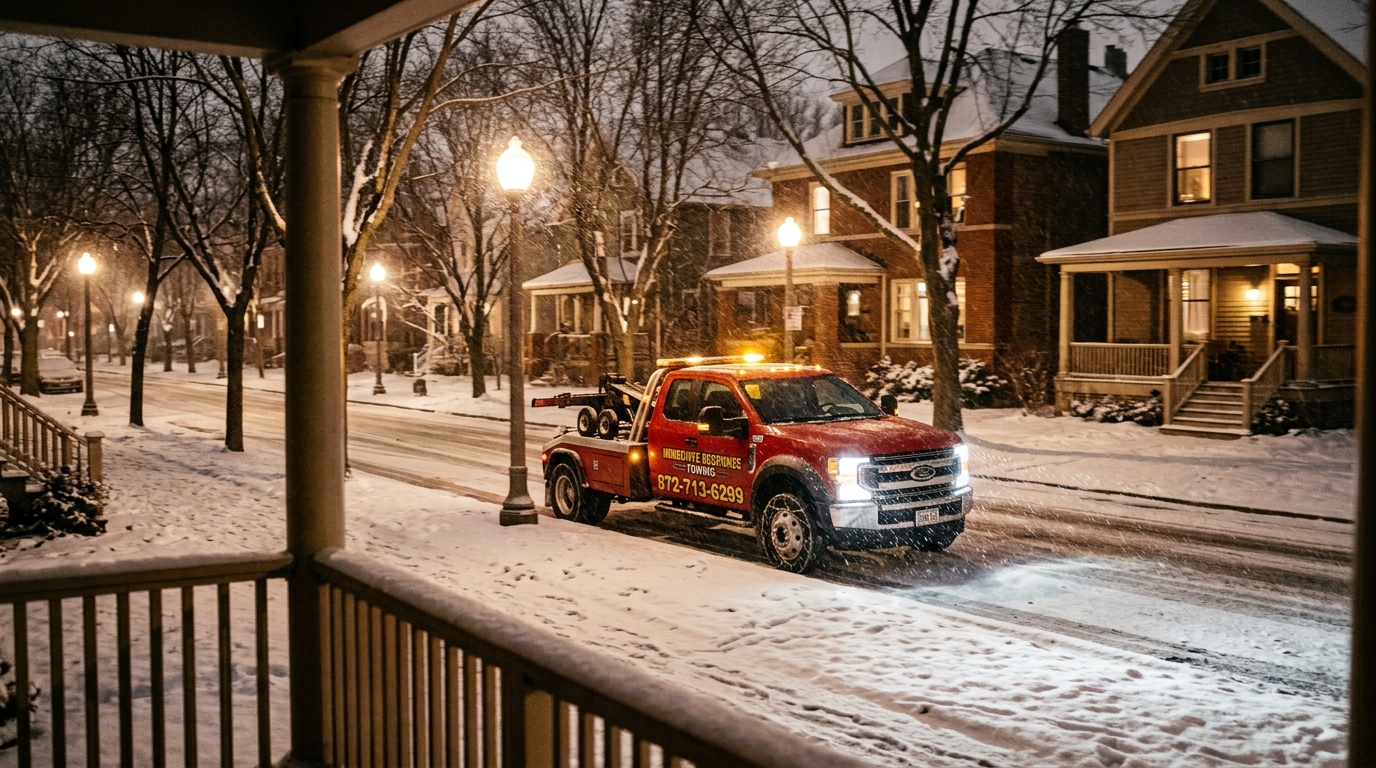
Chicago winters are not going anywhere, which is exactly why choosing a dependable, experienced provider matters before the first hard freeze hits, not after you are already stranded on an icy shoulder. Immediate Response Towing keeps trucks staffed and ready through every season, with operators trained specifically for the driving conditions winter brings and pricing that stays upfront regardless of the temperature outside. Drivers who want dependable towing auto support all year round, cold months included, can request help directly and know a trained team is already on the way, typically arriving within fifteen to thirty minutes across the city and surrounding suburbs, snow, ice, or clear roads.
Winter does not have to mean dreading every cold morning behind the wheel. Knowing which situations spike once temperatures drop, how a trained tow company adjusts its approach, and what small items make a wait easier gives you real control over an unpredictable season. The next hard freeze will come eventually, and when it does, the right towing car service will already know exactly how to handle it, no matter what the forecast throws at Chicago next.2