Insurer and Body Shop Disagree on Damage? How to Resolve the Estimate Dispute
Insurer and Body Shop Disagree on Your Car's Damage? How to Break the Stalemate
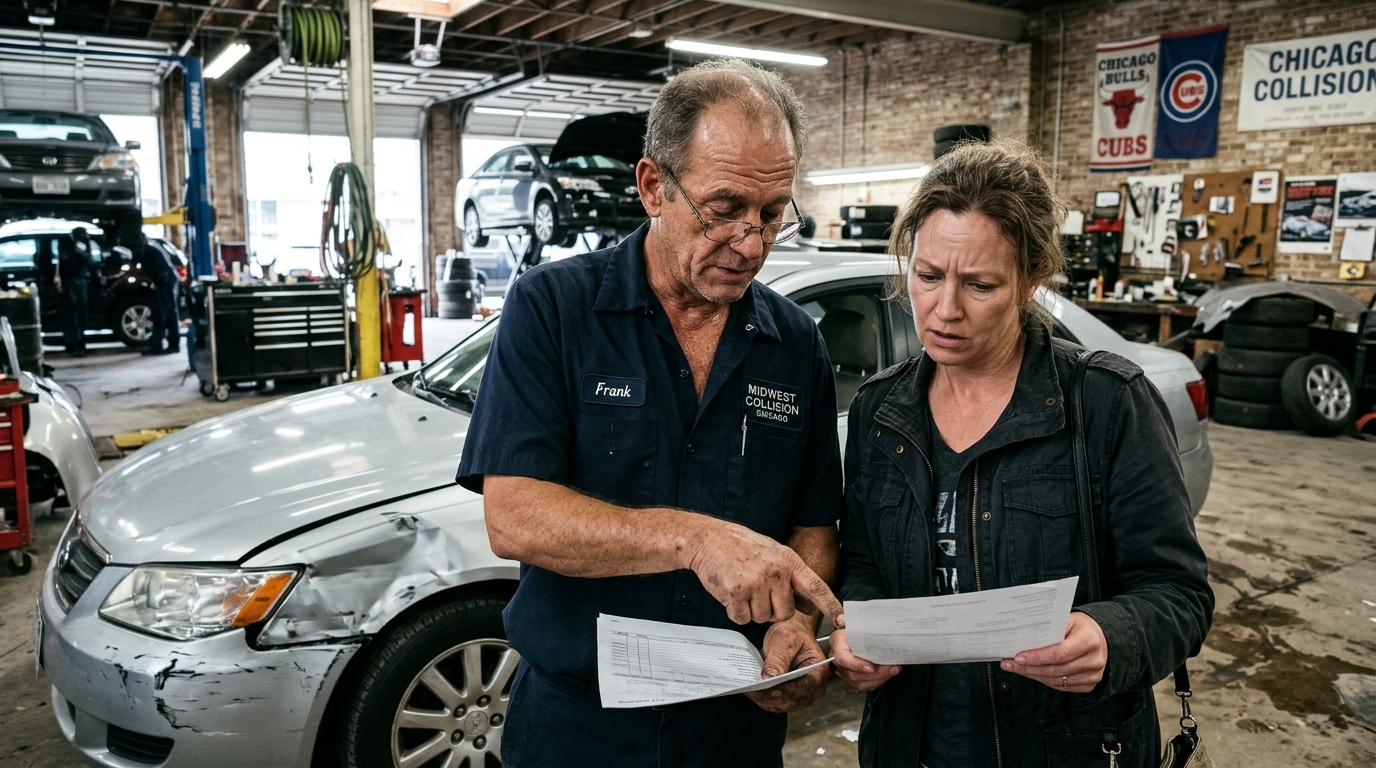
Your insurance adjuster says the repair will cost $3,200. Your body shop says it will cost closer to $5,800. Now your car sits in limbo while two professionals point at each other, and you are stuck in the middle with a rental clock ticking. This situation is more common than most drivers realize, and it is usually fixable with patience, paperwork, and a clear plan. This guide explains why estimates differ, how a supplement works, what evidence helps, and how to escalate if talks stall. It is general information, not legal advice, and it makes no promises about how any claim will turn out.
Why the Two Estimates Do Not Match
A disagreement does not automatically mean someone is being dishonest. Estimates differ for ordinary reasons:
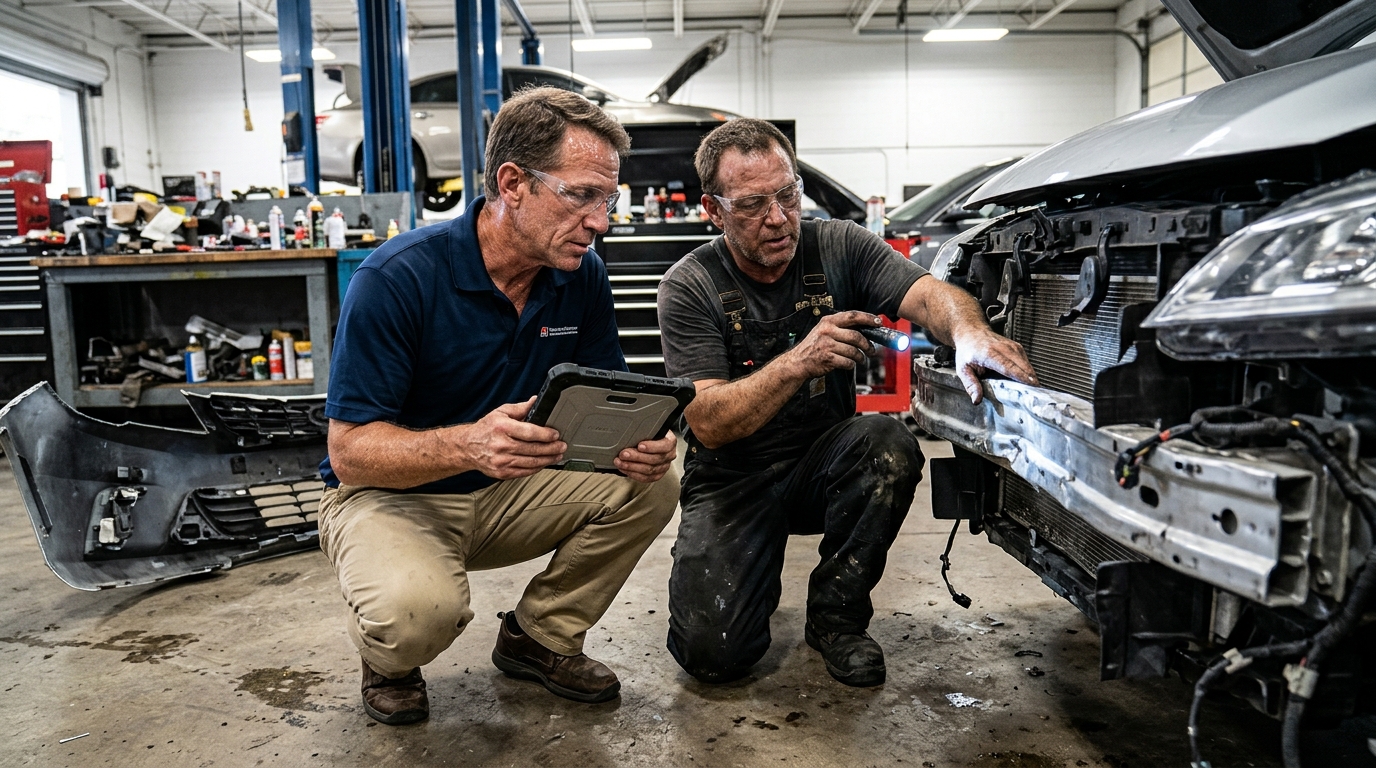
An adjuster often writes the first estimate from photos or a quick visual inspection, before anything is taken apart. A shop sees the car in person and may find hidden damage behind bumpers, inside panels, or in the structure once teardown begins. Other common gaps come from labor rates, the type of replacement parts, paint and materials charges, and repair steps that one party considers necessary and the other does not. Newer cars add another layer, because sensors, cameras, and driver assistance systems often need calibration after a repair.
Knowing the reason behind the gap is the key to closing it. A difference of one missing line item is much easier to solve than a total disagreement over how the car should be fixed.
Know Who Does What
Three parties are involved, and each has a role:
You report the claim, choose how to proceed, and approve the repair.
The insurer evaluates the damage and decides what it will pay under your policy.
The shop diagnoses the damage, repairs the car, and documents what it finds.
The Illinois Department of Insurance explains in its guide to filing a claim with your own insurer that drivers have questions about choosing a repair shop, getting a rental, and dealing with storage charges. Your insurer may recommend a shop in its network, but you can generally take the car to a shop you trust. Read your policy and ask for the insurer's position in writing, since coverage details differ by company.
Step by Step: Resolving the Disagreement
Follow this order to keep things organized and moving:
Get both estimates in writing. Ask the insurer for its full estimate, and ask the shop for an itemized estimate with parts, labor, and paint.
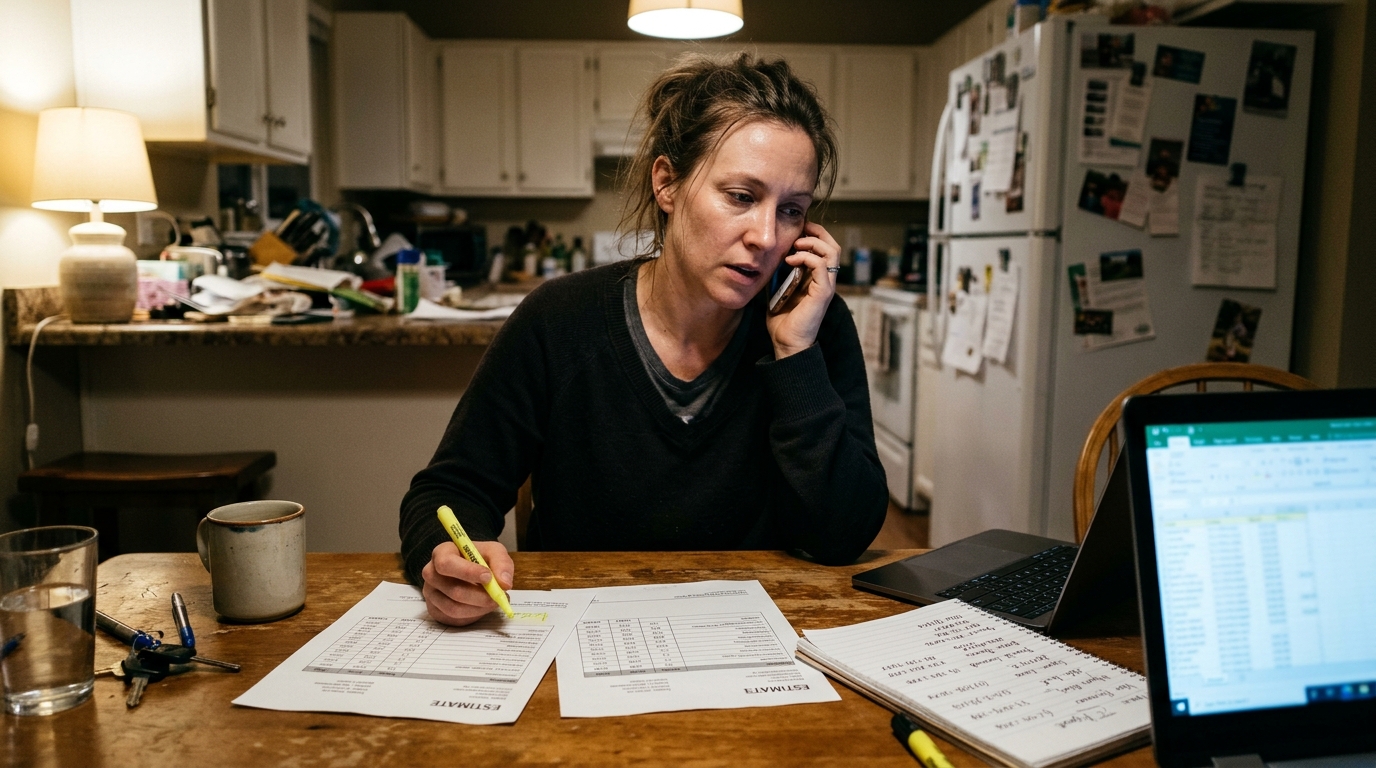
Compare line by line. Highlight each difference: missing parts, lower labor hours, different part types, or skipped procedures.
Ask the shop to explain. A good shop can point to photos, measurements, or manufacturer repair guidance that supports each line.
Request a written explanation from the insurer. Ask why each disputed item was reduced or left out.
Submit a supplement request. The shop sends documentation of the additional damage or repair steps to the insurer for review.
Request a re inspection if needed. An adjuster can look at the car in person while it is partly disassembled.
Follow up and keep notes. Record dates, names, and what was agreed.
Most disputes end at step five or six, once the insurer sees the evidence.
What a Supplement Actually Is
A supplement is an add on to the original estimate. It covers damage or repair operations that were not visible at the first inspection, such as bent brackets behind a bumper cover or a cracked sensor mount. The shop documents the new findings, sends them to the insurer, and the insurer reviews them and either approves, adjusts, or denies the additional amount.
Supplements are a normal part of collision repair, so do not panic if your shop mentions one. Do keep an eye on the process. Ask your shop to tell you every time it submits one, and ask your adjuster to confirm receipt. Delays often happen because supplements sit in a queue, so polite follow ups matter.
Build Your Evidence File
Strong documentation turns an argument into a conversation. Gather:
The insurer's estimate and every revision
The shop's itemized estimate and supplement requests
Photos and video of the damage before and during teardown
Repair procedures or notes from the vehicle manufacturer, if the shop has them
Records of calls, emails, and dates
Receipts for related costs such as rentals or storage
Photos taken at the scene and in the first days after the crash are especially useful, because they show the original condition. If you have already organized your pictures, add the shop's teardown photos to the same folder.
Questions Worth Asking Your Adjuster
You do not need to be confrontational. Calm, specific questions get better answers than general complaints. Try asking:
Which line items are you not approving, and what is the reason for each? Did you inspect the car in person, or work from photos? What repair procedure or reference supports the lower labor time? Will you review the shop's supplement and its photos? Can you send me your position in writing? These questions put the burden on the insurer to explain its numbers, and the written answers become part of your file.
Red Flags to Avoid
Some behavior can hurt your claim or your safety:
The Illinois Department of Insurance warns that insurers consider it fraud if a repair shop offers to inflate your estimate to cover your deductible. Do not agree to anything like that, no matter how friendly the pitch. Be cautious if anyone pressures you to sign a repair authorization before you understand the scope, or if the car is being repaired without the shop documenting the damage. Never accept a repair that skips structural or safety related work just to match a lower number. If something feels unsafe, ask for a second opinion from another reputable shop.
If Talks Stall: Appraisal and the Department of Insurance
When you and the insurer cannot agree, you still have options. Many policies include an appraisal clause, which lets each side choose an independent appraiser who then work toward a resolution. Check your policy for the exact process and any costs. You can also contact the Illinois Department of Insurance with questions or to file a complaint if you believe your insurer is not following the rules. For complex disputes, injuries, or large amounts of money, consider speaking with a licensed attorney.
Keep Your Car Safe and Your Costs Down While You Wait
Disputes can drag on, and a stalled repair often means the car sits at a shop or lot. The Illinois Department of Insurance notes that an insurer must give reasonable notice before it stops paying for storage so you have time to move the vehicle. Ask who is covering storage and for how long, and get that answer in writing.
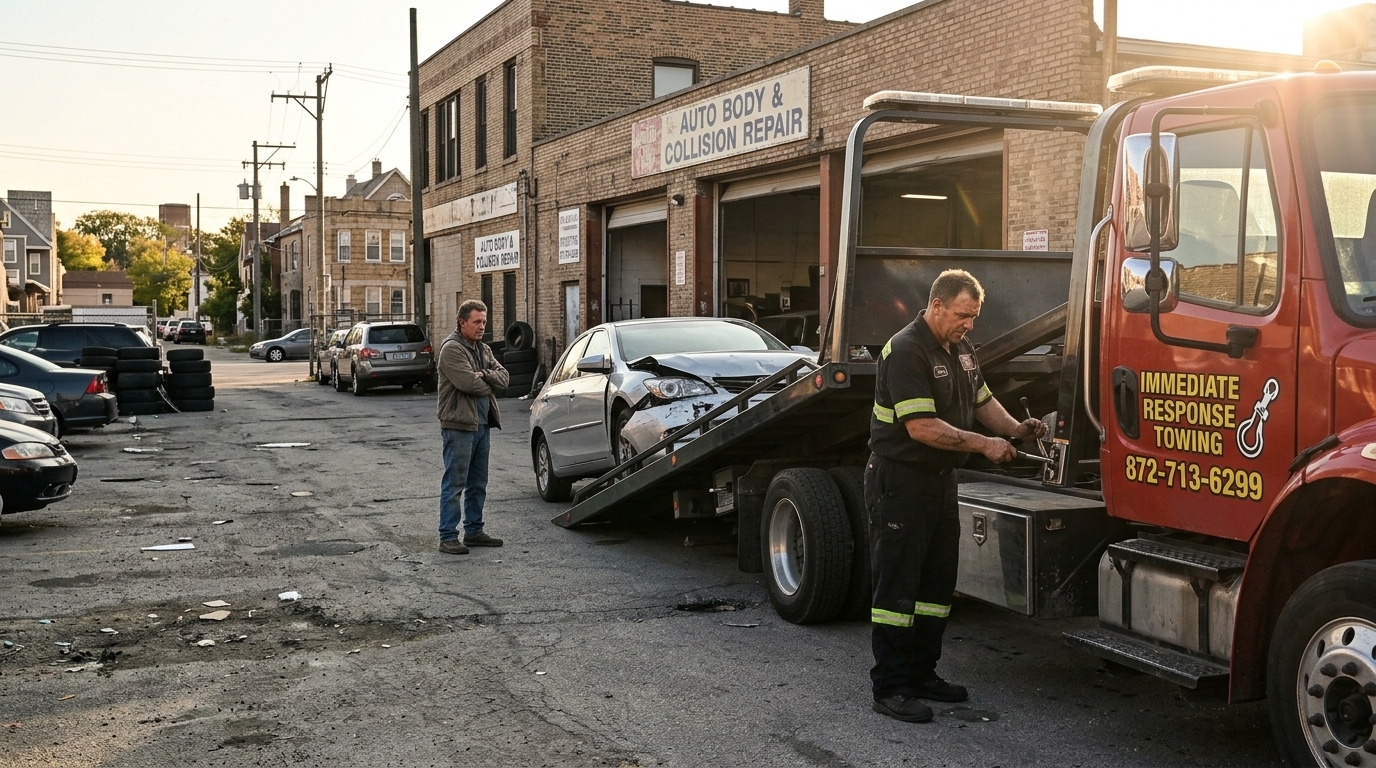
If your car needs to be moved from one location to another during the dispute, Immediate Response Towing can help with vehicle recovery across Chicago, and the accident recovery towing page explains how that service works. Keep every receipt and note the date of any move for your claim file.
The Bottom Line
When an insurer and a body shop disagree about damage, the gap usually comes down to hidden damage, labor, parts, or repair procedures. Get both estimates in writing, compare them line by line, ask for explanations, and let the shop submit a supplement with photos and documentation. Keep a tidy evidence file, avoid shortcuts, and escalate through your policy's appraisal clause or the Illinois Department of Insurance if needed. A calm, organized approach gives you the best chance of getting your car repaired properly and getting back on the road.