
What Happens When an Insurance Company Totals Your Car? A Plain English Guide
What Happens When an Insurance Company Declares Your Car a Total Loss?
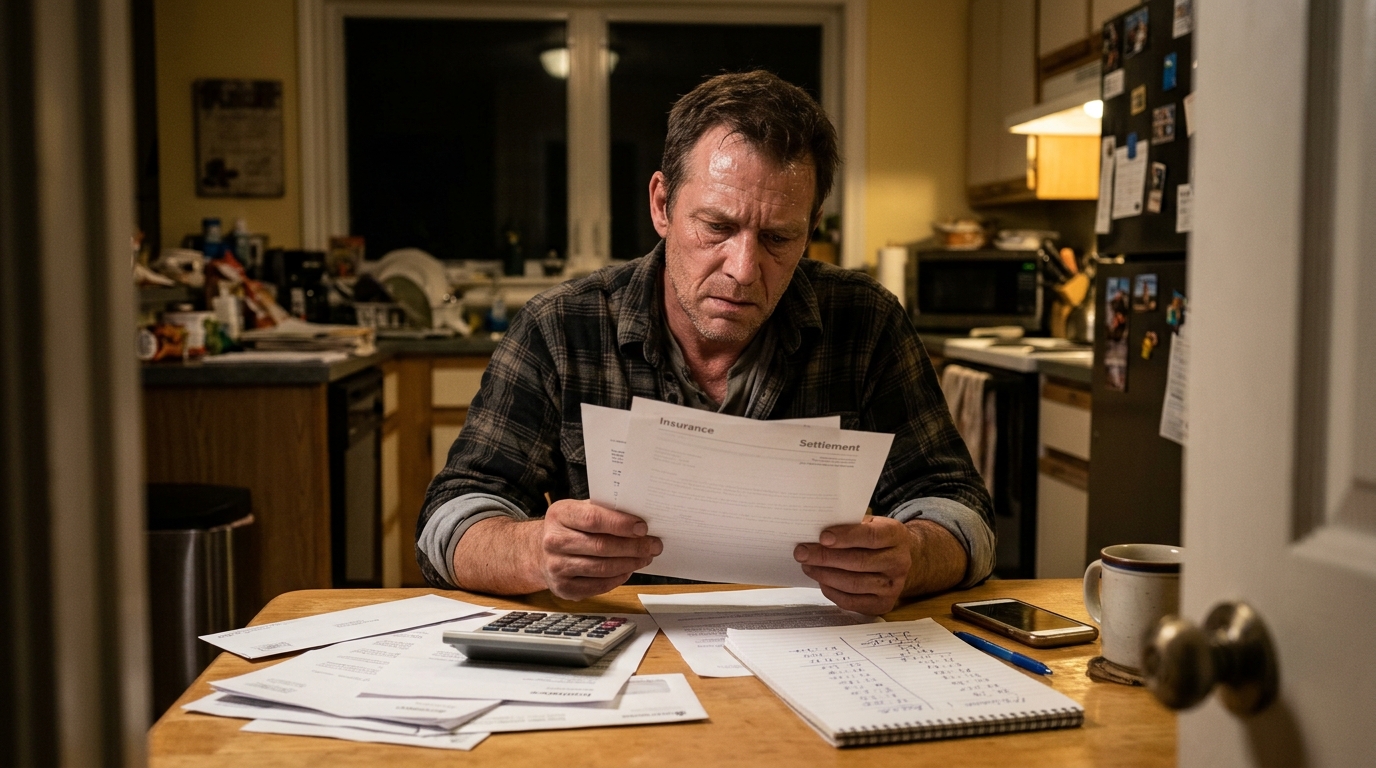
The call comes a few days after the crash. Your adjuster says the words no one wants to hear: your car is a total loss. Suddenly you are juggling a settlement number, a lender, a pile of forms, and a vehicle you may still love. The process feels confusing because every step has a different rulebook. This guide walks through what happens when a car is totaled by insurance, from the moment the insurer makes the call to the day the title changes hands. We focus on Illinois, but policies and rules vary, so always confirm details with your own insurer and the state.
What "Total Loss" Actually Means
A total loss does not always mean the car is flattened or unrecognizable. It means the insurer has decided that repairing the vehicle makes less financial sense than paying you its value. Repair costs, the car's pre crash market value, and what the wrecked vehicle could sell for as salvage all feed that decision. A newer car with expensive sensors and a bumper full of damage can be totaled faster than you would expect, while an older car with a few dents may be repaired.
Illinois also has rules about when a damaged vehicle must be treated as salvage. Under Section 3-117.1 of the Illinois Vehicle Code, when an insurer pays a total loss claim, it generally has to apply for a salvage certificate through the Secretary of State. The insurer is also supposed to promptly send in the title and application, within 20 days.
How the Insurer Decides What Your Car Is Worth
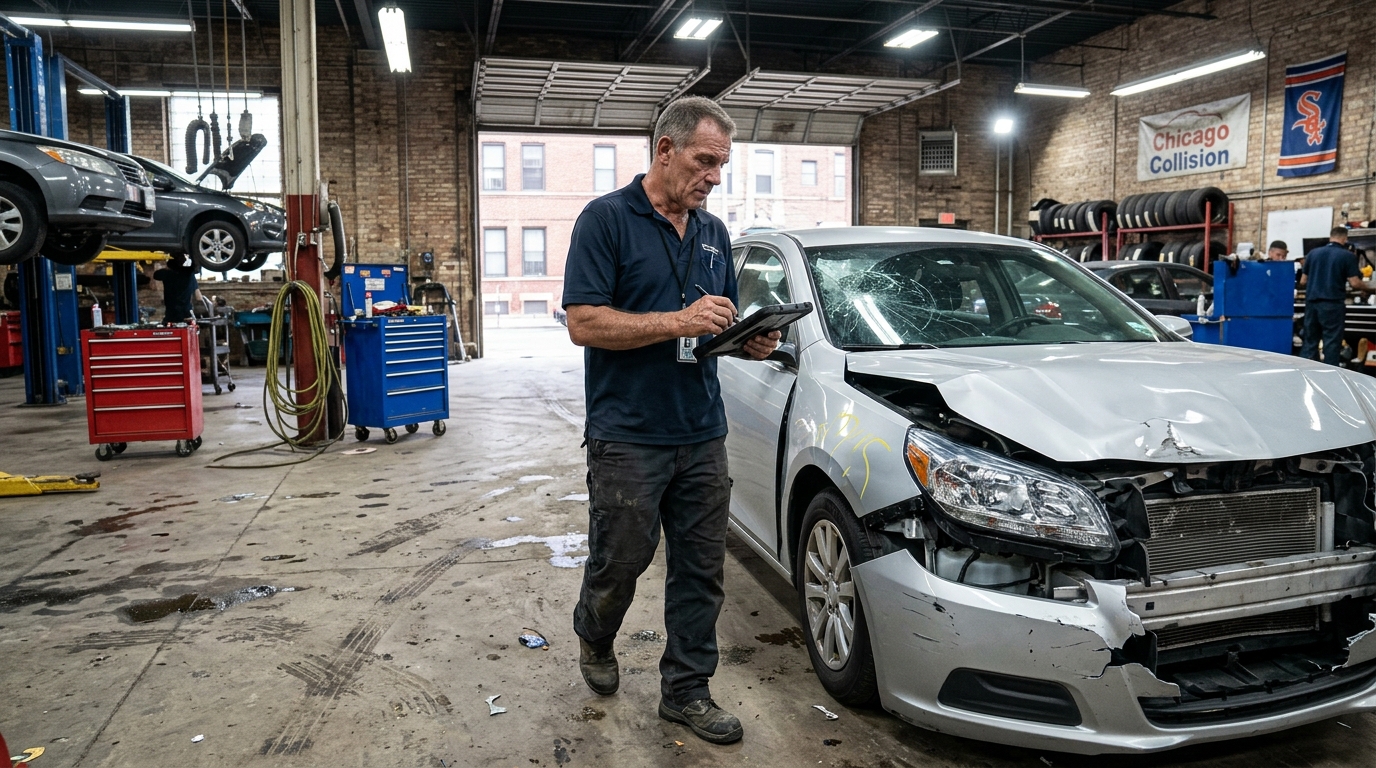
This is where most disagreements start. If the insurer offers a cash settlement, the Illinois Department of Insurance explains that it must first determine the vehicle's retail value, typically using guidebooks or computerized valuation data. If your car is not listed, written dealer quotes can be used. Advertisements are generally not accepted as a source of market value.
Valuation usually considers:
Year, make, model, trim, and mileage
Condition before the crash, including options and upgrades
Prices of comparable vehicles sold or listed in your area
Any deductions for old, unrepaired damage
That last item is called a betterment or condition deduction, and the Department notes insurers may deduct for earlier unrepaired collision damage. Ask for the valuation report in writing so you can see exactly how the number was built.
The Total Loss Process, Step by Step
Every claim has its own pace, but most follow this path:
Report the loss. Contact your insurance company right away. Illinois guidance tells policyholders to report losses immediately.
Inspection and estimate. An adjuster or shop assesses the damage and compares repair costs to value.
Total loss declaration. The insurer informs you that the car will not be repaired.
Valuation and offer. You receive a settlement figure and a written explanation of how they reached it.
Negotiation or acceptance. You can accept, ask questions, or submit evidence that the car was worth more.
Lienholder payoff. If you have a loan or lease, the insurer typically pays the lender first.
Paperwork and title transfer. You sign over the title and complete any forms the insurer needs.
Payment and vehicle release. You receive the remaining balance, and the insurer takes possession of the car.
Timelines depend on the company, how busy repair shops are, and how fast the paperwork moves. Keep notes on every call, including date, time, and the person you spoke with.
Breaking Down the Settlement Offer
A fair offer is more than the car's sticker value. Look for these pieces:
Actual Cash Value
This is the market worth of your car just before the crash, not what you paid for it and not what you still owe.
Deductible
If you filed under your own collision coverage, your deductible comes off the payment. If another driver was at fault and their insurer is paying, you generally do not pay a deductible, though the process differs.
Sales Tax, Title, and Transfer Fees
Illinois regulations address this. If you buy a replacement within 30 days and can prove it, the insurer must pay the applicable sales tax, transfer fees, and title fees in an amount tied to your totaled vehicle's value. Ask your adjuster how to document the purchase so you get this reimbursed.
Other Add Ons
Policies may include extras, such as rental coverage or personal property coverage. Read your policy to see what applies.

What If You Still Owe Money on the Car?
If you have a loan, the settlement goes to the lender first, and you receive whatever is left, if anything. When the car is worth less than your balance, you may owe the difference, which is why some drivers carry gap coverage or loan protection. Call your lender as soon as you hear the total loss news. Ask for a payoff amount that is good through a specific date, and confirm that the lender will release the title once it is paid. Keep making payments until the lender confirms the loan is closed, so you do not damage your credit while waiting.
Title Paperwork and Where the Car Goes Next
Once the insurer pays, the vehicle becomes salvage, and the insurer typically becomes the owner. It will usually sell the wreck through a salvage auction or a dealer, who may repair it, part it out, or recycle it. The Illinois Department of Insurance has stated that the Vehicle Code does not generally give you the right to keep a car once your insurer has deemed it a total loss, though the state's rules have carve outs for some older vehicles, so ask your insurer and the Secretary of State if you want to keep yours.
A car that is repaired and returned to the road after being declared salvage is branded with a salvage or rebuilt history. That affects resale value, insurability, and registration, so think carefully before buying one back.
Disagree With the Number? Here Is What to Do
You are allowed to push back politely and with proof. Gather:
Maintenance records and receipts for new tires, brakes, or major repairs
Photos of the car's condition and upgrades before the crash
Listings or dealer quotes for truly comparable vehicles nearby
The insurer's valuation report, with errors circled
Your policy's appraisal clause, if it has one
Send your case in writing and keep copies. If you still cannot reach a fair settlement, ask about the appraisal process in your policy and consider contacting the Illinois Department of Insurance total loss resources, which explains your rights and how to file a complaint. This article is general information, not legal advice, so for complicated disputes speak with a licensed attorney.
Before You Hand Over the Keys
Remove everything personal before the car leaves your hands. That means documents, child seats, toll transponders, garage openers, and anything in the trunk. Take photos of the odometer and the interior. Cancel or transfer your license plates according to Illinois rules, and do not cancel your insurance until the claim is closed and you have replacement coverage lined up.
Where Your Car Waits While This Happens
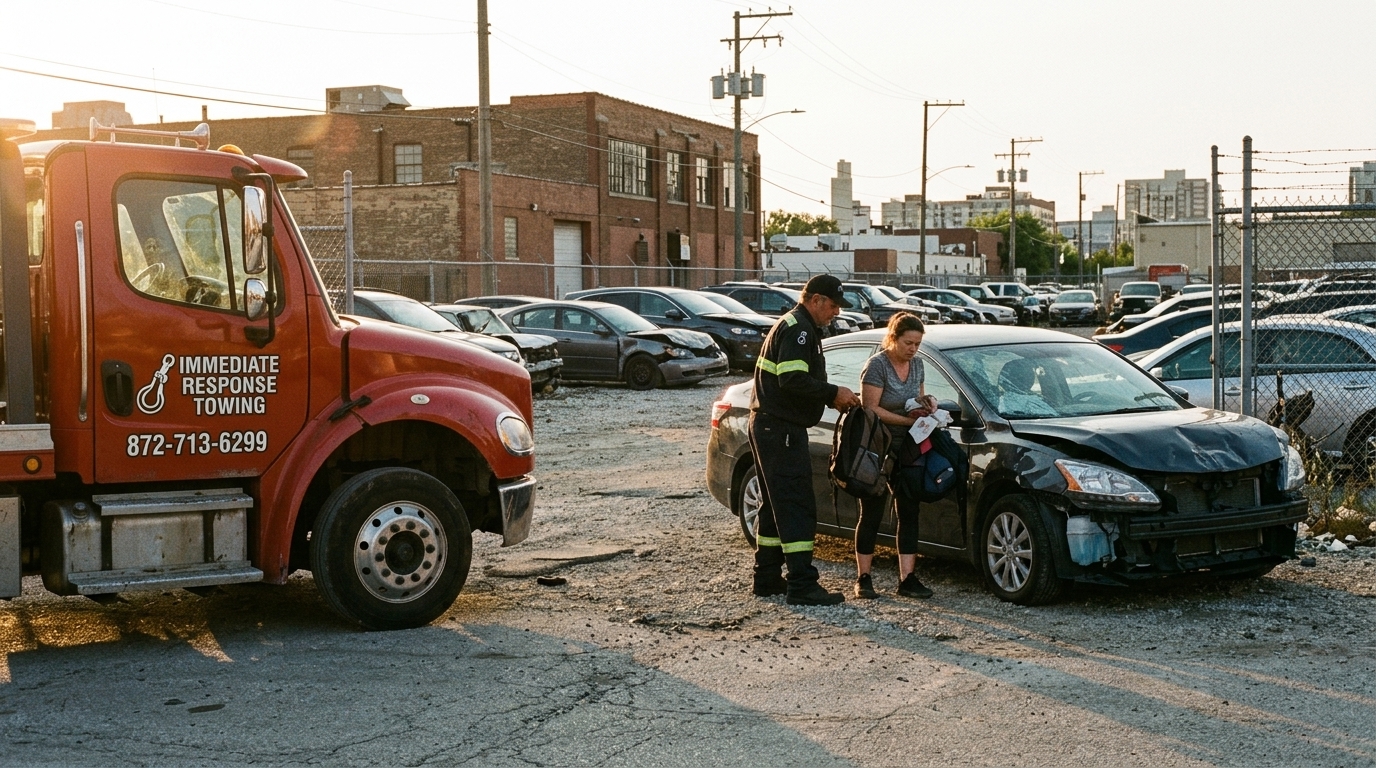
A totaled car often sits at a tow yard or body shop while paperwork moves along. Ask your insurer which location holds the car and who covers storage fees. If your vehicle is still at the scene or needs to be moved to a lot, Immediate Response Towing can handle recovery across Chicago, and the accident recovery towing page explains how that works. Moving quickly can help you avoid unnecessary storage delays while the claim finishes.
The Bottom Line
When an insurer declares a car a total loss, the process comes down to valuation, settlement, lender payoff, and title transfer. Ask for the valuation report in writing, confirm how tax and fees will be handled, call your lender immediately, and keep documentation of everything. If the offer feels low, challenge it with evidence rather than frustration. Understanding each step turns a stressful surprise into a manageable checklist, and gets you back on the road in a replacement vehicle faster.