
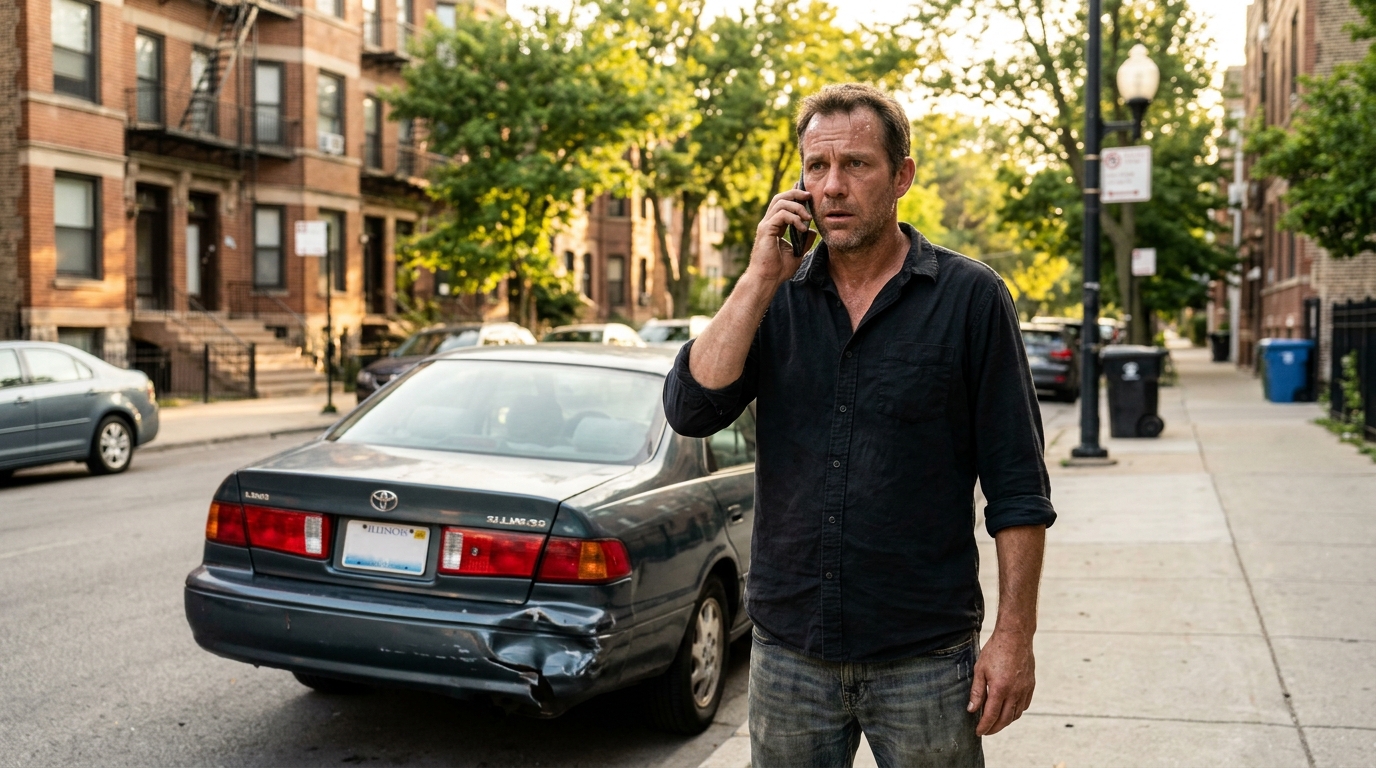
What to Do After a Hit and Run in Chicago: Report, Record, and Claim Steps
What to Do After a Hit and Run in Chicago: A Clear Plan for the First Hours and Days
One second you were driving or parked, and the next there is a crunch, a flash of taillights, and an empty street. A hit and run leaves you with a damaged car, a pounding heart, and a question that feels impossible: now what? The right moves in the first hours can protect your safety, support a police investigation, and keep your insurance options open. This guide covers what to do after a hit and run in Chicago, from calling for help to recording details, reporting the crash, and following up with your insurer. It is general information, not legal advice, so check the specifics with the agencies and professionals involved.
Step One: Get Safe and Check for Injuries
Before you think about paperwork, think about people. Move to a safe spot out of traffic if you can, and turn on your hazard lights. Check yourself and any passengers for pain, dizziness, or visible injuries. If anyone is hurt, or if you feel unsafe, call 911 right away. Adrenaline can hide symptoms, so consider getting checked by a medical professional even if you feel fine. Do not chase the other vehicle. Speeding after a fleeing driver puts you and others at risk, and the police can handle the search.
The First Hour: A Calm Checklist
Once you are safe, work through these steps in order:
Call the police. Dial 911 if there are injuries or danger. For crashes without injuries, tell the dispatcher it was a hit and run and ask how an officer will respond or how to file the report.
Stay where you are. Remain at the scene until officers arrive, unless you need medical care or it is unsafe.
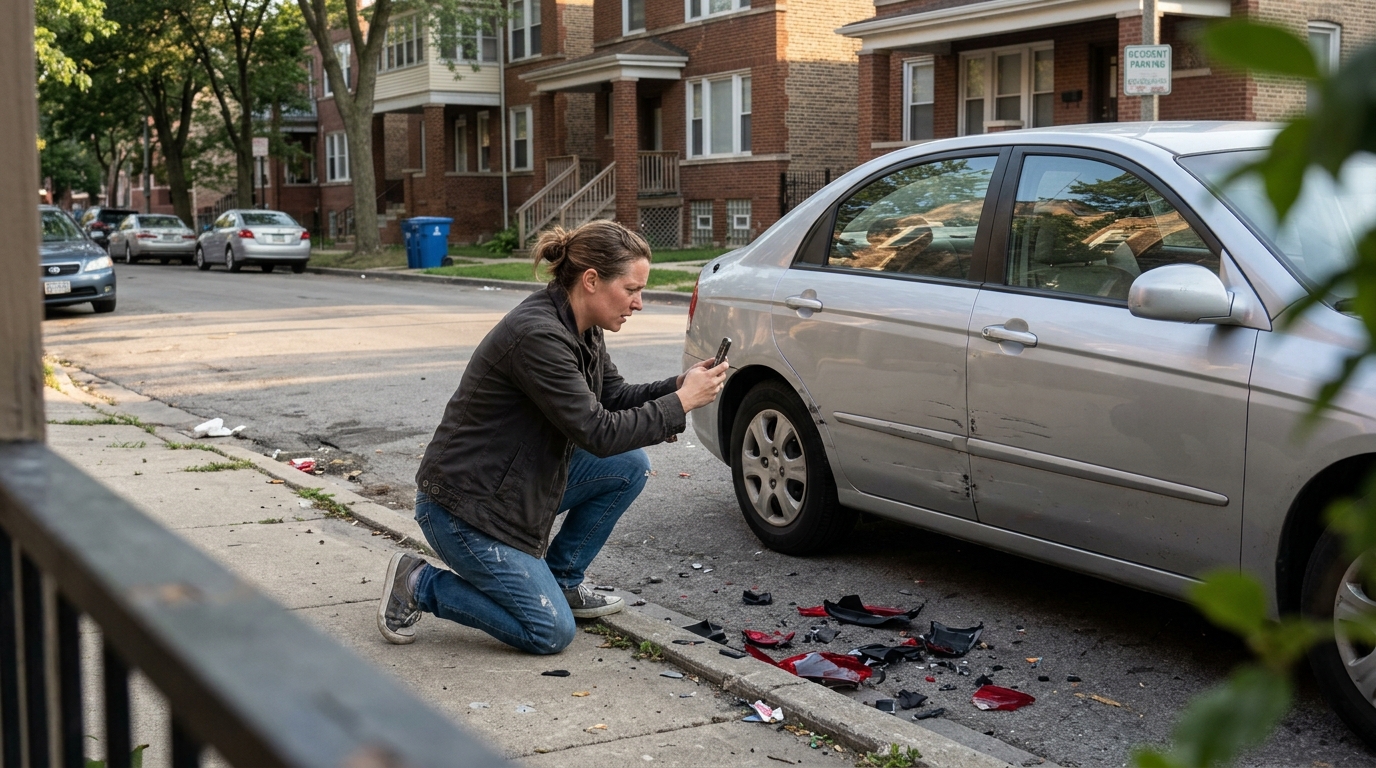
Photograph everything. Capture your damage, the street, any debris, paint transfer, and skid marks from a safe position away from traffic.
Look for witnesses and cameras. Ask nearby people for contact details, and note any businesses, traffic cameras, or doorbell cameras that may have caught the moment.
Get the report number. Ask the responding officer for the police report number before they leave, since you will need it for your insurer.
Tell someone you trust. A quick text to a family member creates a time stamped record and gives you support.
These six actions cover the essentials. If you only manage a few, make them calling the police, getting the report number, and taking photos.
What to Write Down While Your Memory Is Fresh
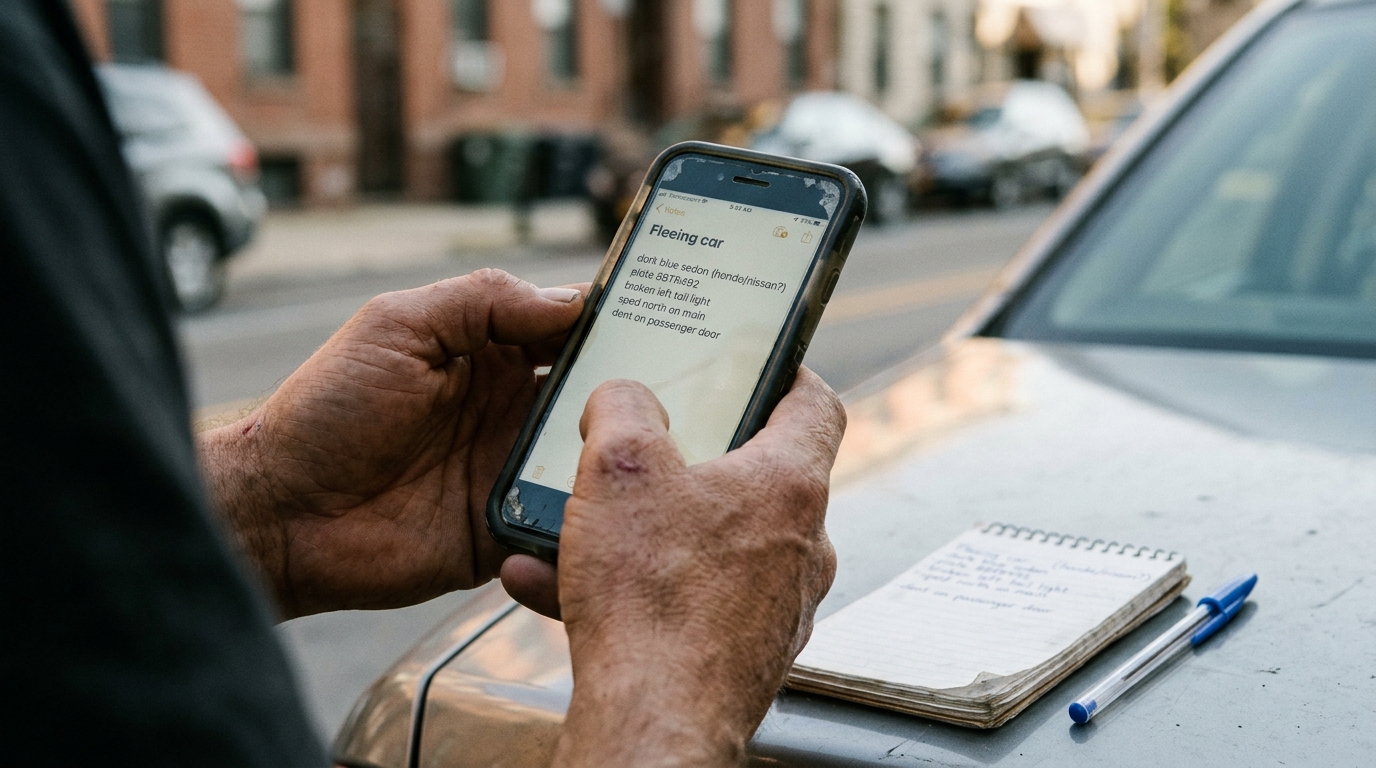
Details about a fleeing vehicle fade within minutes, so open the notes app on your phone and record everything you remember. Even partial information can help investigators.
The make, model, color, and any distinctive features of the other vehicle
Any part of the license plate, even just a few characters or the state
The direction the vehicle went and the time it left
A description of the driver or passengers, if you saw them
The exact location, including the cross street or nearest address
Names and numbers of witnesses
Anything you heard, such as shouting or a horn
Do not guess or fill in blanks you are unsure about. Write only what you actually saw. A partial plate marked as uncertain is more useful than a confident but wrong one.
Reporting a Hit and Run in Chicago
A police report is the backbone of your follow up. It creates an official record of the event, documents what you saw, and gives your insurer something concrete to review. Illinois law also requires drivers to stop and remain at the scene of a crash involving injury, death, or damage, and leaving is treated seriously. If you are not sure how to file, call 311 in Chicago for the non emergency line, or ask the dispatcher you reached at 911.
When an officer takes your report, answer clearly and stick to the facts. Provide your insurance information, share the details you wrote down, and mention any cameras you spotted nearby. Ask what the next steps are and whether detectives may contact you. Keep your copy of the report or at least the report number safe. If you later need the full document, the process for requesting it is separate and worth reading about on its own.
Notify Your Insurance Company Quickly
Call your insurer as soon as you can, ideally the same day. Tell them it was a hit and run, give the police report number, and describe the damage and any injuries. Delays can complicate things, because policies often set short windows for reporting to police and to the insurer. Read your policy or ask your agent to explain the exact deadlines that apply to you.
Your coverage matters here. Illinois law, in Section 143a of the Illinois Insurance Code, addresses uninsured and hit and run motor vehicle coverage. In general terms, uninsured motorist coverage can help with injuries when the at fault driver cannot be identified. Coverage for damage to your car is different. Uninsured motorist property damage coverage can be declined in writing, and many drivers instead rely on collision coverage. Ask your insurer which coverages you carry, how your deductible works, and what documents they need from you.
Handling the Damaged Car
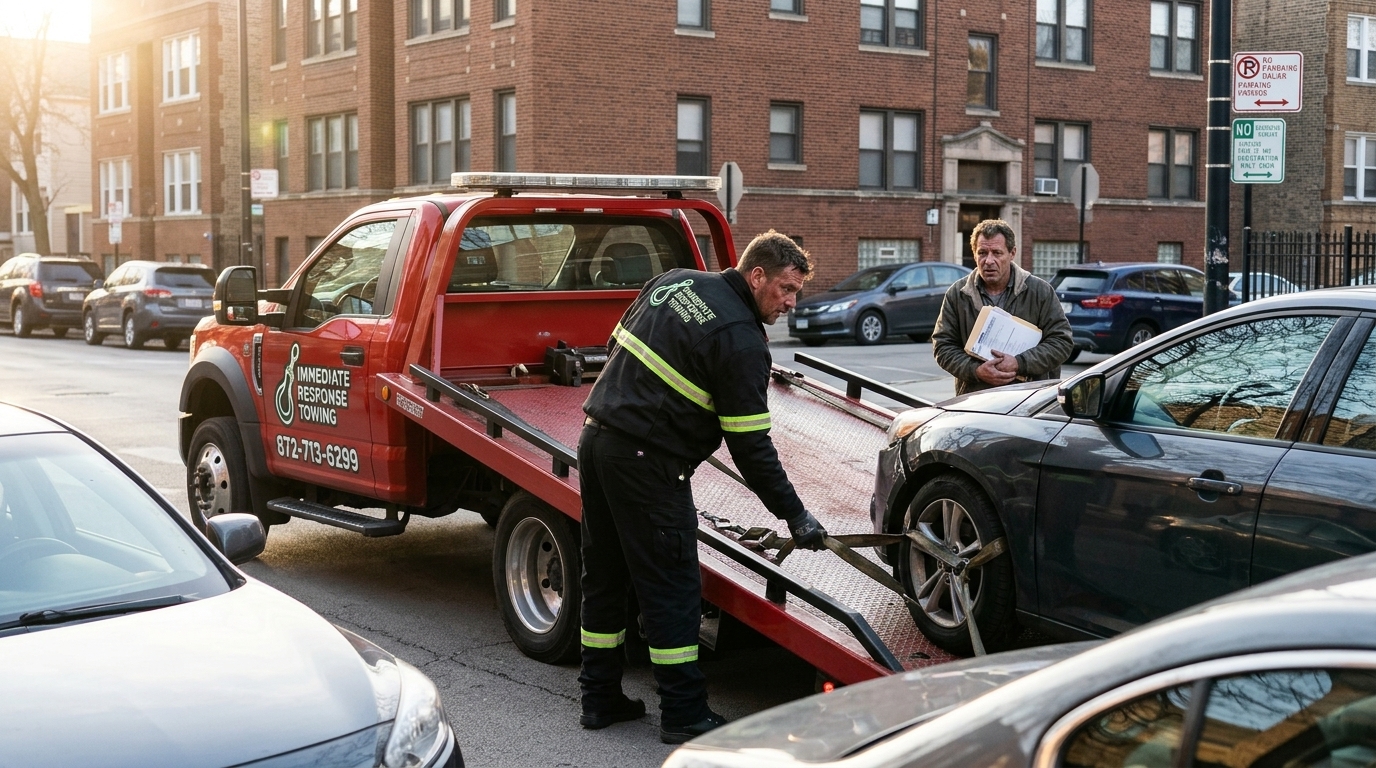
Your vehicle may be drivable, damaged but unsafe, or completely stuck. Do not drive it if you see leaking fluids, warning lights, steering trouble, or broken lights. Driving a compromised vehicle risks your safety and can make the damage worse. If the car cannot move safely, arrange a tow instead of pushing your luck.
Immediate Response Towing can help move a disabled car from the scene to a shop, home, or secure lot across Chicago, and the accident recovery towing page explains how recovery works after a collision. Before the car leaves, take photos of the damage and save your tow receipt, since your insurer may ask for it. Tell the shop that this was a hit and run so they document the damage accordingly.
Follow Up Without Losing Momentum
Hit and run investigations can take time, and many are never solved. You can still stay organized and proactive:
Save your police report number, claim number, and the names of everyone you speak with.
Keep copies of repair estimates, medical visits, and receipts for anything related to the crash.
Check in with the police and your insurer periodically, politely and in writing when possible.
Share any new information you recall, such as a camera you remembered or a witness who contacted you.
If you were hurt, keep every medical record and follow your provider's advice. Injuries can show up days later, and a gap in treatment can raise questions with your insurer.
When to Consider Professional Advice
If you suffered serious injuries, your insurer denies the claim, or you are unsure how your policy applies, a licensed attorney or a consumer advocate can help you understand your options. The Illinois Department of Insurance also accepts consumer questions and complaints about insurers. Deadlines for claims and lawsuits exist in Illinois, so do not wait too long to ask questions.
The Bottom Line
After a hit and run in Chicago, your plan is simple: get safe, call the police, record every detail you can, get the report number, and notify your insurer quickly. Handle the damaged car safely, keep your paperwork organized, and follow up steadily. You cannot control whether the other driver is found, but you can control how well documented and protected your claim is. Acting calmly and quickly in the first hours gives you the strongest footing for everything that comes next.