Who Pays for Towing After a Hit and Run Accident? Your Coverage Options
Who Pays for Towing After a Hit and Run Accident? Here Is What Chicago Drivers Should Know
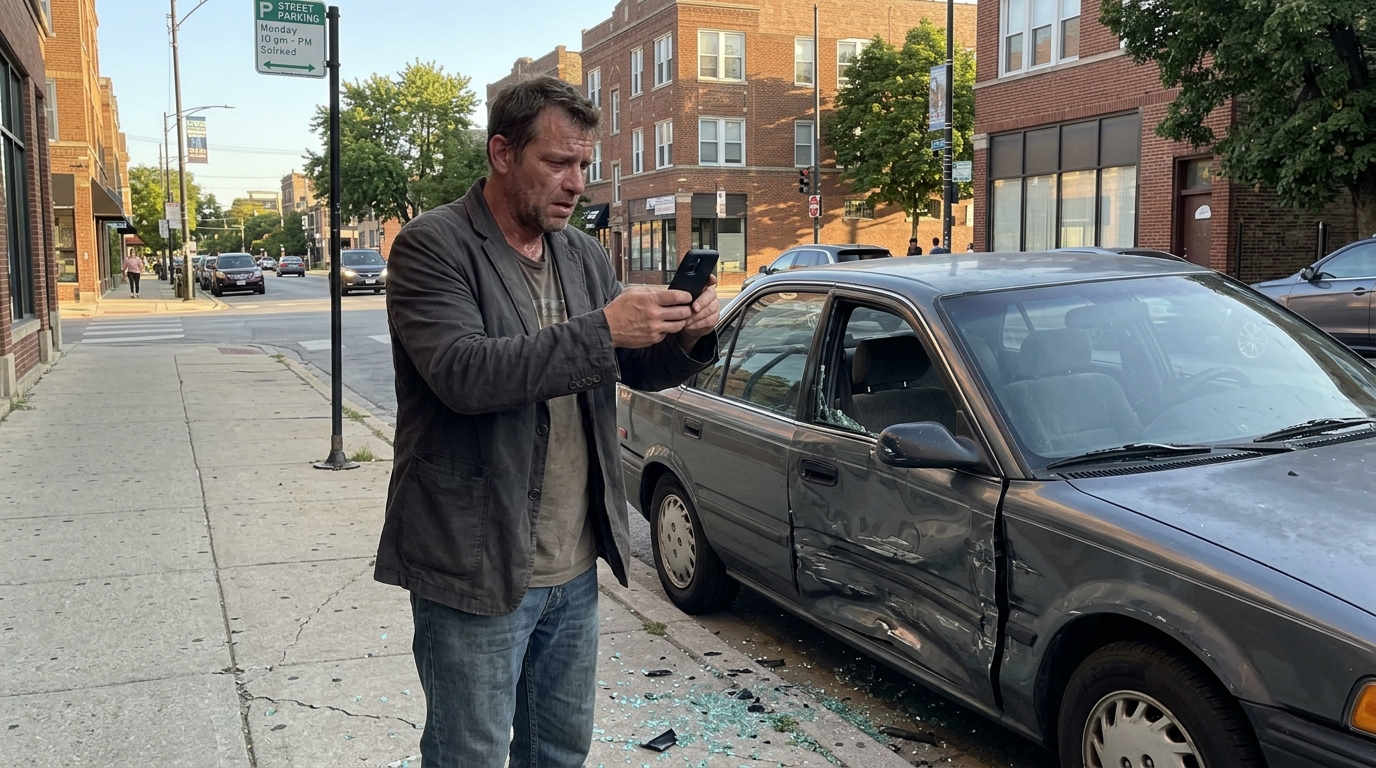
You walk back to your parked car and find a crumpled fender, shattered glass, and no note. Or someone clips you at an intersection and speeds away. Your car cannot be driven, and the first thing you need is a tow. The second thing you wonder is who is going to pay for it.
The honest answer is that the driver who fled will not be paying, at least not right away. The bill usually lands with you first, and whether you get that money back depends on your own insurance policy. This guide explains which coverages may help, when you may be on your own, and how to protect your claim from the first minute.
The Short Answer: It Depends on Your Policy, Not the Driver Who Left
No single coverage pays for every hit and run tow. Policies differ by insurer, by state, and by the options you chose when you bought it. Some drivers get the full tow reimbursed. Others pay a deductible. Some pay everything out of pocket because they skipped optional coverage.
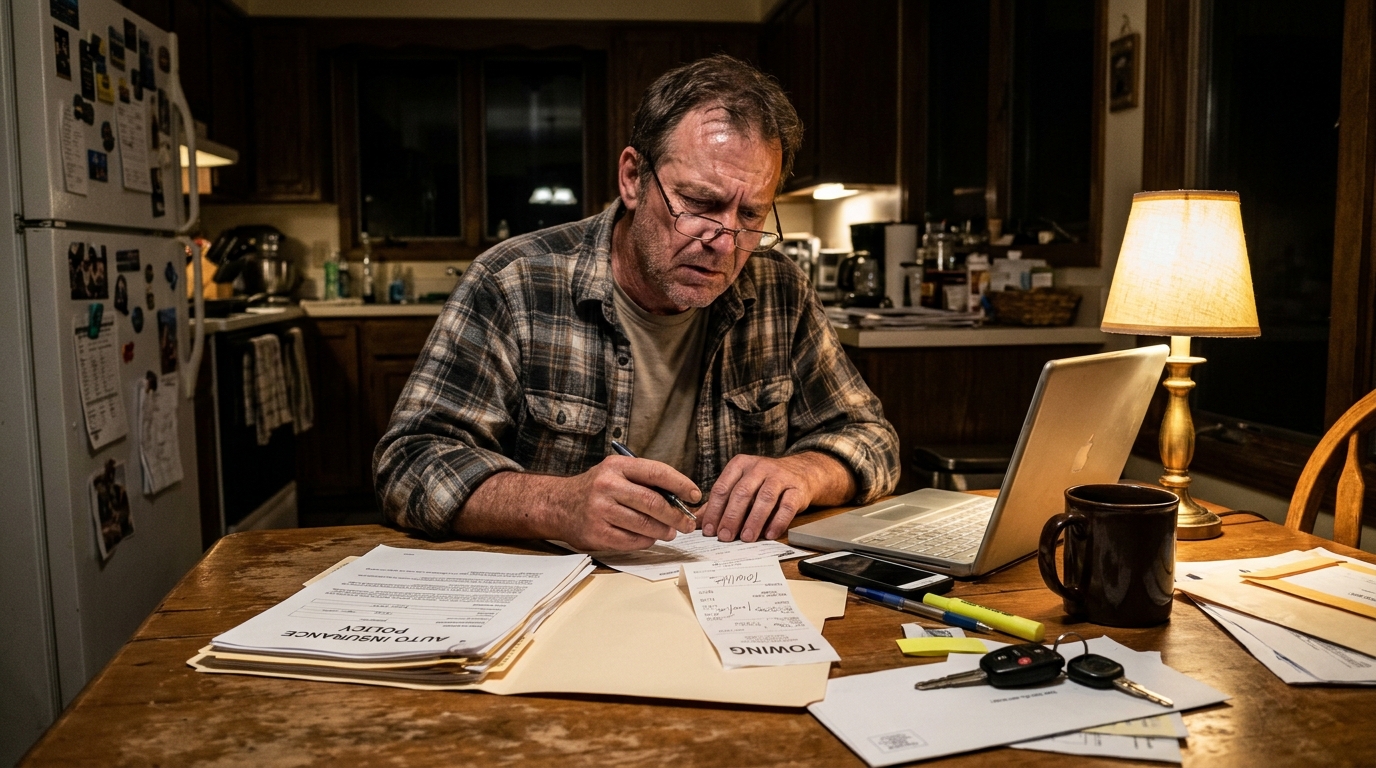
A tow after a hit and run is usually treated as part of your vehicle damage claim. That means the coverage that repairs your car is often the same coverage that may reimburse the tow. If you are unsure what you carry, your declarations page lists every coverage on your policy, and it is worth checking before you call anyone.
Coverages That May Pay for Your Hit and Run Tow
Collision Coverage
Collision coverage pays for damage to your car from an accident, and it applies whether or not you were at fault. Because a hit and run still counts as a collision with another vehicle or object, many drivers use this coverage after the other driver disappears. State insurance regulators note that collision is always sold with a deductible, so you may absorb part of the cost. The tow may be included in the claim, but you should confirm that with your insurer instead of assuming it.
Collision is optional unless you have a car loan or lease. If your lender requires it, you likely already have it.
Uninsured Motorist Property Damage Coverage
When a driver flees, many insurers treat that driver as uninsured. Uninsured motorist property damage coverage, often shortened to UMPD, can pay for vehicle repairs in that situation. Rules vary a lot here. Some states offer UMPD and some do not. Some require that the other driver be identified, or that physical contact with your vehicle occurred, before the coverage applies. Collision coverage often fills that gap because it does not depend on finding the other driver.
If both coverages could apply, your insurer can help you decide which claim to file. The choice can affect your deductible and how your premium changes later, so it is worth asking before you commit.
Towing and Labor or Roadside Assistance Coverage
This is the add on many drivers forget they have. Towing and labor coverage, sometimes called emergency road service, pays the cost of towing a disabled vehicle, usually up to a set dollar amount or mileage limit. Your insurer may offer it on the policy itself, and some credit cards, auto clubs, and new car warranties include similar benefits.
Check the limits carefully. A policy that covers a short tow may not cover a longer haul to a specific repair shop or the cost of storage if your car sits for several days.
When Nothing Covers the Tow
Here is the part most articles skip. If you carry only the state minimum liability insurance, you may not have any coverage that pays for your own vehicle. Liability coverage pays for damage you cause to others. It does not repair your car or reimburse your tow after someone else hits you and flees.
In that case, your realistic options are:
Paying the tow and storage fees yourself
Pursuing the other driver if police or witnesses can identify them
Asking about any roadside benefit tied to a credit card, auto club, or warranty
The takeaway is simple. A quick check of your policy now can save you from a surprise bill later.
What to Do in the First Hour After a Hit and Run
What you do at the scene can shape how smoothly your claim goes. Follow these steps in order:
Get to safety. Move to a safe spot if you can, turn on hazard lights, and check yourself and any passengers for injuries. Call 911 if anyone is hurt.
Call the police. Most insurers expect a police report for a hit and run, and the report number often becomes the backbone of your claim. In Chicago, request the report number before the officer leaves.
Document everything. Photograph the damage, the street, nearby cameras, skid marks, debris, and any paint transfer. Write down anything you remember about the other vehicle, even partial plate numbers or colors.
Look for witnesses and cameras. Nearby businesses and residential buildings sometimes have footage. Ask quickly, because many systems overwrite recordings within days.
Call your insurer. Report the claim and ask how they want the tow handled before your car is moved, if possible.
Keep every receipt. Save the tow invoice, storage charges, and any rental or rideshare costs you pay while waiting.
Questions to Ask Your Insurer Before You Pay for the Tow
A short call can clear up most of the confusion. Ask whether your tow will be handled under collision, UMPD, or a towing and labor benefit. Ask whether the tow is reimbursed in full or whether a deductible applies. Ask whether there is a dollar limit or mileage cap, and whether storage fees are covered and for how many days.
Also ask whether you can choose your own tow company or must use a preferred provider. Many policies let you pick, though some insurers steer you toward partners. Knowing this before the truck arrives avoids a billing dispute afterward.
Finally, ask how and when reimbursement is paid. Some insurers pay the tow company directly. Others expect you to pay first and submit the invoice.
Why Your Paperwork Decides How Fast You Get Reimbursed
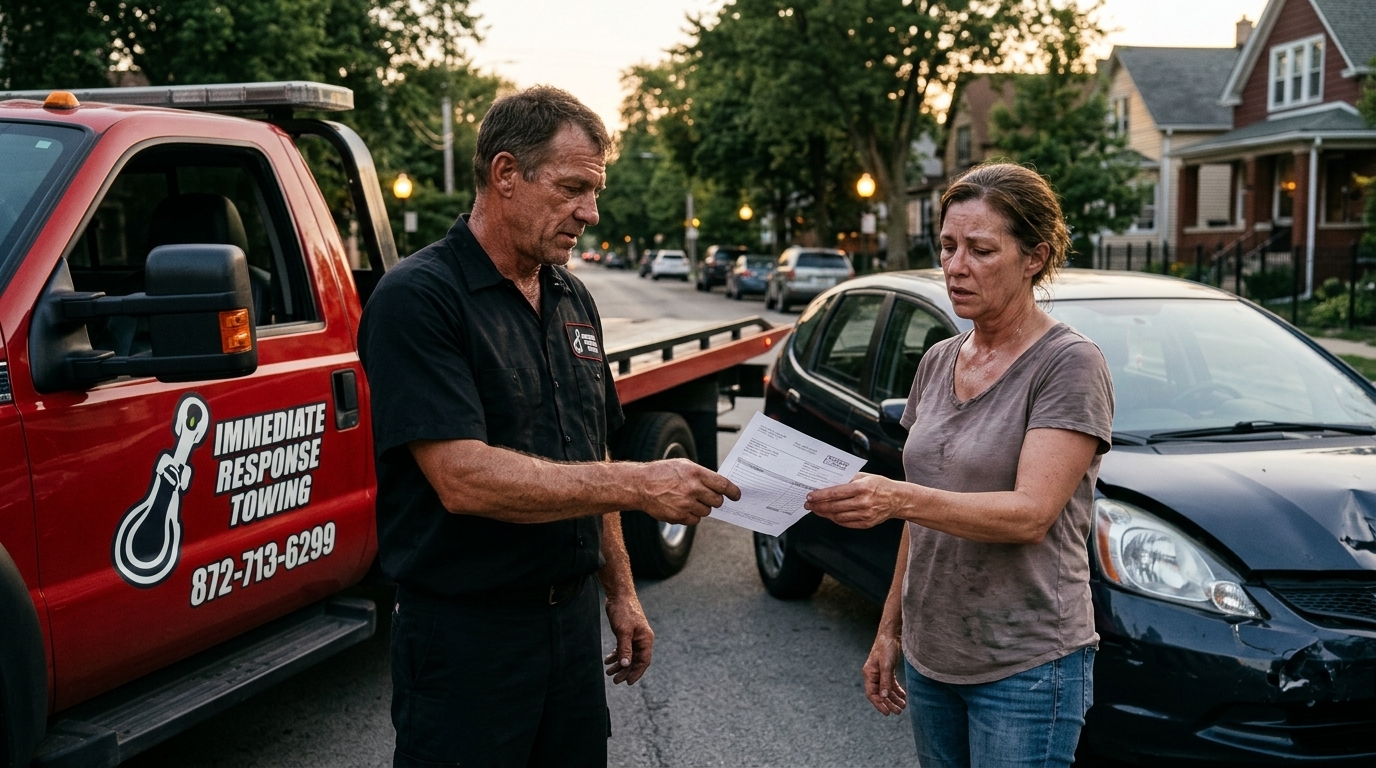
Insurers pay faster when a claim is clean. An itemized tow invoice should list the pickup location, destination, date and time, mileage, and each charge. Vague handwritten receipts slow claims down and sometimes lead to partial reimbursement.
Storage is where costs climb fastest. If your car sits at an impound lot or a tow yard, daily fees can stack up while you wait on an adjuster. Ask your insurer to inspect the vehicle promptly, or have it moved to a repair shop as soon as your claim is open. According to guidance from state insurance regulators, the steps you take after a hit and run are similar to a standard accident, so acting quickly and documenting everything matters. For a plain English overview of how insurers treat these claims, the Texas Department of Insurance explains hit and run coverage in a clear and consumer friendly way, even though your Illinois policy terms will be your final guide.
Choosing a Tow Company You Can Trust After a Hit and Run
A hit and run is stressful, and that is when drivers are most vulnerable to inflated quotes or unclear pricing. A reliable provider will tell you the cost up front, document the pickup, and give you an invoice your insurer can accept.
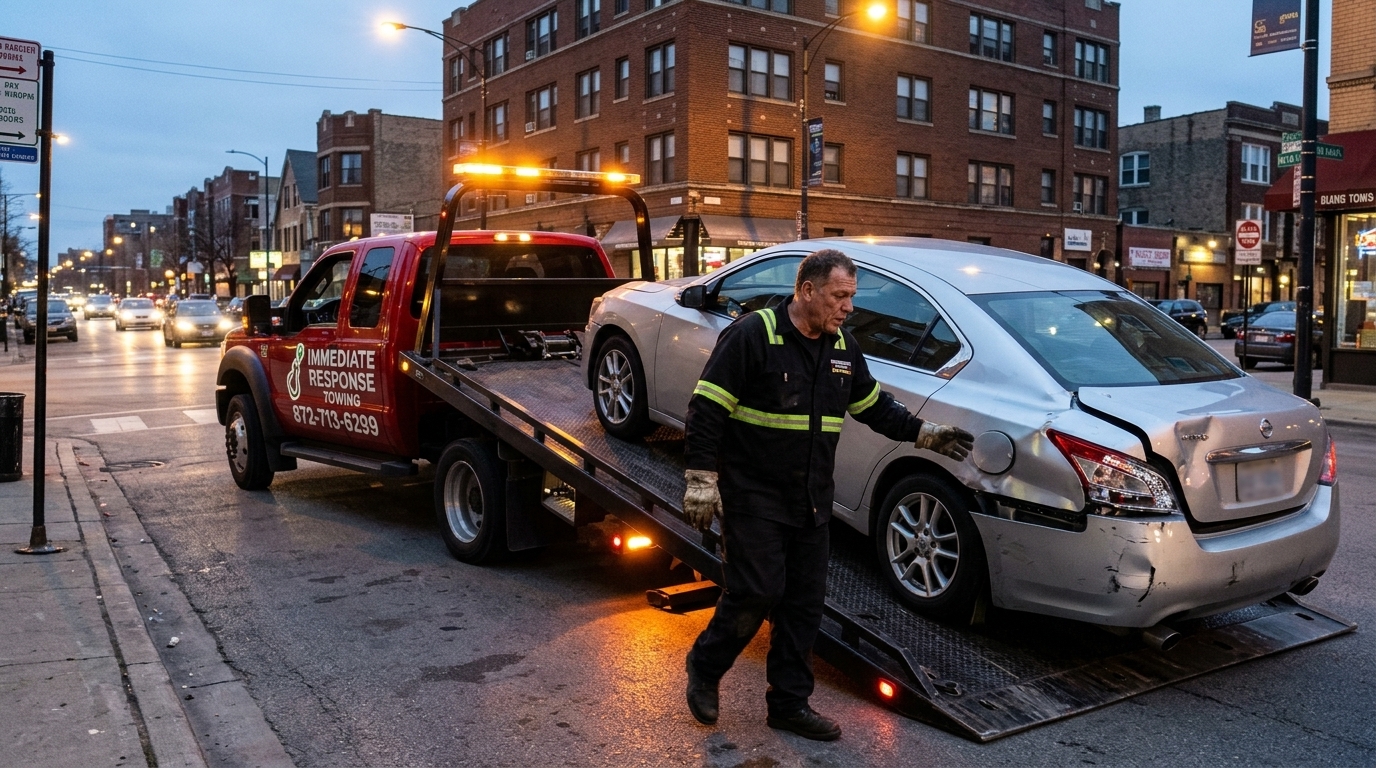
If your car is damaged and cannot be driven, Immediate Response Towing serves Chicago drivers who need a fast, professional tow and straightforward paperwork. Our accident recovery towing service in Chicago is built for exactly this moment: safely loading damaged vehicles, handling them carefully, and providing the documentation you need for your claim.
Quick Answers to Common Questions
Will my rates go up if I file a hit and run claim?
It can happen, though it varies by insurer and by which coverage you use. Some insurers treat a not at fault claim more gently than an at fault one. Ask your agent how each option would affect your premium before choosing.
Can I recover the tow cost if police later find the other driver?
Possibly. If the driver is identified, your insurer may pursue them to recover what it paid, and you may be able to recover your deductible. Keep your records until the claim is fully closed.
Should I wait for my insurer before towing the car?
If the car is unsafe on the road or blocking traffic, do not wait. Get it moved and document everything. A quick call to your insurer is helpful, but your safety and the safety of other drivers come first.
Final Thoughts
After a hit and run, the question of who pays for towing has no one size fits all answer. Your own policy, whether collision, uninsured motorist property damage, or towing and labor coverage, is the most likely source of reimbursement. Check what you carry, call your insurer early, document the scene, and keep every receipt. Do that, and you give yourself the best chance of turning a frustrating night into a claim that gets paid.