
TOWING
Semi Truck Towing Chicago for Commercial Trucks & Tractor-Trailers
Need a Semi Truck tow truck in Chicago? Get help transporting your car, SUV, or small pickup after a breakdown, accident, or unexpected roadside problem.
A disabled semi-truck can disrupt deliveries, delay schedules, and create serious problems for drivers and fleet operators. Immediate Response Towing provides towing assistance for commercial vehicles that cannot safely continue their journey. Whether your tractor-trailer has experienced a mechanical breakdown, accident damage, or another roadside problem, getting the right towing solution is essential.
If you need semi truck towing in Chicago, contact our team to discuss your vehicle, current location, and destination. We can help assess your towing requirements and coordinate the appropriate assistance.

24/7 EMERGENCY SERVICE
15-30 Min
Avg Response
LICENSED & ENSURED

NO HIDDEN FEES

LOCAL EXPERT OPERATORS
Semi Truck Towing Chicago for Commercial Trucks & Tractor-Trailers
Need a Semi Truck tow truck in Chicago? Get help transporting your car, SUV, or small pickup after a breakdown, accident, or unexpected roadside problem.
24/7 Emergency Service
15-30 Mins
Avg Response
Fully Equipped & Professional
Trusted By Industry Experts
A disabled semi-truck can disrupt deliveries, delay schedules, and create serious problems for drivers and fleet operators. Immediate Response Towing provides towing assistance for commercial vehicles that cannot safely continue their journey. Whether your tractor-trailer has experienced a mechanical breakdown, accident damage, or another roadside problem, getting the right towing solution is essential.
If you need semi truck towing in Chicago, contact our team to discuss your vehicle, current location, and destination. We can help assess your towing requirements and coordinate the appropriate assistance.
WE DO
MORE THAN
JUST TOWING

TOWING
ROAD SIDE ASSISTANCE

JUMP START SERVICE
FUEL DELIVERY
LOCK OUT SERVICE

FLAT TIRE SERVICE

AND MORE!
WE DO MORE THAN JUST TOWING
TOWING
ROAD SIDE ASSISTANCE
JUMP
START
FUEL DELIVERY
LOCK OUT SERVICE
FLAT TIRE SERVICE
AND MORE!
Professional Semi Truck Towing Services in Chicago
Semi-trucks are considerably larger and heavier than standard passenger vehicles, which makes transporting them a more complex task. A disabled tractor unit, attached trailer, or fully loaded commercial vehicle requires careful assessment before any towing arrangement is made. Factors such as vehicle weight, trailer configuration, cargo, road position, and mechanical condition can all affect the type of assistance needed.
Our semi truck towing service page is designed for commercial drivers, independent operators, transportation companies, and fleet managers looking for towing assistance in Chicago.
From a truck that will not start to a vehicle that has become unsafe to drive, the first step is identifying the problem and determining the appropriate transport requirements.
When requesting assistance, provide your truck's location, vehicle type, whether a trailer is attached, and the destination you have in mind. This information helps determine the equipment and arrangements needed for the job.
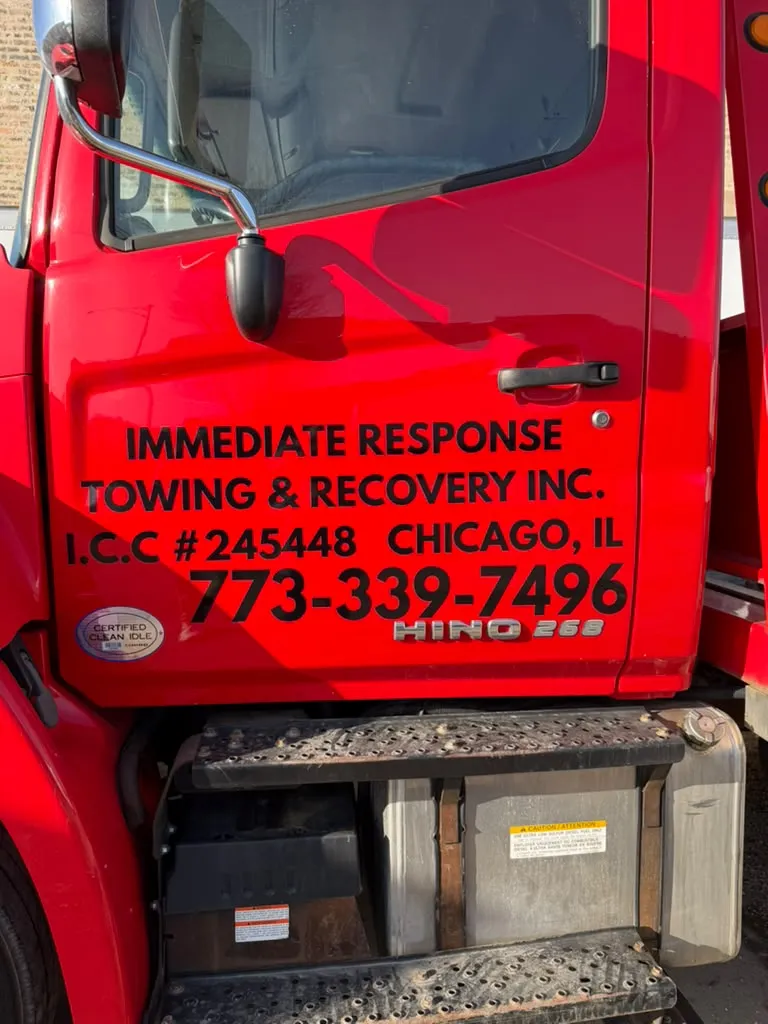
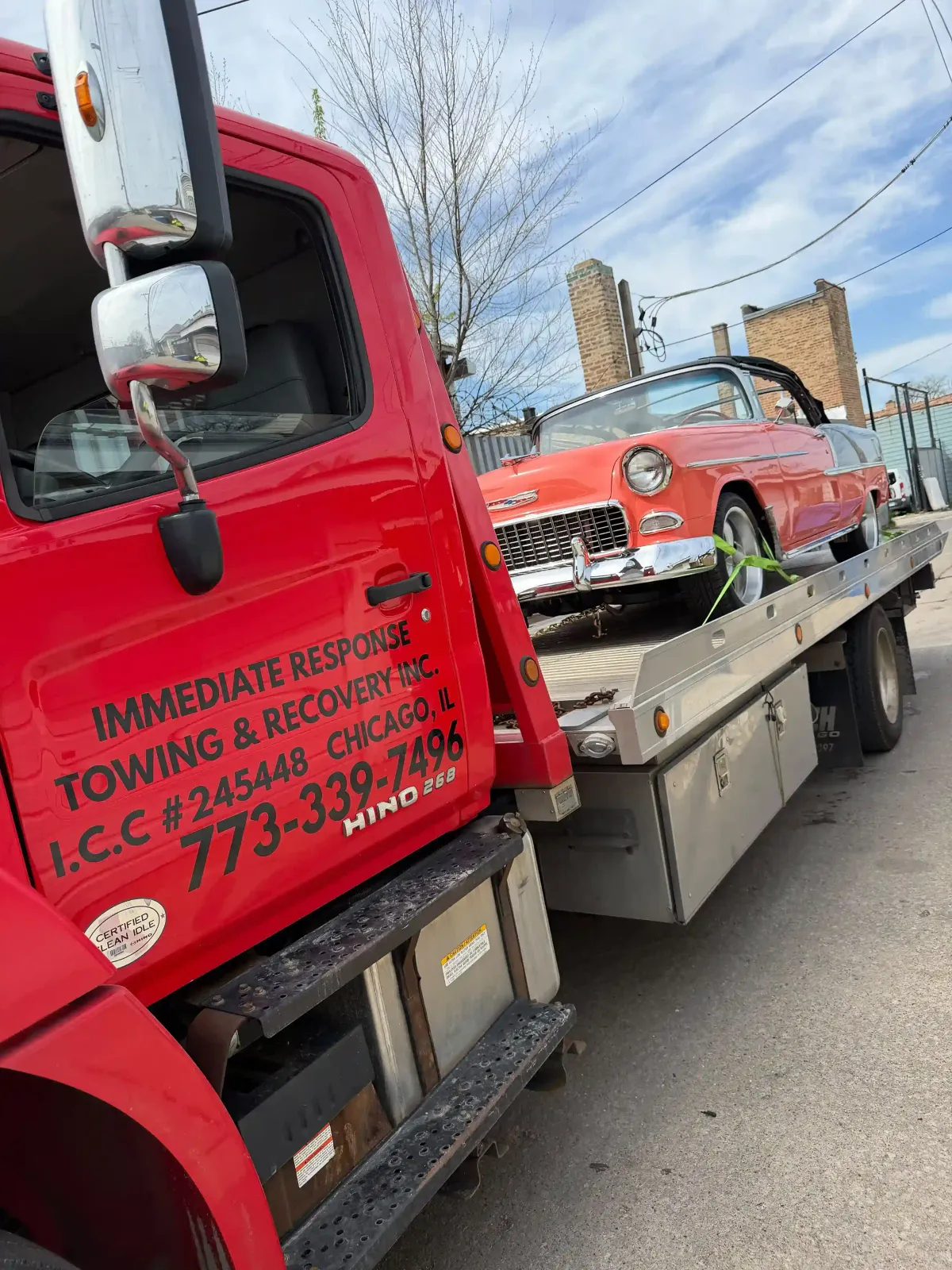
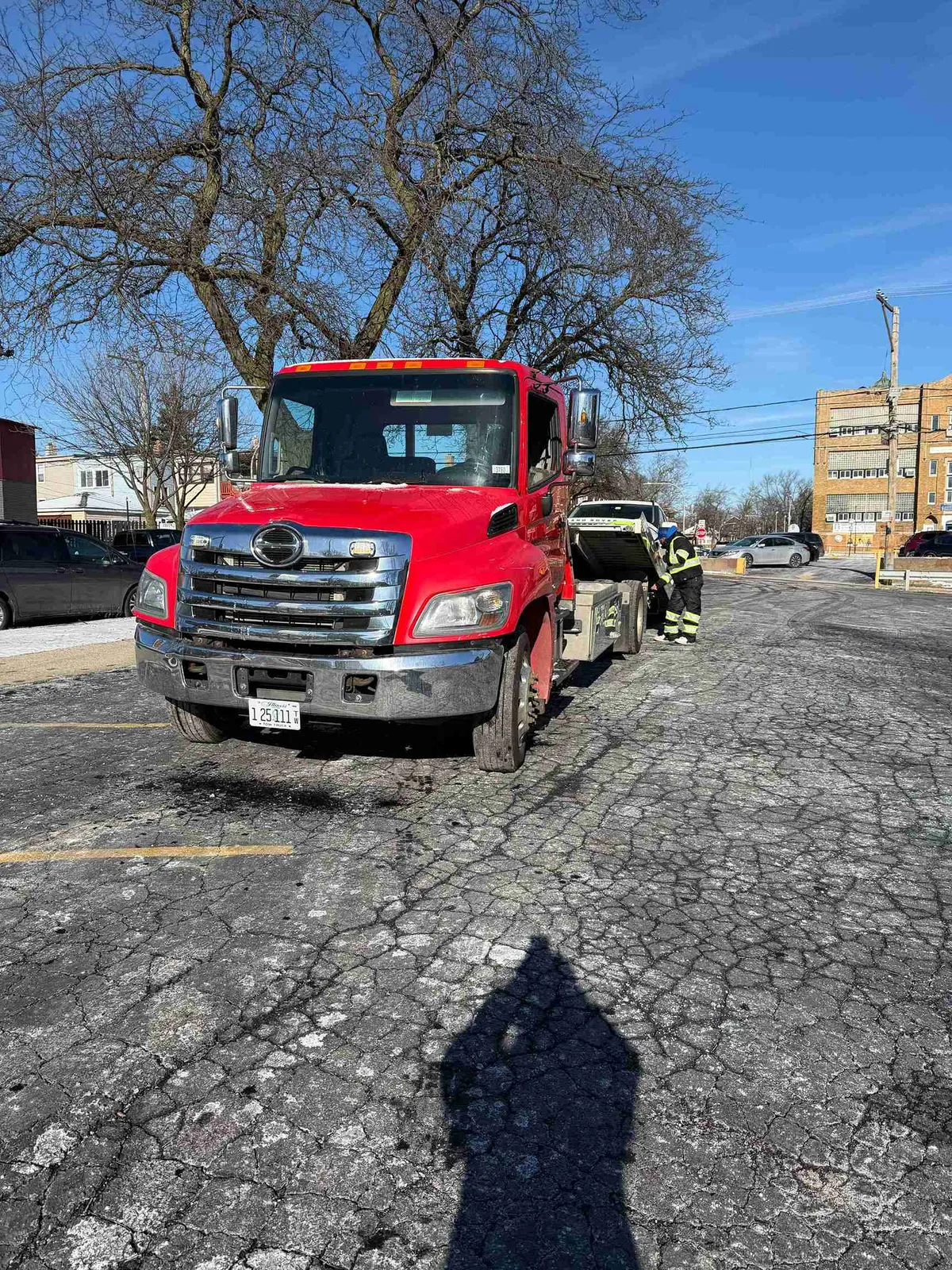
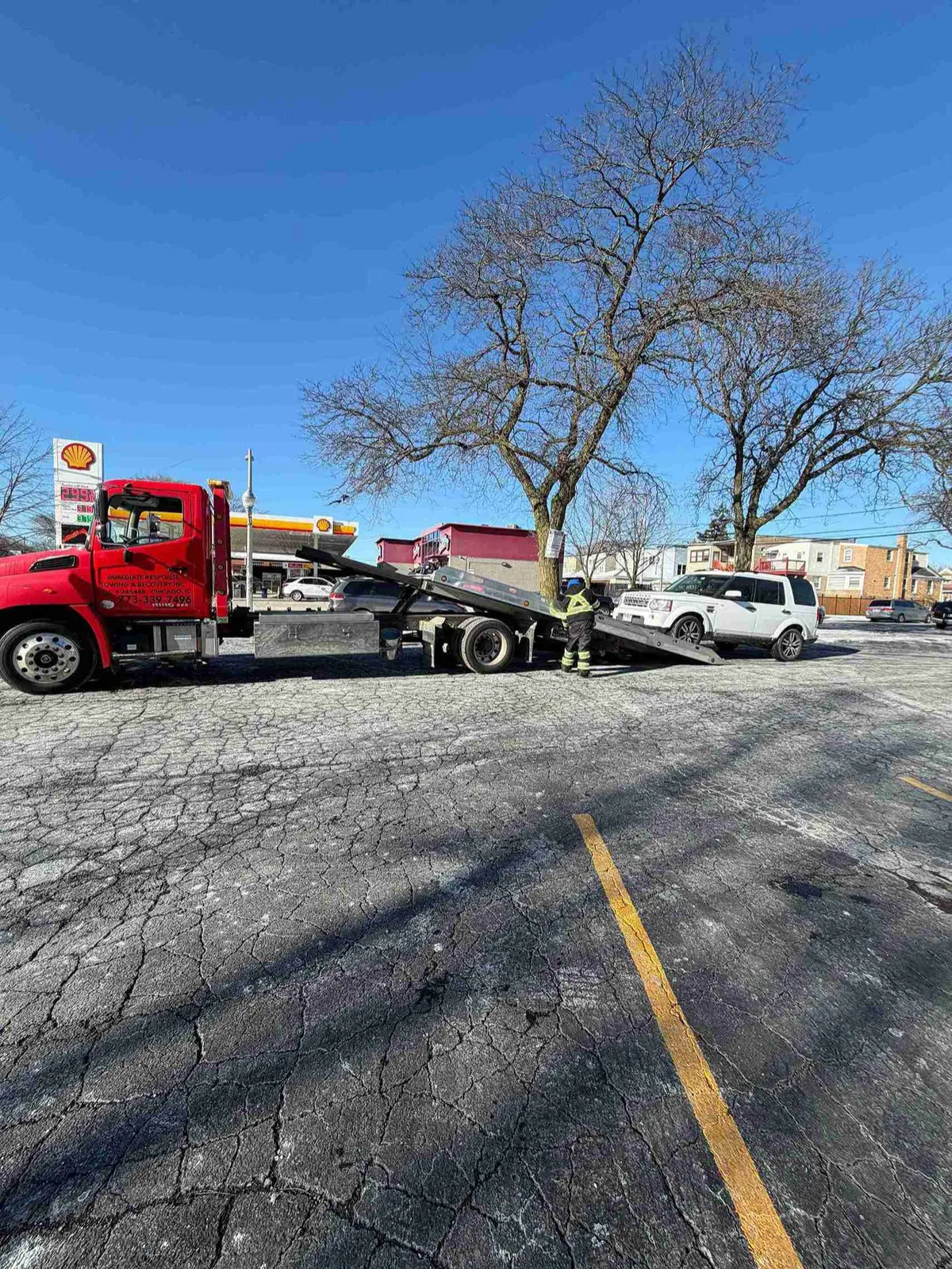
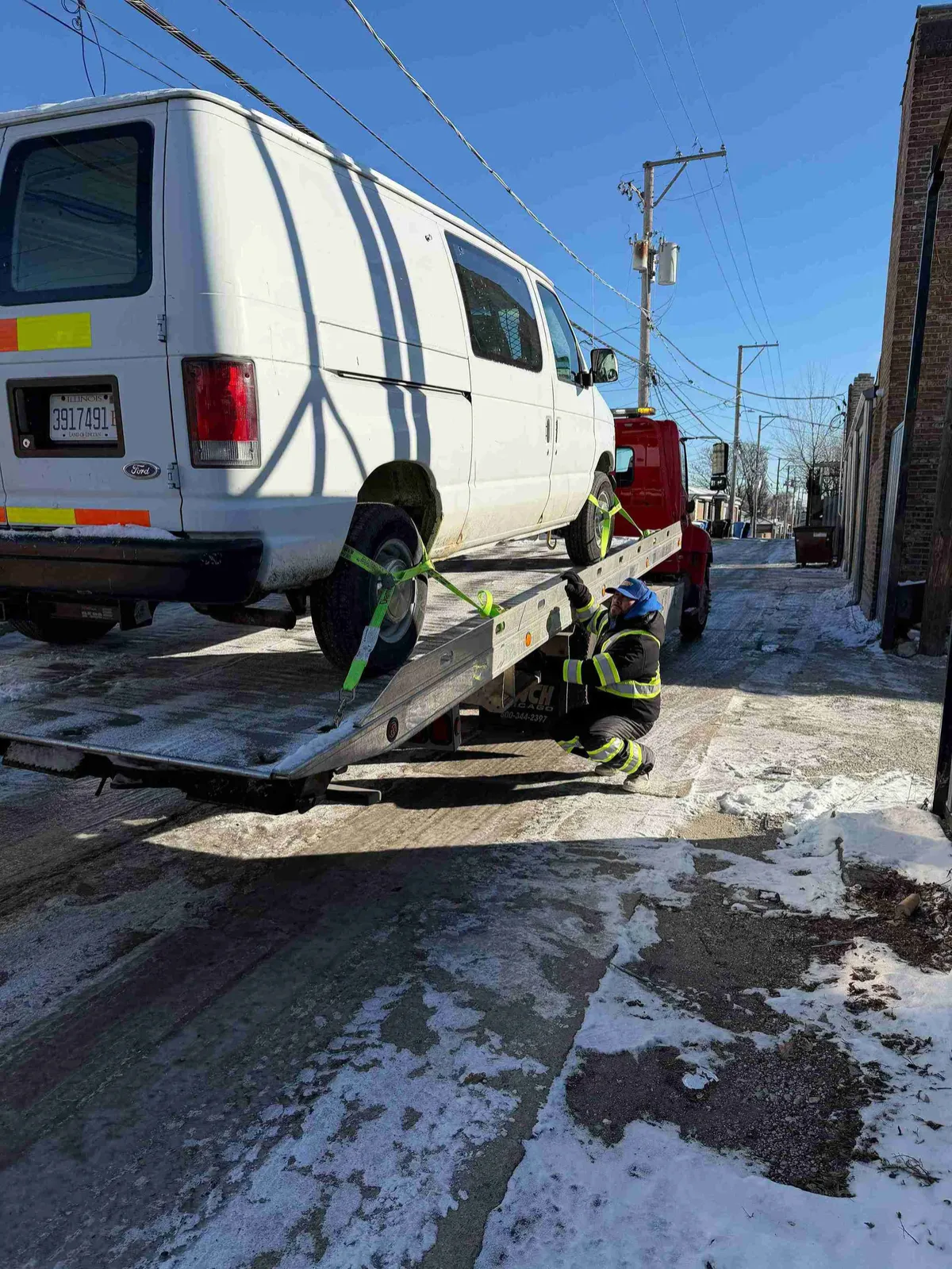
Why Choose Immediate Response Towing for
Semi Truck Towing in Chicago?
Arranging towing for a commercial vehicle involves more than requesting a standard tow truck. Drivers need clear communication, an accurate understanding of the vehicle's condition, and a suitable plan for moving it.
Assistance Based on Your Vehicle's Requirements
Every commercial truck has different towing requirements. Sharing details about the tractor, trailer, vehicle condition, and cargo helps determine what type of assistance may be appropriate.
Clear Communication Before Dispatch
We understand that drivers and fleet managers need to know what happens next. Providing accurate pickup and destination information helps make the service arrangement clearer from the beginning.
Support for Commercial Vehicle Situations
A truck that cannot start, a damaged tractor, or a disabled vehicle at a roadside location may require different arrangements. Explaining the issue in advance helps identify the next step.
Pickup and Destination Coordination
Commercial vehicles may need transportation to a repair facility, fleet yard, dealership, or another approved location. Confirming the destination before dispatch helps avoid unnecessary delays.
Service Estimates and Job Details
Towing costs can vary depending on the vehicle, distance, access conditions, and recovery requirements. Request an estimate based on the actual job rather than relying on a generic price.
Call 872-713-6299 to arrange Semi Truck towing in Chicago.
Semi Truck Towing Solutions for
Different Commercial Vehicle Needs
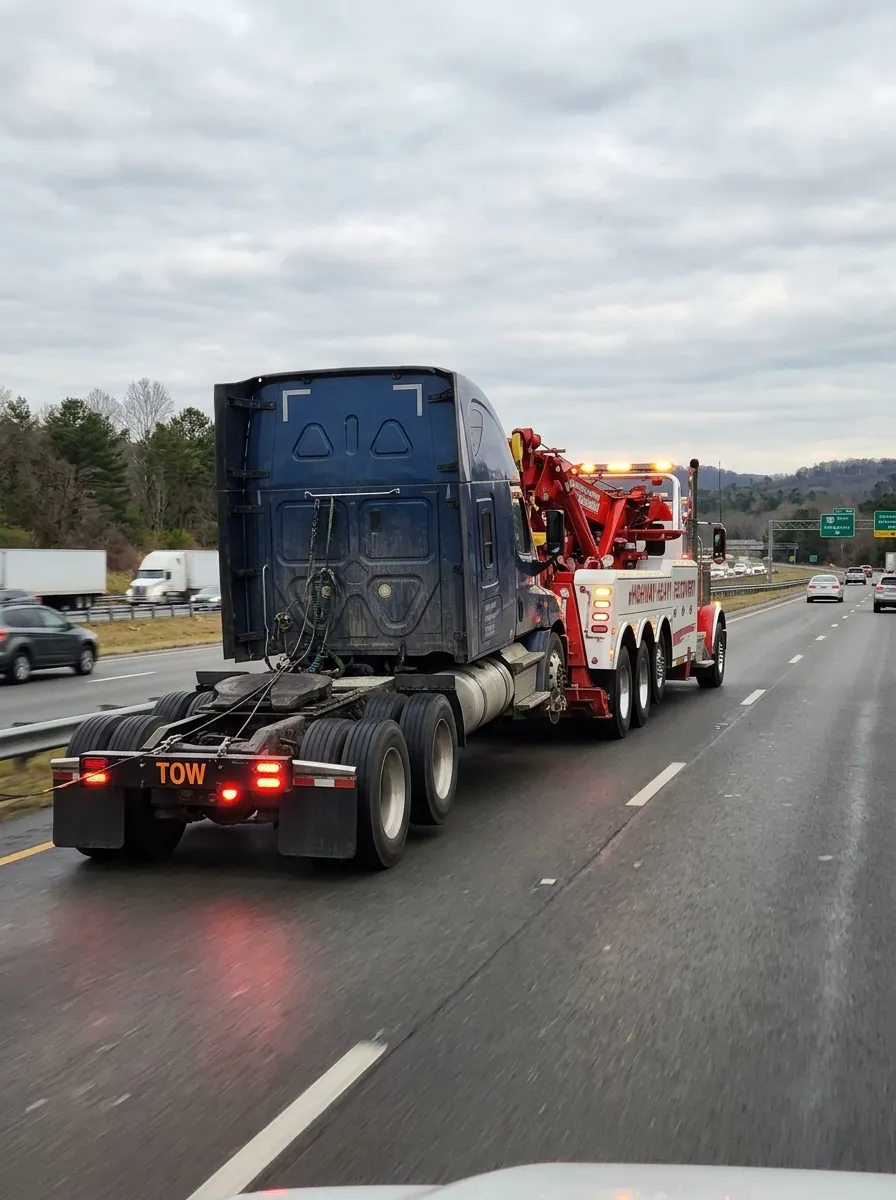
Semi-Truck Towing
A semi-truck that experiences mechanical failure or becomes unsafe to operate may need transportation to a suitable repair facility. The towing arrangement should account for the tractor's weight, drivetrain, condition, and whether a trailer is connected.
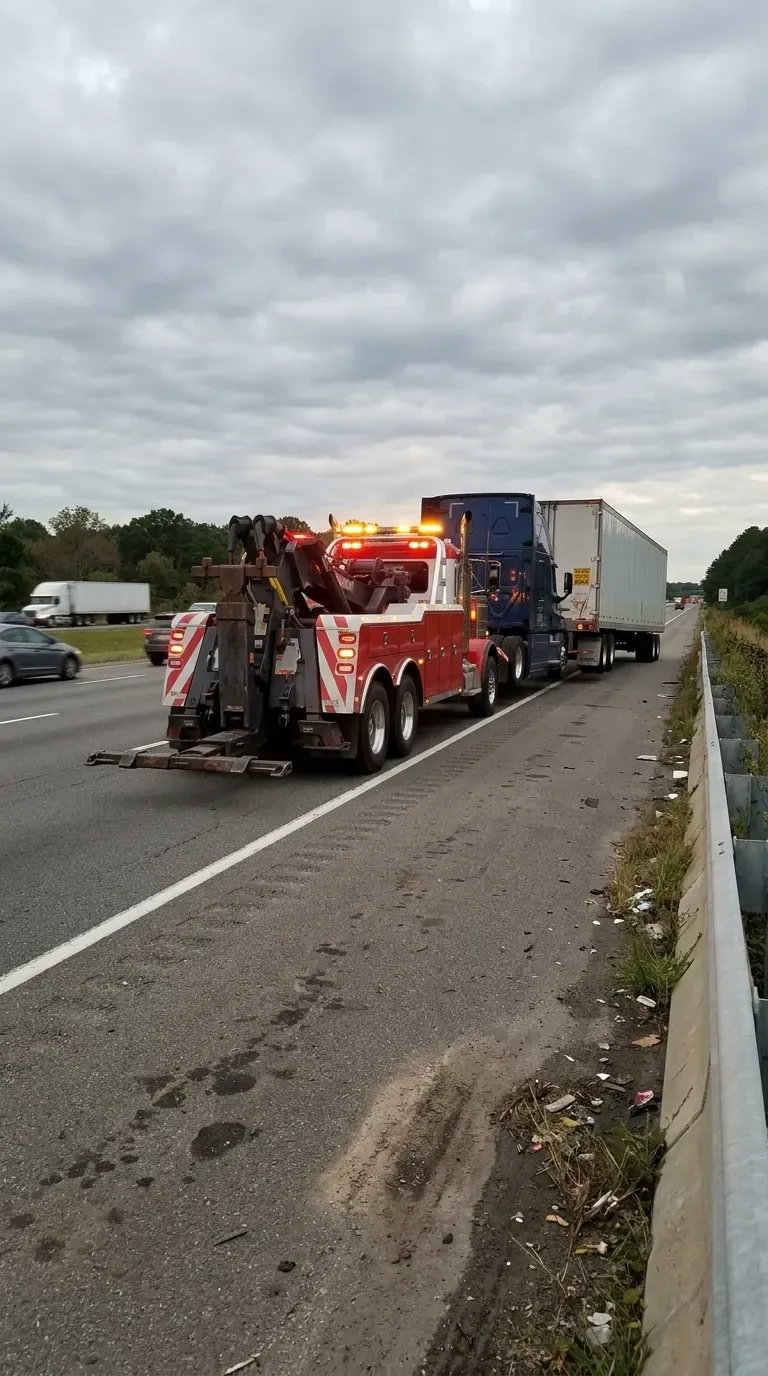
Tractor-Trailer Towing
A tractor and its attached trailer can require a different towing plan from a standalone truck. Trailer dimensions, cargo weight, connection condition, and overall combination length should be assessed before arranging transportation.
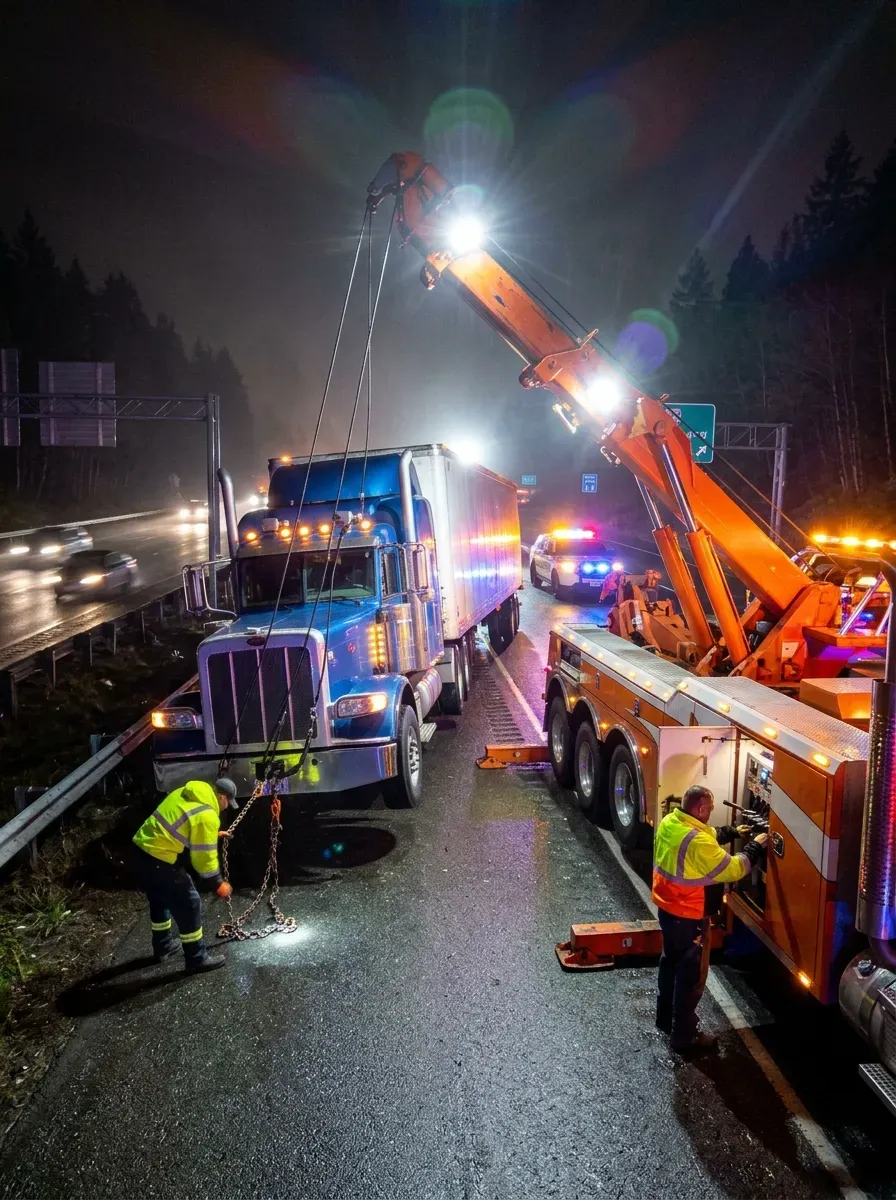
Emergency Commercial Truck Towing
Unexpected breakdowns can happen while drivers are travelling through Chicago or completing commercial deliveries. Emergency towing assistance helps drivers arrange transportation when continuing the journey is not a safe option.
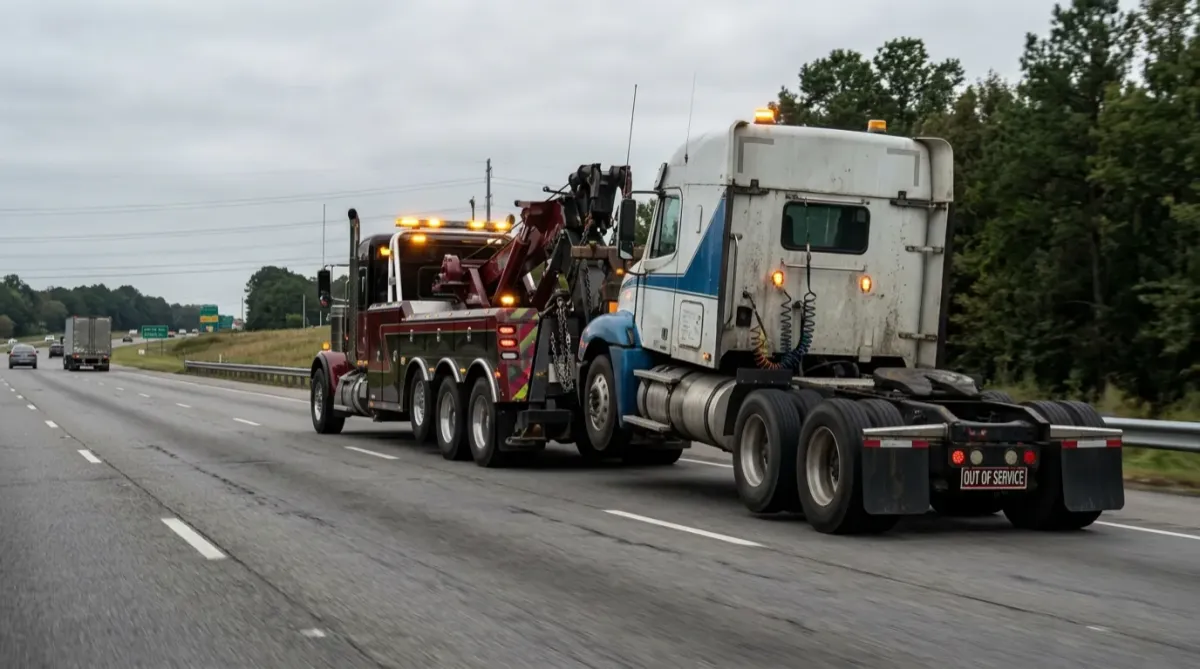
Disabled Truck Transportation
Some trucks can no longer move under their own power because of engine, transmission, steering, or other mechanical problems. Their condition should be communicated clearly so the appropriate transportation method can be considered.
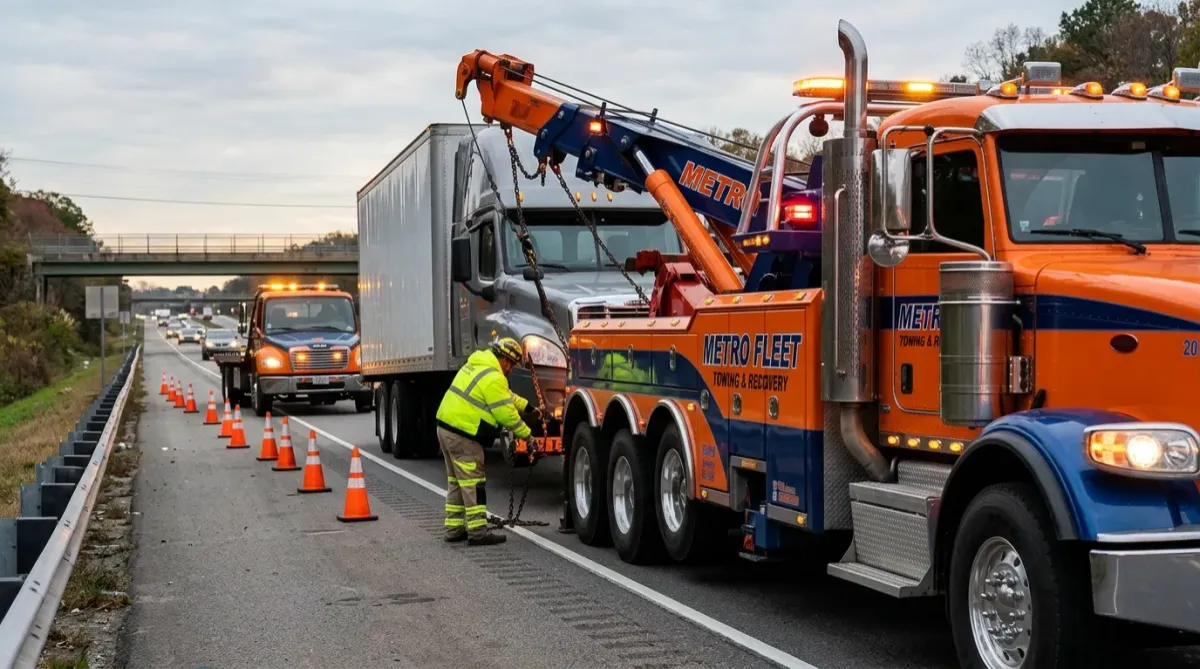
Commercial Fleet Towing
Fleet operators may need to coordinate towing for vehicles operating across different routes and locations. Accurate vehicle details, pickup instructions, and the intended repair destination help simplify communication between drivers and fleet managers.
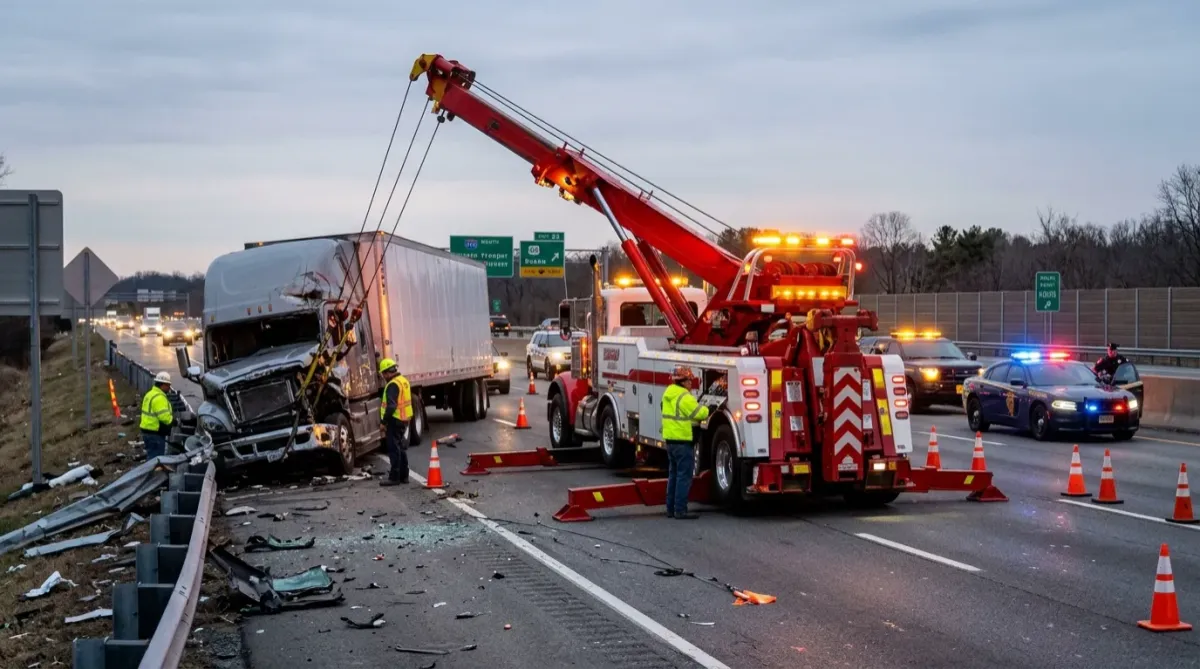
Heavy-Duty Accident Towing
After a collision, a commercial truck may have damaged wheels, suspension, steering, or other components. The vehicle should be assessed before moving, especially if the trailer or cargo has shifted or the truck is obstructing traffic.
How Our Semi Truck Towing Process Works in Chicago
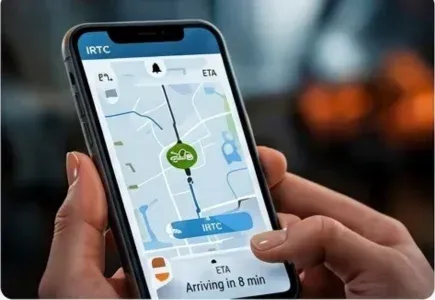
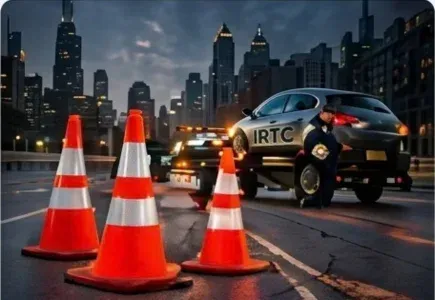
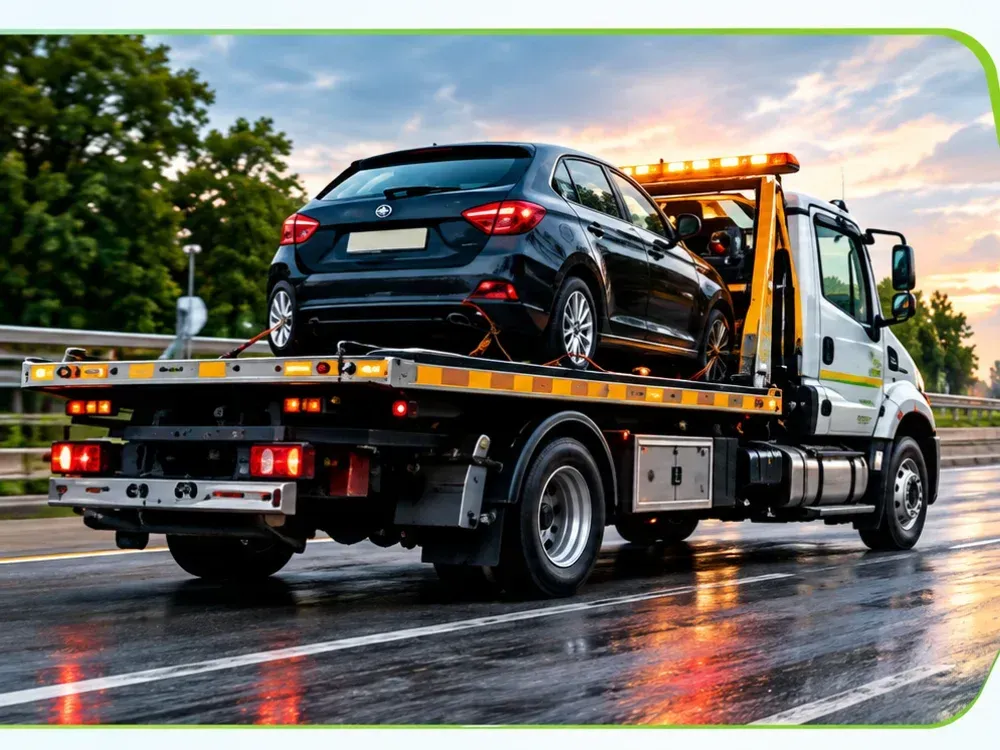
Our semi truck towing process in Chicago starts with understanding your truck's location, vehicle condition, and the type of assistance required. Once you contact our team, we assess the situation, determine the appropriate heavy-duty towing equipment, and arrange dispatch based on availability.





Commercial Trucks and Vehicles That May Require Towing
Commercial vehicles come in different sizes, configurations, and weight classes. Identifying the exact vehicle
helps determine whether the requested towing service is suitable.
Semi-Trucks and 18-Wheelers
Large tractor units used for transporting commercial freight over local and long-distance routes. Their weight and configuration require appropriate heavy-duty towing arrangements.
Tractor-Trailers
Truck-and-trailer combinations used for transporting goods between warehouses, distribution centers, and delivery destinations. The attached trailer and its load must be considered when arranging towing.
Straight Trucks and Box Trucks
Commercial vehicles with a single chassis and an integrated cargo body. They are commonly used for local deliveries, moving services, and business transportation.
Dump Trucks
Work vehicles used on construction sites and for transporting loose materials. Their size, loaded weight, and operating condition affect towing requirements.
Commercial Delivery Trucks
Vehicles used by businesses for transporting packages, equipment, and supplies. A breakdown can interrupt delivery schedules and require transportation to a repair location.
Other Heavy Commercial Vehicles
Some jobs may involve buses, specialized work trucks, or construction vehicles. Towing availability depends on vehicle dimensions, weight, equipment requirements, and the nature of the job.
Semi Truck Towing from Challenging Locations in Chicago
A commercial truck may become disabled in a location where access and maneuvering are difficult. Before arranging towing, it is important to understand the surrounding space, road conditions, and the position of the vehicle.
Semi-Trucks and 18-Wheelers
Large tractor units used for transporting commercial freight over local and long-distance routes. Their weight and configuration require appropriate heavy-duty towing arrangements.
Tractor-Trailers
Truck-and-trailer combinations used for transporting goods between warehouses, distribution centers, and delivery destinations. The attached trailer and its load must be considered when arranging towing.
Straight Trucks and Box Trucks
Commercial vehicles with a single chassis and an integrated cargo body. They are commonly used for local deliveries, moving services, and business transportation.
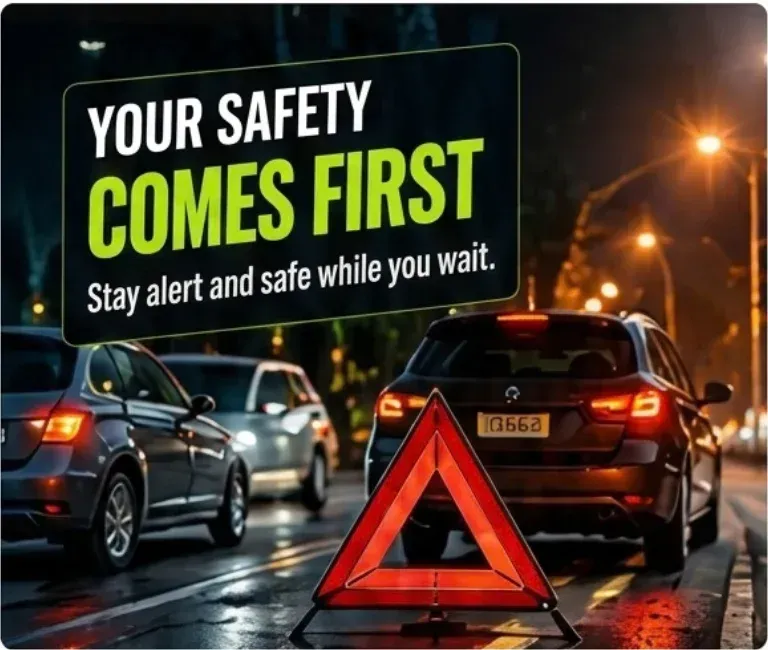
WHAT TO DO WHILE WAITING
SAFETY FIRST
Your physical safety is the priority while stranded on chicago streets or expressways.
Stay in your vehicle
If your vehicle is in a dangerous traffic area, prioritize your safety. When possible, move to a safe location away from moving traffic and follow emergency personnel instructions.

Turn on hazard lights
Activate your hazard lights to make your disabled vehicle more visible to approaching drivers, particularly during nighttime, rain, or poor visibility.
Do not stand
on the shoulder
Do not stand on the shoulder or attempt repairs in traffic lanes; IDOT's Emergency Traffic Patrol ("Minutemen") specifically warns against this on Chicago expressways

On expressways
iIf you are on an expressway (Dan Ryan, Kennedy, Eisenhower, etc.), IDOT's Minutemen may arrive first to clear hazards, but they do not tow; they will help you stay safe until a private tow truck arrives.

Reep doors locked
Keep doors locked and windows up if you feel unsafe; our dispatcher can share the driver's name, truck number, and live ETA for peace of mind

Winter weather
Chicago's expressways see high-speed traffic year-round, and winter weather (December-February) increases breakdown volume by up to 40%, making roadside safety critical.
Semi Truck Towing from Challenging Locations in Chicago
Highway Shoulders and Roadside Areas
A truck that breaks down along a highway may be exposed to passing traffic and limited working space. Its exact position and accessibility should be shared when requesting assistance.
Industrial Facilities and Loading Areas
Warehouses, distribution centers, and commercial yards may have restricted entrances, loading docks, and limited turning space. These conditions can affect how a towing vehicle approaches the disabled truck.
Narrow Access Roads
Construction areas, private roads, and tight commercial entrances can make it difficult to position large towing equipment. Access restrictions should be identified before dispatch.
Soft Ground and Uneven Surfaces
A truck that becomes stuck on mud, gravel, or an uneven surface may need recovery rather than ordinary transportation. The extent of the problem and the vehicle's position determine the appropriate approach.
Bridges and Height Restrictions
A truck stranded near a low-clearance bridge or restricted roadway presents a different type of recovery challenge. Drivers should communicate the exact location and any visible obstruction rather than attempting to move the vehicle themselves.
Important Safety Steps During a Commercial Truck Breakdown
A disabled semi-truck can create a hazardous situation, particularly on busy roads and highways. Your safety and the safety of other road users should come first.
Move the vehicle to a safe location if it can be done without creating additional risk. Switch on the hazard lights and follow applicable roadside safety procedures. If the truck is stopped in a dangerous position, avoid standing near moving traffic or attempting repairs in an unsafe area.
Where appropriate and safe, use warning devices such as reflective triangles according to applicable regulations and your company's safety procedures. Keep a safe distance from damaged components, leaking fluids, smoke, or other potential hazards.
When contacting towing assistance, provide:
Your exact location, including highway direction or nearby exit.
The truck and trailer type, if applicable.
Whether the vehicle is loaded or unloaded.
Any visible damage or mechanical symptoms.
Whether the truck is blocking traffic or positioned in a restricted area.
Do not attempt to move a heavily damaged or unstable truck without an appropriate assessment.
Semi Truck Towing Equipment
Semi truck towing requires specialized heavy-duty equipment designed to handle the weight, size, and configuration of commercial trucks and tractor-trailers. The right equipment depends on whether the truck is disabled, involved in an accident, carrying a trailer, or positioned in a difficult location. Before arranging a tow, the vehicle's condition, weight, axle configuration, and recovery requirements should be assessed to determine the appropriate towing method.
Heavy-Duty Tow Trucks: Heavy-duty wreckers are designed to tow large commercial vehicles, including semi-trucks, tractor units, and certain truck-and-trailer combinations. The towing vehicle must have sufficient capacity for the specific truck and load.
Winch Systems: Heavy-duty winches can help pull disabled trucks onto suitable recovery equipment or move vehicles from difficult positions. The recovery method depends on the truck's condition, ground surface, and available access.
Rotator Recovery Equipment: For complex recoveries involving overturned or severely positioned commercial vehicles, a rotator may be required. Its rotating boom can assist with controlled lifting and repositioning when the job and equipment capacity allow.
Wheel-Lift and Underlift Systems:
These systems support and lift designated parts of a disabled commercial vehicle for towing. The correct attachment points and lifting capacity are essential to avoid additional damage.
Safety Chains and Securing Equipment:
Properly rated chains, straps, and securing components help keep the vehicle stable during loading and transportation. Their selection depends on the vehicle's weight and configuration.
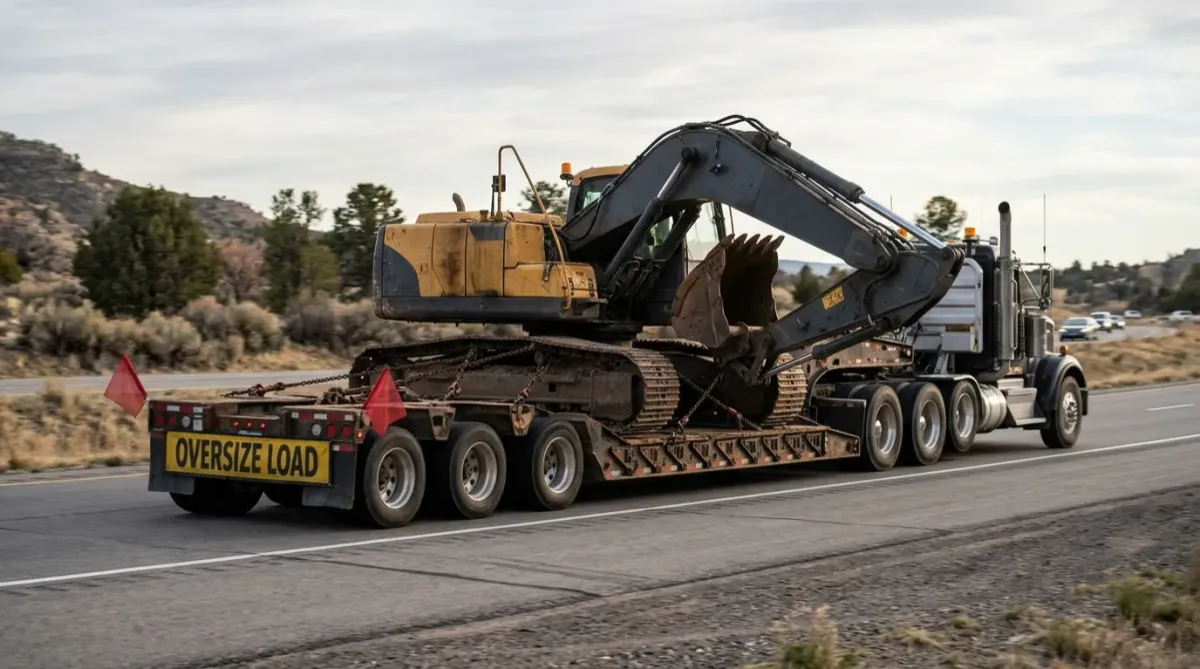
WHICH SHOULD YOU REQUEST?
Choose the right tow truck based on your vehicle and situation
Understanding Semi Truck Towing Requirements
Towing a commercial truck requires a different level of planning than transporting a standard passenger vehicle. Semi-trucks, tractor-trailers, and other commercial vehicles can vary significantly in weight, dimensions, trailer configuration, and cargo load. When arranging semi truck towing in Chicago, these details help determine the type of heavy-duty equipment and recovery arrangements that may be required. Sharing accurate information about your truck's condition, location, and configuration helps our team assess the situation and coordinate suitable towing assistance.
| Commercial Vehicle Type | Towing Consideration | Why It Matters |
|---|---|---|
| Semi-Trucks & Tractors | Truck weight, axle configuration, drivetrain, and mechanical condition | These details help assess the vehicle's towing requirements and determine what type of heavy-duty transport arrangement may be appropriate. |
| Tractor-Trailer Combinations | Overall length, trailer connection, combined weight, and vehicle positioning | An attached trailer changes the dimensions and handling requirements of the combination, making a proper assessment important before transportation. |
| Loaded Commercial Trailers | Cargo weight, load distribution, trailer condition, and stability | Cargo and weight distribution can affect the recovery plan. Information about the load helps identify potential transportation and safety considerations. |
| Bobtail & Tractor-Only Trucks | Whether the tractor is operating independently or without an attached trailer | A tractor without a trailer has different dimensions and transport considerations from a complete tractor-trailer combination. |
| Disabled & Non-Running Trucks | Engine condition, transmission, steering, brakes, and wheel movement | A truck that cannot move under its own power may require additional recovery arrangements. Knowing which systems are affected helps assess the job. |
| Accident-Damaged Commercial Trucks | Damage to wheels, axles, suspension, steering, and trailer connections | Structural or mechanical damage can affect how a commercial vehicle is approached, recovered, secured, and transported from the scene. |
| Commercial Fleet Vehicles | Vehicle identification, pickup location, operating condition, and destination | Accurate fleet and vehicle details help drivers and fleet managers coordinate towing arrangements and communicate the required destination. |
Sevice Area
Areas We Serve Across Chicago
Immediate Response Towing proudly provides reliable towing and roadside assistance throughout Chicago, IL, and surrounding neighborhoods. Whether you need local towing, emergency towing, or vehicle recovery, our team is ready to help wherever you are in the Chicago area. Contact us for prompt assistance near your location.
What a Semi Truck Towing Costs in Chicago — In Plain Numbers
| Semi Truck Towing Service | Typical Cost | Pricing Details |
|---|---|---|
| Local Semi Truck Towing | Quote-Based | Pricing depends on the truck's location, transportation distance, vehicle weight, condition, and the heavy-duty towing equipment required. |
| Long-Distance Semi Truck Towing | Quote-Based | The estimate is based on total mileage, destination, truck configuration, route requirements, and the arrangements needed for long-distance transportation. |
| Tractor-Trailer Towing | Quote-Based | Pricing varies according to the combined vehicle dimensions, trailer attachment, total weight, and whether the tractor and trailer can move independently. |
| Loaded Semi Truck & Trailer Towing | Quote-Based | Cargo weight, load distribution, trailer condition, and overall vehicle weight can affect the towing requirements and final service estimate. |
| Bobtail & Tractor-Only Towing | Quote-Based | The estimate depends on the tractor's weight, mechanical condition, pickup accessibility, transportation distance, and required equipment. |
| Disabled & Non-Running Semi Truck Towing | Quote-Based | Trucks with engine, transmission, steering, brake, or wheel-related problems may require additional recovery arrangements that influence the final quote. |
| Accident-Damaged Commercial Truck Towing | Quote-Based | Pricing depends on the extent of vehicle damage, wheel and axle condition, recovery complexity, loading requirements, and pickup location. |
| Emergency & After-Hours Semi Truck Towing | Quote-Based | The estimate may vary based on dispatch availability, service timing, roadside conditions, vehicle condition, and the equipment or recovery arrangements required. |
Common Situations That Require Semi Truck Towing in Chicago
Not every commercial vehicle problem can be resolved at the roadside. When continuing to drive could create
additional damage or a safety risk, arranging towing may be the more appropriate option.
Engine or Transmission Failure
A truck experiencing major engine or transmission problems may lose the ability to operate reliably. If the vehicle cannot safely continue, transportation to a repair facility may be necessary.
Brake or Steering Problems
Problems affecting braking or steering can make a commercial truck unsafe to operate. Do not continue driving when these systems are not functioning properly.
Tire and Wheel Damage
A severe tire blowout, damaged wheel, or related mechanical problem can leave a truck stranded. The vehicle's condition and location help determine whether roadside assistance or towing is needed.
Collision and Accident Damage
After an accident, a truck may have structural, suspension, or wheel damage that prevents safe movement. Its condition should be assessed before recovery or transportation.
Electrical and Starting Problems
A truck that will not start because of an electrical or starting-system fault may need roadside diagnosis or towing, depending on the issue.
Overheating and Mechanical Warning Signs
Severe overheating, unusual noises, smoke, or fluid leaks can indicate a problem that should not be ignored. Stop in a safe place and seek appropriate assistance.
Why Timely Semi Truck Towing Matters
A vehicle that develops a mechanical issue on the road may not always be safe to drive to the nearest repair shop. Continuing with an overheating engine, damaged tire, steering problem, transmission fault, or accident-related suspension damage can make the situation worse. Even when a car still moves, a warning light or unusual noise may indicate a problem that needs professional attention.
Chicago driving conditions can add further complications. Heavy traffic, road construction, potholes, rain, snow, and icy surfaces can make it harder to control a vehicle that already has a mechanical or tire problem. A car that becomes disabled in an active traffic area also creates a safety concern for its occupants and other road users.
When a vehicle cannot be operated safely, arranging light duty towing provides a way to move it to a repair facility or another suitable destination without continuing the journey under unsafe conditions. Explain the symptoms and vehicle condition when requesting assistance so the appropriate towing arrangement can be considered.
How a Professional Tow Service Reduces Harm
Fast, Coordinated Dispatch
A dedicated 24/7 line 872-713-6299 ensures your call is answered immediately and a truck is assigned without delay
Trained Drivers
Licensed, insured operators know how to secure vehicles safely, use proper equipment, and follow Chicago DOT and IDOT safety protocols

Safety-First On-Scene Protocol
Professional drivers set up cones, lights, and flares before approaching your vehicle, protecting both you and passing traffic
WHAT OUR CUSTOMERS SAY
Semi Truck Towing Chicago – Frequently Asked Questions
What is semi truck towing?
Semi truck towing is the transportation of disabled or damaged commercial tractor units and, where supported, their attached trailers. It requires suitable heavy-duty equipment based on vehicle weight, configuration, and condition.
Can a semi-truck be towed with its trailer attached?
It depends on the tractor-trailer combination, total weight, trailer condition, and available towing equipment. The operator needs these details before confirming whether the combination can be transported together.
How much does semi truck towing cost in Chicago?
The cost depends on distance, vehicle weight, truck configuration, pickup accessibility, condition, and any additional recovery requirements. Contact the service provider with your vehicle and location details for an estimate.
Do I need heavy-duty towing for an 18-wheeler?
An 18-wheeler generally requires towing equipment designed for heavy commercial vehicles. A standard passenger-car tow truck is not suitable for this type of vehicle.
Can a disabled semi-truck be transported to a repair shop?
Yes, when the vehicle and destination can be accommodated by the available towing service. Provide the repair facility's location and details about the truck's condition when requesting assistance.
What information should I provide when requesting semi truck towing?
Share your exact location, truck type, whether a trailer is attached, loaded or unloaded status, visible damage, mechanical symptoms, and intended destination.
Can semi-trucks be towed after an accident?
Accident-damaged semi-trucks may require specialized recovery and transportation arrangements. The vehicle's structural condition, wheel damage, cargo stability, and position should be assessed before moving it.
Can you tow a semi-truck that is stuck in mud?
A truck stuck in mud may require a recovery operation rather than ordinary towing. The ground conditions, vehicle weight, position, and access to the truck affect the recovery plan.
Is semi truck towing different from regular truck towing?
Yes. Semi-trucks and tractor-trailers are significantly larger and heavier than most everyday vehicles. They require appropriate heavy-duty equipment and a towing arrangement that accounts for their configuration.
Can a semi-truck be towed if it cannot start?
A non-starting semi-truck may need transportation if the problem cannot be resolved through roadside assistance. The type of fault and the truck's ability to roll and steer can affect the towing method.
Do you provide semi truck towing outside Chicago?
Service outside Chicago depends on dispatch availability, distance, vehicle type, and equipment requirements. Confirm your exact location before arranging service.
What should I do while waiting for semi truck towing?
Move to a safe area away from traffic, use hazard lights, follow applicable roadside safety procedures, and avoid attempting unsafe repairs. Share your exact location and vehicle details with the towing provider.
Need a Tow Truck? We're Ready to Help!
Don't let a vehicle breakdown ruin your day. Get fast, dependable towing and roadside assistance from Immediate Response Towing Chicago. Our professional team is available 24/7 to help you get back on the road safely.
📞 Call Us Now:
(872) 713-6299
🚨 Availability:
24/7, 365 Days a Year
⚡ Average Response:
15–30 Minutes
📍 Service Area:
Chicago and Surrounding Neighborhoods
Whether you need local towing, emergency roadside assistance, or vehicle recovery, we're just one call away. Get reliable service, fair pricing, and professional help when you need it most.
Immediate Response Towing Chicago — Fast Help. Fair Prices. Reliable Service.
About Immediate Response Towing Chicago — Reliable Towing When You Need It Most
When your vehicle breaks down, you need more than just a tow truck — you need dependable help you can count on. Immediate Response Towing Chicago provides professional towing and roadside assistance throughout Chicago and surrounding communities.
Here's what makes our towing service a dependable choice:
✓ 24/7 emergency towing and roadside assistance, 365 days a year
✓ Advertised average response time of 15–30 minutes
✓ Light-duty, medium-duty, and heavy-duty towing solutions
✓ Flatbed towing and professional vehicle recovery
✓ Jump-starts, flat tire assistance, fuel delivery, and lockout services
✓ Professional operators and properly equipped tow trucks
✓ Upfront pricing with no hidden fees
From unexpected breakdowns and roadside emergencies to local towing and vehicle recovery, we're here to help you get moving again. We proudly serve Chicago, Evanston, Skokie, Cicero, Oak Lawn, and surrounding areas.
Don't stay stranded when help is just one call away. Contact Immediate Response Towing Chicago today.
Call Now:
(872) 713-6299
Immediate Response Towing Chicago — Fast Help. Fair Prices. Reliable Service.
WHAT OUR CUSTOMERS SAY
PROUDLY SERVING
CHICAGO &
SURROUNDING AREAS
From downtown to the suburbs,
we've got you covered.

Chicago
Evanston
Skokie
Cicero
Oak Lawn
and more!
PROUDLY SERVING
CHICAGO AND SURROUNDING AREAS
From downtown to the suburbs,
we've got you covered.

Chicago
Evanston
Skokie
Cicero
Oak Lawn
and more!
DON'T WAIT.
JUST CALL.
Fast help is closer than you think.
872-713-6299
24/7 Emergency Service

OUR AVERAGE
RESPONSE TIME
DON'T WAIT .JUST CALL.
Fast help is closer than you think.

872-713-6299
24/7 Emergency Service
OUR AVERAGE RESPONSE TIME




SERVICES
All Towing Services
Roadside Assistance
Junk Cars For Cash
Local & Lond Distance Towing
Accident Recovery
CONTACT US



SERVICES
All Towing Services
Roadside Assistance
Junk Cars For Cash
Local & Long Distance Towing
Accident Recovery